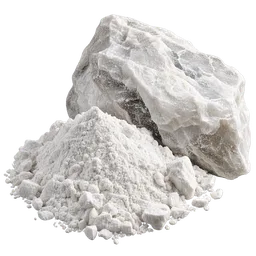
Calcium
Best for
Build bone density
Proven strong benefit 250–3320 mg/day 19–104 weeks 3 meta-analyses, n=6k #1 of 14 studied
- 50 papers
- 9 of 77 outcomes
- 8 positive
- 7 severe, 5 major interactions
Calcium provides a proven strong benefit for preserving hip and spine bone density and improving pregnancy blood-pressure outcomes, while fracture prevention remains more modest in the populations studied.
Median effective dose, most-studied outcomes
- Maintain bone density 1,375 mg 21–104 wk
- Support steady height gain 857 mg 48–55 wk
- Build bone mineral stores 750 mg 21 wk
Risk, worst reported severity
- hypocalcemia severe
- cardiovascular events severe
- esomeprazole major
- hydrochlorothiazide major
What calcium actually does
Healthy blood pressure lowers the risk of pregnancy-related high blood pressure disorders for the pregnant person and baby. 23958407 · 24004887 · 33302116 +3
Preeclampsia is a pregnancy complication involving high blood pressure and organ stress. 30277579 · 30696573 · 35111797
Cavities form when tooth decay breaks down enamel, the hard outer layer of a tooth. 23112475 · 30277579 · 34780069 +1
Bone turnover replaces old bone with new bone to maintain the skeleton over time. 25511814
| Outcome | Effect | Evidence | Dose | Time | Rank |
|---|---|---|---|---|---|
| Strong benefits 4 | |||||
| Manage blood pressure during pregnancy Proven strong benefit Healthy blood pressure lowers the risk of pregnancy-related high blood pressure disorders for the pregnant person and baby. | | 2 meta-analyses 6 papers · n=17k | 0.5–2 g | 12–26 wk | #1 /3 |
| Lower preeclampsia risk in pregnancy Likely strong benefit Preeclampsia is a pregnancy complication involving high blood pressure and organ stress. | | 2 meta-analyses 3 papers · n=16k | 0.5–1.5 g | 20 wk | #1 /4 |
| Build bone density Proven strong benefit Bone density reflects the mineral that helps bones bear weight and resist breaking. | | 3 meta-analyses 7 papers · n=6.0k | 250–3320 mg | 19–104 wk | #1 /14 |
| Build bone mineral in children Likely strong benefit Bone mineral helps children build a strong skeleton as they grow. | | 1 meta-analysis 2 papers · n=728 | 807–850 mg | 48 wk | #1 /2 |
| Modest benefits 2 | |||||
| Lower fracture risk Proven but unnoticeable Fractures can limit mobility and independence, especially after a fall. | | 3 meta-analyses 3 papers · n=91k | 500–1600 mg | — | #3 /5 |
| Support height growth in children Proven but unnoticeable Height growth reflects how children grow in length and stature as they develop. | | 2 meta-analyses 5 papers · n=2.6k | 600–2000 mg | 48–55 wk | #2 /6 |
| Early research 3 | |||||
| Fewer cavities Barely detectable Cavities form when tooth decay breaks down enamel, the hard outer layer of a tooth. | | 2 meta-analyses 4 papers · n=195 | 1000 mg | — | #4 /11 |
| Balance bone turnover Not enough research Bone turnover replaces old bone with new bone to maintain the skeleton over time. | | 2 RCTs 1 papers · n=— | 1200–1800 mg | 52 wk | — |
| Balance phosphorus and other minerals Not enough research Kidneys help keep phosphorus, calcium, and related hormones in balance for bones and blood vessels. | | 1 meta-analysis 4 papers · n=— | 500–1800 mg | 10–104 wk | — |
Effect tiers come from native-unit MCID where available, Cohen's d otherwise.
Dose, timing & forms
How much
For bone density, trials tested 250 to 3,320 mg/day of supplemental calcium, with the central pattern landing around 1,200 to 1,400 mg/day in longer protocols. 1 The useful target is total calcium from food plus supplements, not automatically the highest-dose pill. Fracture outcomes were smaller than the bone-density effect, even in studies using 500 to 1,600 mg/day, so extra calcium is not a shortcut to unbreakable bones. 1 In pregnancy studies among people with low calcium intake, protocols commonly used 0.5 to 2 g/day under prenatal supervision. 2
When and how long
Calcium works as a daily habit, not an occasional rescue. Bone trials generally ran for about 21 to 104 weeks, and childhood bone studies ran for roughly a year, which fits the slow pace of skeletal remodeling. 1 3 If your supplement provides a larger amount, splitting it between meals is often easier on the gut and avoids putting all of it in one dose. Calcium carbonate is best taken with a meal, while calcium citrate offers more flexibility. 4
Forms & standardisation
Look first for the amount of elemental calcium on the Supplement Facts panel. That number, not the larger weight of calcium carbonate or calcium citrate, tells you how much calcium the serving supplies. 4 Calcium carbonate is compact and common, while calcium citrate is useful when stomach acid is reduced or carbonate causes digestive discomfort. 4 Unlike herbal products, calcium does not rely on an extract ratio or active-compound standardization.
Studied range, by outcome
| Outcome | Studied range | Median effective | Duration | Evidence |
|---|---|---|---|---|
| Maintain bone density | 250–3,320 mg | 1,375 mg | 21–104 wk | 6 papers 19 sig. endpoints |
| Support steady height gain | 600–2,000 mg | 857 mg | 48–55 wk | 5 papers 1 sig. endpoint |
| Build bone mineral stores | 300–1,300 mg | 750 mg | 21 wk | 3 papers 1 sig. endpoint |
| Lower fracture risk | 500–1,600 mg | 1,050 mg | — | 3 papers 2 sig. endpoints |
| Protect your spinal bones | 250–3,320 mg | 1,375 mg | 19–104 wk | 3 papers 4 sig. endpoints |
| Reduce new cavities | 1,000 mg | 1,000 mg | — | 3 papers 1 sig. endpoint |
| Lower pregnancy blood pressure risks | 1–1.5 g | 1.373 g | 20 wk | 3 papers 4 sig. endpoints |
| Reduce preeclampsia risk | 500–1,000 mg | 750 mg | 20 wk | 3 papers 4 sig. endpoints |
| Build a stronger childhood skeleton | 807–850 mg | 828.5 mg | 48 wk | 2 papers 5 sig. endpoints |
| Slow excessive bone resorption | 1,200 mg | 1,200 mg | — | 1 paper 23 sig. endpoints |
| Protect forearm bones | 250–3,320 mg | 1,375 mg | 52–104 wk | 1 paper 3 sig. endpoints |
| Build new bone more quickly | 1,200 mg | — | — | 1 paper |
| Reduce forearm fracture risk | 500–1,600 mg | — | — | 1 paper |
| Reduce phosphate loss | 500 mg | — | 10 wk | 1 paper |
Adverse events and drug interactions
Safety events
Drug interactions
Recommended Calcium products
Real products that dose Calcium where the research does, in a clean formulation, from brands we've audited. We only list ones we'd stand behind.
-

NOW
Calcium Carbonate Pure Powder
Well dosed 600 mg/day A formulaBrand audit 87/100
-

NOW
Calcium Citrate Pure Powder
Well dosed 600 mg/day A formulaBrand audit 87/100
-

21st Century
600 Calcium Supplement
Well dosed 1,200 mg/day A formulaBrand audit 77/100
-

SuperSmart
Calcium D-Glucarate
Well dosed 1,500 mg/day A formulaBrand audit 63/100
-

Solaray
Vitamin C Powder 5000 mg
Well dosed 610 mg/day A formulaBrand audit 76/100
-

Nutricost
Calcium Ascorbate 1 g
Well dosed 1,000 mg/day A formulaBrand audit 57/100
Chosen for adequate Calcium dosing vs. the studied range, a clean formulation (grade A–C), and independent brand-quality audits. Not sponsored.
What this is and how it works
- Seven studies (n=6,009) support hip and spine bone-density gains; six studies (n=17,410) support steadier pregnancy blood pressure.1
- The review covers 50 papers and 77 outcomes, spanning bone health, pregnancy, and other calcium-related measures.
- Benefits depend on population and dietary intake; high-dose calcium warrants clinical guidance for people with kidney or calcium disorders.4
Calcium is a mineral your body uses as building material for bones and teeth, while a small amount circulates in your blood to keep muscles, nerves, and blood vessels working. Your body guards blood calcium tightly, so when food falls short it can draw from bone reserves. Dairy foods, fortified foods, canned fish with bones, tofu made with calcium, and supplements all contribute to total intake. 4
Your skeleton acts like a calcium bank: when blood needs calcium for nerve signals or muscle contraction, the body can withdraw it from bone, and adequate intake reduces pressure to make those withdrawals. 4 In bone-density trials, sustained calcium intake supported mineral retention over many months, rather than creating a rapid, noticeable change. 1 During pregnancy in low-intake populations, calcium intake also influences the blood-vessel and hormone systems that regulate blood pressure. 2
Bottom line
Calcium is most worth considering if food intake falls short, bone density is a concern, or prenatal care identifies low calcium intake. It has strong evidence for preserving bone density and for improving pregnancy blood pressure outcomes in the populations studied, but its fracture effect is modest. 1 2 Skip self-prescribing high doses if you have kidney stones, kidney disease, high blood calcium, or medicines that interact with calcium. Discuss it with a clinician first. 4
Co-studied with

Common questions
Does calcium actually improve bone density?
How much calcium should I take for bone health?
Does calcium lower preeclampsia risk?
Is calcium citrate or calcium carbonate better?
Sources
Sources
- 1. Use of calcium or calcium in combination with vitamin D supplementation to prevent fractures and bone loss in people aged 50 years and older: a meta-analysis (2007) ↑
- 2. Calcium supplementation during pregnancy for preventing hypertensive disorders and related problems (2018) ↑
- 3. Effects of calcium supplementation on bone density in healthy children: meta-analysis of randomised controlled trials (2006) ↑
- 4. Calcium: Fact Sheet for Health Professionals (2025)
Generated August 27, 2026
Related
More evidence for Calcium
Evidence guide
Calcium
NewStone, Fire, and a Food That Fortified a Continent: The Real Story of Calcium
Evidence guide
May 24, 2026
Ranking
Hypertensive Disorders of Pregnancy
NewBest Supplements to Lower Blood Pressure in Pregnancy (2026)
Evidence ranking
May 18, 2026
Ranking
High Blood Pressure
NewBest Supplements for Blood Pressure, Ranked by Clinical Evidence
Evidence ranking
Apr 4, 2026
Ingredient evidence
Ingredient evidence
NewVitamin D
All scored outcomes
Aug 27, 2026
Ingredient evidence
Ingredient evidence
NewVitamin K
All scored outcomes
Aug 27, 2026