Green Tea
81 studies read · 2 answers · 4 sources
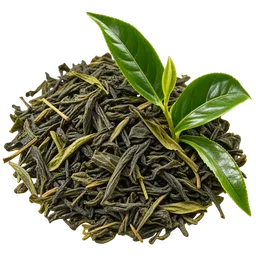
Green tea provides a proven strong benefit for reducing weight in adults, while evidence across its broader outcome range is less established.
What it does
Modest benefits
-
Lower blood cholesterol · Probably barely helps
Blood cholesterol, especially excess LDL, can contribute to plaque buildup in artery walls and raise heart risk.
6 trials · 3,428 people · 1 review · noticed in 3–52 weeks
Doesn't appear to help
-
Lose weight · May not help
Lower weight and less body fat can change how clothes fit and how easily everyday movement feels.
8 trials · at least 3,485 people · 2 reviews · noticed in 6–52 weeks
How to take it
Green tea extract makes the most sense for an adult who wants a modest, evidence-backed addition to a sustainable weight-management plan and can use caffeine comfortably. Do not treat it as a shortcut, and do not chase high-dose extracts for waist loss, where evidence remains early and effects are small.2,3 Skip self-starting concentrated extracts if you use warfarin or have liver concerns, and check with a clinician about any prescription medicines because the interaction and safety stakes are real.4
How much
For weight outcomes, oral green tea preparations in the reviewed trials ranged from 99 to 1,970 mg/day across 6 to 52 weeks, with many effective protocols clustering around roughly 440 to 650 mg/day. The strongest weight-loss finding comes from repeated daily use over weeks, not from a one-off dose before exercise.2,3 Studies exploring body fat and waist changes used overlapping but highly variable doses, and the body-fat change itself was trivial, so higher dosing does not promise a visibly better result.2,3
When
Take it consistently each day for the full trial-like time frame, and judge results after about 12 weeks rather than after a few days. Research does not establish one superior clock time. If your product contains caffeine, earlier use suits most people better than late-day use so it does not disrupt sleep, which can work against weight goals.1,2 Avoid taking concentrated catechin extracts on an empty stomach, since food changes exposure and fasting use raises safety concerns.4
Which form
Weight research most often uses standardized green tea extracts, not an unspecified powdered leaf product. Look for a label that names total catechins and EGCG, plus caffeine content, because these are the parts most tied to the studied metabolic effect.1 More concentrated is not automatically better: high-dose catechin extracts have a different safety profile from brewed tea.4
The dose that worked, by measure (6)
- Move toward a healthier weight
- 439.5 mg6–52 weeks
- Weight relative to height
- 649.75 mg6–52 weeks
- Reduce central adiposity
- 1,090 mg6–52 weeks
- Support overall antioxidant capacity
- 2,490 mg12–78 weeks
- Use more fat as fuel
- 500 mg<1 weeks
- Reduce total body fat
- 799.5 mg12 weeks
Who should be careful
Medicines it can clash with
- warfarin major
- quetiapine major
- doxorubicin major
- bortezomib major
- irinotecan major
- sunitinib major
- 5-fluorouracil major
- nadolol major
- digoxin major
- arsenic trioxide major
Reported side effects
- hepatotoxicity severe
- gastrointestinal haemorrhage severe
- anemia severe
- thrombosis severe
- renal tubular necrosis severe
- respiratory distress severe
- hepatic necrosis severe
- nausea severe
Bottles worth buying
Dosed where the research is, in a clean formula, from audited brands. Not sponsored.
-

Green Tea Extract 500 mg
NutraBio · 500 mg a day · brand audit 90
-

Kenyan Green Tea Crystals
Life Extension · 1,000 mg a day · brand audit 90
-

Green Tea Extract 500 Milligrams
NutraBio · 500 mg a day · brand audit 90
-

Green Tea Extract
Nootropics Depot · 500 mg a day · brand audit 87
-

Green Tea Extract
Pure Encapsulations · 400 mg a day · brand audit 78
-

Green Tea Liquid Extract Alcohol & Sugar Free
Swanson · 4 Gram(s) a day · brand audit 69
How it works
Green tea is not a fat-loss cheat code, but the evidence shows it can give steady habits a real, modest push.
Green tea comes from the leaves of Camellia sinensis, the same plant behind black and oolong tea. Because the leaves receive less oxidation after harvest, green tea retains high levels of catechins, including epigallocatechin gallate, usually called EGCG. Supplements concentrate these compounds far beyond what you get from a casual cup of tea.4
Green tea catechins slow catechol-O-methyltransferase, an enzyme that clears norepinephrine, while caffeine adds a second signal. Think of it as briefly keeping the body's fuel-use accelerator pressed instead of letting it spring back right away, which raises energy use and fat oxidation in controlled settings.1 This biology explains why researchers see a weight signal, but it does not override calorie intake, activity, sleep, or the large differences in individual response.2,3
Studied alongside
Common questions
Does green tea actually help with weight loss?
Is green tea extract better than drinking green tea?
How long does green tea take to affect weight?
Can I take green tea extract with warfarin?
Sources
- 1. Efficacy of a green tea extract rich in catechin polyphenols and caffeine in increasing 24-h energy expenditure and fat oxidation in humans (1999)
- 2. The effects of green tea on weight loss and weight maintenance: a meta-analysis (2009)
- 3. Green tea for weight loss and weight maintenance in overweight or obese adults (2012)
- 4. Scientific opinion on the safety of green tea catechins (2018)