Best Supplements to Stay Asleep Through the Night
26 supplements · 3 outcomes · 48 trials
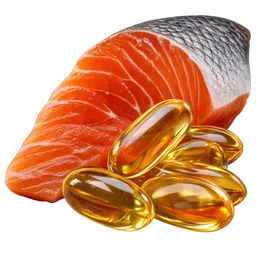
Our #1 pick
The quiet overachiever that improves sleep efficiency without anyone expecting it to
A 2024 meta-analysis pooling 19 RCTs found omega-3 supplementation significantly improved sleep efficiency and reduced time spent awake during the night, with stronger effects at doses above 600 mg/day 2. In a 12-week trial of middle-aged adults with poor sleep, 860 mg/day of DHA and EPA improved objective sleep efficiency measured by actigraphy and reduced dream-disrupted sleep 1. A separate 26-week RCT in healthy young adults found that DHA-rich oil reduced sleep fragmentation and shortened sleep onset 3. The effects are consistently small but reliable across studies.
Falling asleep is only half the battle. If you regularly wake at 2 AM and lie there for an hour, or if your sleep breaks into fragments that never add up to feeling rested, the problem is sleep maintenance, not sleep onset. That distinction matters because the supplements that help you fall asleep faster (melatonin is the obvious one) don't always help you stay asleep.
This guide focuses specifically on staying asleep: fewer awakenings, more continuous hours of genuine rest, and better sleep efficiency (the ratio of time asleep to time in bed). We pulled evidence from 48 randomized trials, prioritized objective measurements like actigraphy and polysomnography over questionnaires wherever possible, and ranked 10 supplements by what the data actually shows for sleep maintenance outcomes.
#1 deep dive
Why Omega-3 takes the top spot
How it works
Omega-3 fatty acids, particularly DHA, are incorporated into neuronal cell membranes where they influence serotonin and melatonin signaling pathways 3. DHA also reduces systemic inflammation that can disrupt sleep architecture, and it may improve the fluidity of cell membranes in brain regions that regulate circadian rhythms 2.
Best for
People who already take fish oil for heart or brain health and want a mild sleep-quality bonus. Also useful for those whose sleep problems are subtle (low efficiency, restlessness) rather than dramatic (can't fall asleep at all).
Watch out
High-dose fish oil (above 3 g/day) can thin the blood. If you take anticoagulants, discuss dosing with your doctor. At sleep-relevant doses of around 1 g/day, this is rarely a concern.
Pro tip
Take with dinner rather than at bedtime. The fats absorb better with a meal, and there is no acute sedative effect to time around sleep.
Evidence by outcome
Helps you stay asleep with fewer or shorter wake-ups during the night.
Helps turn time in bed into real sleep instead of tossing and lying awake.
Melatonin
Proven benefit
The most-studied sleep supplement, with 17 trials behind its sleep efficiency data alone
Melatonin has the deepest evidence base of any sleep supplement. A foundational 2013 meta-analysis of 19 RCTs found it reliably shortened sleep onset and modestly increased total sleep time 11. For sleep efficiency specifically, 17 trials totaling over 1,500 participants show a consistent improvement 121316. Where melatonin is less convincing is night awakenings: pooled data from 8 trials shows mixed results, with some populations benefiting and others seeing no change 46. Controlled-release formulations may work better for maintenance than immediate-release 513.
Full breakdown
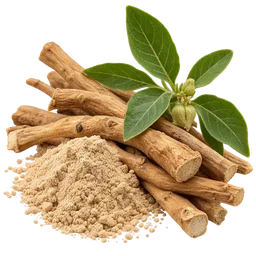
Ashwagandha
Likely helps
Lowers the stress that wakes you up, not the kind of sleep aid that knocks you out
A 2021 meta-analysis of five RCTs found ashwagandha significantly improved overall sleep, with larger effects at doses of 600 mg and above and durations of 8 weeks or longer 20. The standout trial used actigraphy (wrist-worn sleep tracking) in adults with diagnosed insomnia and showed improved sleep onset, sleep efficiency, and reduced wake-after-sleep-onset over 10 weeks 21. The sleep quality evidence is even stronger, with 11 trials giving it one of the highest trust scores among all supplements we track. The catch: most of the sleep maintenance evidence comes from just two trials with about 340 participants total.
Full breakdown

Valerian
Likely helps
Makes sleep feel better without dramatically changing the numbers
Valerian has a split personality in the research. A large 434-person RCT found only modest improvements in night awakenings and global self-assessment, with the primary sleep quality endpoint missing statistical significance 24. But a rigorous 2024 study using polysomnography and wrist actigraphy told a different story: 200 mg daily for 8 weeks significantly improved sleep efficiency, total sleep time, and sleep onset compared to placebo 23. Seven pooled trials give it very high confidence for improving how sleep feels overall. For specifically staying asleep, the evidence is thinner, resting on fewer studies.
Full breakdown

Saffron
Likely helps
The newest contender with objective data showing less time awake after midnight
A 2022 meta-analysis pooling seven RCTs found saffron improved sleep quality and sleep duration, though the insomnia severity result narrowly missed significance 25. The more compelling evidence comes from a 2025 pilot RCT in older adults that used EEG headband monitoring: saffron significantly reduced wake-after-sleep-onset time and total wake duration compared to placebo, with large measured effect sizes 26. Not all saffron trials agree: a study in active adults found no sleep benefits 27. The pattern suggests saffron works best for people who already have disrupted sleep rather than healthy sleepers.
Full breakdown
Caffeine
Early data
Included as a warning: the data confirms caffeine wrecks sleep maintenance
Six trials totaling nearly 400 participants consistently show that caffeine worsens both sleep efficiency and sleep maintenance. It is one of the few supplements with a likely-harmful verdict for total sleep time, reducing it by a meaningful margin across studies. If you are trying to stay asleep through the night, eliminating late-day caffeine is probably more effective than adding any supplement on this list.
Full breakdown

Chamomile
Early data
A comforting bedtime ritual with preliminary evidence behind it
The honest story here is that chamomile's reputation exceeds its evidence for staying asleep. The best available trial was a small pilot (34 people, 28 days) that found trends toward fewer night awakenings and shorter sleep onset but nothing that reached statistical significance 28. Its strongest proven effect is actually on anxiety, where a larger body of evidence supports real, if modest, benefit. For sleep maintenance specifically, we have early signals from two small studies and nothing definitive.
Full breakdown
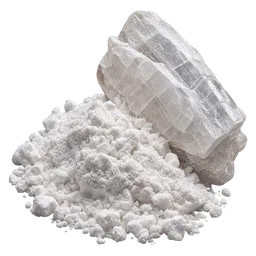
Magnesium
Early data
Wildly popular for sleep, but the maintenance-specific evidence is surprisingly thin
This is one of the biggest gaps between reputation and evidence. Magnesium is probably the second most-purchased sleep supplement after melatonin, but for staying asleep specifically, the trial data is weak. A 2021 systematic review of magnesium for insomnia in older adults found limited and inconsistent results 30. Two trials measured sleep maintenance endpoints for magnesium, and neither produced a clear effect. Where magnesium may genuinely help is for people who are deficient (common in older adults and those on certain medications), where restoration alone could improve sleep.
Full breakdown

Sour Cherry
Early data
Intriguing mechanism through tryptophan and inflammation, but tested in tiny studies
The pilot study that drives tart cherry's sleep reputation found increased total sleep time and improved sleep efficiency in older adults with insomnia, along with reduced levels of an inflammation marker 29. That sounds impressive until you note the sample: 11 people in a crossover design. A 2022 trial added more data with 16 endpoints but mixed results, and a 2026 study of exercise recovery found no sleep benefits. The mechanism is genuinely interesting and biologically plausible, but the evidence is too thin to rank with confidence.
Full breakdown

Cordyceps
Early data
One small trial, no replication, but an interesting signal in insomnia patients
The entire evidence base for cordyceps and sleep maintenance comes from a single RCT testing Cordyceps sinensis fermentation broth in adults with primary insomnia. We have one endpoint for sleep efficiency with no replication. This is pure early-stage exploration: the signal exists, but there is no way to know if it will hold up in larger, independent trials.
Full breakdown
What doesn't work
Save your money on these
Oral GABA supplements are popular in sleep stacks, but GABA molecules struggle to cross the blood-brain barrier. A few small trials measured sleep outcomes with mixed results, but there isn't enough research yet to know whether GABA helps with staying asleep specifically.
L-theanine has decent evidence for total sleep time and sleep quality, but for staying asleep specifically, there is just one small study. It likely helps with the relaxation that precedes sleep rather than the biological systems that keep you asleep through the night.
5-HTP converts to serotonin, a melatonin precursor, which makes the theory sound plausible. In practice, only one small trial of 32 people has measured sleep maintenance endpoints, with essentially no confidence in the results. The evidence for 5-HTP and sleep is almost entirely theoretical.
Lemon balm appears in many herbal sleep formulas, usually combined with valerian. As a standalone supplement for sleep maintenance, the direct evidence is negligible. Its best data is for anxiety reduction, and any sleep benefit likely comes through that indirect path.
Glycine showed some benefit for subjective sleep quality in a few trials, but for staying asleep through the night, the research barely exists: one tiny study with 14 people. The available studies focused on next-day alertness and cognitive function after sleep restriction, not on actual sleep continuity.
Synergistic stacks
Combinations that work better together
The Stress-Sleep Stack
Ashwagandha + Melatonin
Ashwagandha addresses the cortisol-driven arousal that fragments sleep, while melatonin reinforces the circadian signal that keeps you asleep. Ashwagandha works on weeks-long timescale to lower baseline stress 20, and melatonin covers the immediate nightly signal 11. They target different mechanisms with no known interaction.
The Inflammation-Sleep Stack
Omega-3 + Saffron
Both omega-3 and saffron reduce systemic inflammation through different pathways, and both showed improvements in sleep maintenance outcomes independently 226. Omega-3 also improves sleep efficiency over months, while saffron acts faster on wake-after-sleep-onset. They complement each other on timeline and mechanism.
Shortlist
A specific product for each pick
One well-dosed, cleanly-formulated option per ranked ingredient, from brands we've audited. Not sponsored.
 Well dosed audit 87
For Melatonin
Life Extension Melatonin 3 mgWell dosed audit 90
For Ashwagandha
Nootropics Depot Ashwagandha Extract 250 mgWell dosed audit 87
For Valerian
Solaray Valerian 470 mgWell dosed audit 76
For Saffron
Swanson Saffron ExtractWell dosed audit 69
For Caffeine
NutraBio Caffeine 200 mgWell dosed audit 90
For Chamomile
Solaray Chamomile 350 mgWell dosed audit 76
For Magnesium
Life Extension Magnesium (Citrate) 100 mgWell dosed audit 90
Buying guide
What to look for on the label
Form matters
- •Melatonin: controlled-release formulations are better for sleep maintenance than immediate-release, which dumps all the melatonin at once and may not last through the night.
- •Magnesium: glycinate and threonate are better absorbed and less likely to cause GI issues than oxide or citrate at sleep-relevant doses.
- •Omega-3: look for products listing both EPA and DHA amounts separately. You want at least 600 mg combined. Triglyceride form absorbs better than ethyl ester.
- •Ashwagandha: KSM-66 is the most-studied extract for sleep. Look for standardization to withanolides (typically 5%).
- •Saffron: standardized extracts (affron, Safr'Inside) are what the trials used. Generic "saffron powder" capsules may not deliver enough active compounds.
Red flags
- •Proprietary blends that hide individual ingredient amounts. If a sleep formula contains melatonin + ashwagandha + valerian but won't tell you how much of each, you can't match the doses used in research.
- •Melatonin products above 10 mg. More is not better. Most evidence is at 0.5-5 mg, and higher doses can cause morning grogginess and disrupt your body's own melatonin production.
- •Sleep formulas marketed as "all-natural" that contain unlisted melatonin. Independent testing has found undisclosed melatonin in products sold as herbal sleep aids.
Quality markers
- •Third-party testing (USP, NSF, or ConsumerLab verified) confirming the label matches the contents. This matters especially for melatonin, where independent testing frequently finds actual doses that differ from what the label claims.
- •Clearly stated extract standardization (e.g., "5% withanolides" for ashwagandha, "2% valerenic acid" for valerian). Without this, you have no way to compare what you are taking to what the clinical trials used.
- •Published clinical trials using the specific branded ingredient (KSM-66, affron, etc.) rather than generic herb powder.
The bottom line
The frustrating truth about sleep maintenance is that no supplement delivers the kind of dramatic, first-night improvement that people hope for. The strongest evidence here is for omega-3 and melatonin, which both show real but modest improvements in sleep efficiency across multiple trials. Ashwagandha and saffron bring interesting mechanisms, particularly for stress-driven and inflammation-driven awakenings, but on thinner evidence. Valerian improves how sleep feels without changing the numbers much.
The single most impactful change for most people is not adding a supplement but removing caffeine from the second half of the day. After that, the data supports starting with controlled-release melatonin at a low dose (0.5-3 mg), adding omega-3 if you are not already taking it, and considering ashwagandha if stress is clearly driving your nighttime waking. Give each option 4-8 weeks before judging whether it works. Sleep is slow to change, and the supplements that genuinely help are the ones that compound over time rather than knock you out tonight.
Frequently asked
Common questions
Why do I keep waking up at 2 or 3 AM?
Is melatonin better for falling asleep or staying asleep?
Can omega-3 fish oil really help with sleep?
How long does ashwagandha take to improve sleep?
Is valerian actually effective for sleep, or is it just an herbal myth?
Should I take magnesium for sleep?
Related
Go deeper on the top picks
Standalone evidence guides for the supplements at the top of this ranking, plus systematic reviews and combination breakdowns.
Ingredient evidence
Ingredient evidence
NewOmega-3
All scored outcomes
Aug 27, 2026
Ranking
Attention-Deficit/Hyperactivity Disorder
NewBest Supplements to Ease ADHD Symptoms in Children (2026)
Evidence ranking
May 17, 2026
Ranking
Arthritis and joint pain
NewBest Supplements for Arthritis and Joint Pain, Ranked by Clinical Evidence
Evidence ranking
Apr 4, 2026
Ranking
Migraines and Headaches
NewBest Supplements for Migraines and Headaches, Ranked by Clinical Evidence
Evidence ranking
Apr 4, 2026
Ranking
Depression
NewBest Supplements for Depression, Ranked by Clinical Evidence
Evidence ranking
Apr 4, 2026
Ranking
Brain fog and mental clarity
NewBest Supplements for Brain Fog and Mental Clarity, Ranked by Evidence
Evidence ranking
Apr 4, 2026
Sources
- 1. Effect of Docosahexaenoic Acid and Eicosapentaenoic Acid Supplementation on Sleep Quality in Healthy Subjects: A Randomized, Double-Blinded, Placebo-Controlled Trial (2022) ↑
- 2. Effect of omega-3 fatty acids on sleep: a systematic review and meta-analysis of randomized controlled trials (2024) ↑
- 3. Differential Effects of DHA- and EPA-Rich Oils on Sleep in Healthy Young Adults: A Randomized Controlled Trial (2021) ↑
- 4. Melatonin for sleep problems in children with neurodevelopmental disorders: randomised double masked placebo controlled trial (2012) ↑
- 5. Melatonin improves sleep in children with epilepsy: a randomized, double-blind, crossover study (2015) ↑
- 6. Oral melatonin for non-respiratory sleep disturbance in children with neurodisabilities: systematic review and meta-analyses (2019) ↑
- 7. Efficacy of Melatonin for Insomnia in Children with Autism Spectrum Disorder: A Systematic Review and Meta-Analysis (2023) ↑
- 8. Use of melatonin for children and adolescents with chronic insomnia attributable to disorders beyond indication: a systematic review, meta-analysis and clinical recommendation (2023) ↑
- 9. Use of melatonin in children and adolescents with idiopathic chronic insomnia: a systematic review, meta-analysis and clinical recommendation (2023) ↑
- 10. Effect of melatonin on insomnia and daytime sleepiness in patients with obstructive sleep apnea and insomnia (COMISA) (2024) ↑
- 11. Meta-analysis: melatonin for the treatment of primary sleep disorders (2013) ↑
- 12. Melatonin for Treatment-Seeking Alcohol Use Disorder patients with sleeping problems: A randomized clinical pilot trial (2020) ↑
- 13. Controlled-release oral melatonin supplementation for hypertension and nocturnal blood pressure: a meta-analysis of randomized clinical trials (2022) ↑
- 14. Efficacy of Melatonin for Insomnia in Children with Autism Spectrum Disorder: individual participant data meta-analysis (2022) ↑
- 15. Melatonin for sleep disorders and cognition in dementia: a meta-analysis of randomized controlled trials (2015) ↑
- 16. Effects of melatonin on sleep: a meta-analysis (2018) ↑
- 17. Circadian effects of melatonin on EEG sleep profiles in late-life depression (2018) ↑
- 18. Exploring the role of melatonin in managing sleep and motor symptoms in Parkinson's disease (2025) ↑
- 19. Effectiveness of melatonin supplementation for improving sleep quality and disease activity in rheumatoid arthritis (2025) ↑
- 20. Effect of Ashwagandha (Withania somnifera) extract on sleep: A systematic review and meta-analysis (2021) ↑
- 21. Efficacy and Safety of Ashwagandha (Withania somnifera) Root Extract in Insomnia and Anxiety: A Double-blind, Randomized, Placebo-controlled Study (2019) ↑
- 22. The use of exogenous melatonin in delayed sleep phase disorder: a meta-analysis (2010) ↑
- 23. Standardized Extract of Valeriana officinalis Improves Overall Sleep Quality in Human Subjects with Sleep Complaints: A Randomized, Double-Blind, Placebo-Controlled, Clinical Study (2024) ↑
- 24. A televised, web-based randomised trial of an herbal remedy (valerian) for insomnia (2007) ↑
- 25. Crocus Sativus for Insomnia: A Systematic Review and Meta-Analysis (2022) ↑
- 26. A standardised saffron extract improves subjective and objective sleep quality in healthy older adults with sleep complaints (2025) ↑
- 27. An examination into the mental and physical effects of a saffron extract (affron) in recreationally-active adults (2022) ↑
- 28. Preliminary examination of the efficacy and safety of a standardized chamomile extract for chronic primary insomnia: a randomized placebo-controlled pilot study (2011) ↑
- 29. Pilot Study of the Tart Cherry Juice for the Treatment of Insomnia and Investigation of Mechanisms (2018) ↑
- 30. Oral magnesium supplementation for insomnia in older adults: a Systematic Review and Meta-Analysis (2021) ↑
Generated April 4, 2026