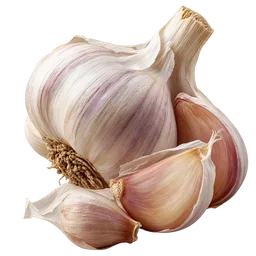
Garlic for Cardiovascular Health: A Systematic Evidence Review
Does garlic supplementation lower blood pressure and cholesterol?
Evidence summary
Garlic produces a likely strong benefit for oxidized lipoproteins and inflammation in adults with elevated cardiovascular risk markers, while also modestly lowering systolic blood pressure.
- Across 12 studies (n=3,805), garlic lowered systolic blood pressure by a modest amount, below the threshold for noticeable change.3
- Aged garlic extract accounted for most positive results in hypertensive and prehypertensive adults.
- Hard cardiovascular outcomes remained untested, so biomarker gains do not prove fewer heart attacks or strokes.
What we found
Garlic looks useful, but not magical. The best evidence says it can modestly lower regular blood pressure readings and slightly improve LDL and total cholesterol, especially in people who already have elevated risk markers.346121624
That means garlic may be worth considering as an add-on if you want a small extra push in the right direction. It does not look strong enough to count on by itself, and it has not been shown here to prevent heart attacks or strokes.123
If the goal is cardiovascular support, choose garlic with realistic expectations: think modest help with blood pressure and routine labs, not a substitute for proven medical care.
Introduction
The practical question is straightforward: does taking garlic meaningfully improve cardiovascular risk markers such as blood pressure and cholesterol? The current analysis says yes, but only modestly, and mostly on the basics that show up in a routine clinic visit or standard blood panel.13468121624
That distinction matters because cardiovascular supplements are often sold as if they broadly rejuvenate arteries. The evidence reviewed here is narrower. Garlic shows its strongest and most repeatable effects on brachial blood pressure, meaning the usual arm cuff measurement, and on standard lipids such as LDL and total cholesterol.3468121624 It is much less convincing for specialized markers, clotting outcomes, or actual cardiovascular events.711151723
The other important question is who benefits most. The bigger improvements tend to appear in people who begin with hypertension, dyslipidemia, fatty liver, metabolic syndrome, or established vascular disease, while healthier or lower-risk groups often show smaller or null results.3461216172224 That pattern does not prove garlic only works in high-risk populations, but it does suggest there is more room for measurable improvement when baseline risk is higher.3681216
Evidence 1 of 5
The clearest payoff is on routine blood pressure
Garlic demonstrates a modest reduction in routine brachial blood pressure.34681624 On average, systolic pressure fell by about 4.6 mmHg and diastolic pressure by about 3.6 mmHg. A clinically meaningful difference is usually around 5 mmHg for either measure, so the average systolic effect comes close to that line and the average diastolic effect falls short, but both are clearly in the helpful direction.34681624 Several individual trials reached or exceeded that range. In uncontrolled hypertension, aged garlic extract lowered systolic pressure by about 11.8 mmHg versus placebo over 12 weeks in one study, and by about 5.0 mmHg in another.36 In mildly hypertensive adults, a garlic homogenate lowered systolic pressure by about 6.6 mmHg and diastolic pressure by about 4.6 mmHg at 12 weeks.4 In people with NAFLD, garlic lowered systolic pressure by 7.9 mmHg and diastolic pressure by 5.4 mmHg compared with placebo.16
The blood pressure story is solid on average, but not equally dependable in every setting.3468162223 Heterogeneity, meaning the degree to which study results disagree with one another rather than lining up neatly, was substantial for both systolic and especially diastolic pressure. That means the average benefit is real, but some future trials, especially in lower-risk groups, could still show little or no effect.3462223 The prediction intervals crossed zero for both systolic and diastolic pressure, which reinforces that benefit is likely real on average, but not guaranteed in every population or formulation context.
Garlic does not appear to broadly improve deeper arterial mechanics beyond the cuff reading.6822 Central systolic pressure, which estimates the pressure closer to the heart and large arteries, probably does not change meaningfully based on the limited available evidence.6 Pulse wave velocity, a measure of arterial stiffness where lower is better, remains too uncertain to count on. One study found a subgroup improvement of 0.33 m/s in people with high baseline stiffness, but pooled evidence from the small available dataset was not convincing overall.6822
What this means
If garlic helps, the most likely place to notice it is a somewhat better home or clinic blood pressure reading, especially if blood pressure is elevated to begin with. It should be viewed as a modest adjunct, not a substitute for established blood pressure care.
Systolic Blood Pressure
Proven benefit Strong · 76Proven modest benefit
- K 2016: Cohen's d 0.47 (95% CI 0.04 to 0.89) , Digital sphygmomanometer (HEM-907) + Mobil-O-Graph (oscillometric average) , n=88.
- N 2025: Cohen's d 0.82 (95% CI 0.41 to 1.24) , mercury sphygmomanometer (Yuwell) , n=97.
- K 2025: Cohen's d 0.04 (95% CI -0.41 to 0.50) , Automated sphygmomanometer (Omron HEM-907) , n=75.
- D 2021: Cohen's d 0.97 (95% CI 0.55 to 1.39) , Calculated from SBP and DBP (MAP = [SBP + 2DBP]/3) measured by mercury sphygmomanometer , n=98.
- Y 2013: Cohen's d 0.45 (95% CI -0.18 to 1.07) , HEM-7051T automated sphygmomanometer (Omron) , n=40.
- K 2013: Cohen's d 0.67 (95% CI 0.00 to 1.33) , Omron HEM-907 digital sphygmomanometer , n=37.
- M 2020: Cohen's d 0.55 (95% CI 0.13 to 0.96) , OMRON Automatic Blood Pressure Monitor Model M6 Comfort IT , n=93.
- R 2022: Cohen's d 0.03 (95% CI -0.31 to 0.38) , OMRON HEM-907 automatic sphygmomanometer , n=127.
- S 2022: Cohen's d 0.14 (95% CI -0.19 to 0.48) , brachial manometer , n=140.
- K 2018: Cohen's d 0.77 (95% CI 0.19 to 1.36) , n=49.
- D 2013: Cohen's d 0.49 (95% CI 0.06 to 0.92) , Blood pressure sphygmomanometer , n=86.
- N 2024: Cohen's d 0.08 (95% CI -0.46 to 0.63) , Automated sphygmomanometer (Omron 705CP) , n=52.
- Pooled random-effects Cohen's d 0.44 (95% CI 0.25 to 0.63).
▸ GRADE Assessment
| Domain | Rating | Reason |
|---|---|---|
| Risk of bias | No concern | 20 papers, majority low risk |
| Inconsistency | Serious | I²=59% (> 50%) |
| Imprecision | No concern | N=3805 meets OIS=400 |
| Publication bias | Serious | Egger's p=0.000, funnel asymmetry detected (k=19) |
| Indirectness | No concern | deferred to Phase 2 (#1546) |
| Overall certainty | Moderate | |
Certainty is graded across the five GRADE domains, each able to downgrade the rating. How we grade evidence →
Diastolic Blood Pressure
Proven benefit Strong · 76Proven modest benefit
- K 2016: Cohen's d 0.01 (95% CI -0.41 to 0.43) , Digital sphygmomanometer (HEM-907) + Mobil-O-Graph (oscillometric average) , n=88.
- N 2025: Cohen's d 0.76 (95% CI 0.35 to 1.17) , mercury sphygmomanometer (Yuwell) , n=97.
- R 2022: Cohen's d 0.24 (95% CI -0.11 to 0.59) , OMRON HEM-907 automatic sphygmomanometer , n=127.
- D 2021: Cohen's d 0.92 (95% CI 0.51 to 1.34) , Mercury sphygmomanometer (mean of 3 measurements) , n=98.
- Y 2013: Cohen's d 0.52 (95% CI -0.11 to 1.15) , HEM-7051T automated sphygmomanometer (Omron) , n=40.
- K 2013: Cohen's d 0.53 (95% CI -0.13 to 1.19) , Omron HEM-907 digital sphygmomanometer , n=37.
- M 2020: Cohen's d 0.33 (95% CI -0.08 to 0.74) , OMRON Automatic Blood Pressure Monitor Model M6 Comfort IT , n=93.
- S 2022: Cohen's d 0.13 (95% CI -0.20 to 0.46) , brachial manometer , n=140.
- K 2018: Cohen's d 0.68 (95% CI 0.11 to 1.26) , n=49.
- D 2013: Cohen's d 0.60 (95% CI 0.17 to 1.04) , Blood pressure sphygmomanometer , n=86.
- N 2024: Cohen's d 0.00 (95% CI -0.54 to 0.54) , Automated sphygmomanometer (Omron 705CP) , n=52.
- Pooled random-effects Cohen's d 0.42 (95% CI 0.22 to 0.61).
▸ GRADE Assessment
| Domain | Rating | Reason |
|---|---|---|
| Risk of bias | No concern | 19 papers, majority low risk |
| Inconsistency | Serious | I²=87% (> 75%) |
| Imprecision | No concern | N=3806 meets OIS=400 |
| Publication bias | Serious | Egger's p=0.000, funnel asymmetry detected (k=18) |
| Indirectness | No concern | deferred to Phase 2 (#1546) |
| Overall certainty | Moderate | |
Certainty is graded across the five GRADE domains, each able to downgrade the rating. How we grade evidence →
Central Aortic Systolic Blood Pressure
Likely no effect Strong · 64Probably doesn't help
▸ GRADE Assessment
| Domain | Rating | Reason |
|---|---|---|
| Risk of bias | No concern | 1 papers, majority low risk |
| Inconsistency | No concern | single study, inconsistency N/A |
| Imprecision | Serious | single study (N=137), unreplicated |
| Publication bias | No concern | k=1 usable (< 10), cannot assess per Cochrane 10.4 |
| Indirectness | No concern | deferred to Phase 2 (#1546) |
| Overall certainty | Moderate | |
Certainty is graded across the five GRADE domains, each able to downgrade the rating. How we grade evidence →
Pulse Wave Velocity
Early data Limited · 41Barely detectable
- K 2025: Cohen's d 0.09 (95% CI -0.55 to 0.73) , Mobil-O-Graph brachial cuff algorithm , n=38.
- K 2016: Cohen's d 0.17 (95% CI -0.36 to 0.69) , Mobil-O-Graph (PWV estimation) , n=56.
- Pooled random-effects Cohen's d 0.14 (95% CI -0.27 to 0.54).
▸ GRADE Assessment
| Domain | Rating | Reason |
|---|---|---|
| Risk of bias | No concern | 2 papers, majority low risk |
| Inconsistency | No concern | no concerns (no data) |
| Imprecision | Very serious | N=94 far below OIS=400 |
| Publication bias | No concern | k=2 usable (< 10), cannot assess per Cochrane 10.4 |
| Indirectness | No concern | deferred to Phase 2 (#1546) |
| Overall certainty | Low | |
Certainty is graded across the five GRADE domains, each able to downgrade the rating. How we grade evidence →
Evidence 2 of 5
Cholesterol improves modestly, but not every lipid marker follows
Garlic demonstrates small improvements in standard cholesterol markers, especially LDL and total cholesterol.12121724 LDL fell by about 8.1 mg/dL on average, and total cholesterol by about 13.3 mg/dL. Those changes are smaller than the usual thresholds of 15 mg/dL for LDL and 20 mg/dL for total cholesterol that would clearly shift treatment decisions on their own, so this is better understood as a supportive nudge than a major lipid-lowering effect.1121724 The more positive individual trials fit that framing. In coronary disease, time-released garlic lowered LDL to about 156 mg/dL versus 170 mg/dL after 12 months.1 In NAFLD, garlic lowered LDL by about 12 mg/dL and total cholesterol by about 13 mg/dL over 15 weeks.12 In women with PCOS and metabolic syndrome, adjusted LDL, total cholesterol, and triglycerides were all lower after 8 weeks.24
The lipid effect is real, but it is not sweeping across all fractions.157111517 Triglycerides declined by about 14.8 mg/dL on average, which is far below the 50 mg/dL change usually considered clearly meaningful, so this is statistically positive but often too small to matter much in isolation.12151724 HDL rose by about 1.7 mg/dL on average, again below the 5 mg/dL threshold that would usually count as a clearly important shift.171724 ApoB/ApoA1 ratio and ApoA1 themselves stayed essentially unchanged in the limited available trials, which suggests garlic is not reliably reshaping the more specialized lipoprotein profile.7111417
The current analysis also argues against overselling garlic as a universal lipid optimizer.7111417 Lipoprotein(a), a genetically influenced risk marker that is often hard to move, showed no clear response in the one available trial.7 Cholesterol efflux capacity, which reflects how well HDL-related pathways remove cholesterol from cells, also showed no meaningful improvement.7 Oxidized lipoproteins look more promising, with one hemodialysis crossover trial showing a strong drop in oxidized LDL over 8 weeks, but that finding comes from a single study and needs replication before it can carry much weight.15
The lipid meta-analyses were also highly inconsistent, especially for LDL and total cholesterol.12121724 An I-squared value above 75% means studies are disagreeing a lot more than would be expected by chance alone, and here that disagreement was very high. The prediction intervals crossed zero, and the median study effects were much smaller than the pooled random-effects estimates, which suggests a few strongly positive studies may be pulling the average upward.12121724
What this means
Garlic may modestly tidy up a standard lipid panel, but it is unlikely to produce the kind of cholesterol change that would replace other proven lipid-lowering strategies. The average improvement is measurable in the lab more than dramatic in real life.
Low-Density Lipoprotein Cholesterol
Proven benefit Strong · 76Proven modest benefit
- N 2025: Cohen's d 0.89 (95% CI 0.47 to 1.31) , auto-analyzer (BT 2000) , n=97.
- D 2020: Cohen's d 0.35 (95% CI -0.05 to 0.75) , LDL-c (photometric assay) , n=98.
- K 2016: Cohen's d 0.13 (95% CI -0.29 to 0.56) , n=87.
- M 2017: Cohen's d 0.05 (95% CI -0.55 to 0.66) , colorimetric enzymatic assay , n=42.
- M 2020: Cohen's d 0.26 (95% CI -0.15 to 0.67) , Serum LDL cholesterol , n=93.
- R 2022: Cohen's d 0.00 (95% CI -0.34 to 0.35) , Calculated by Friedewald formula from enzymatic assays (AU5800) , n=127.
- S 2022: Cohen's d 0.12 (95% CI -0.21 to 0.45) , n=140.
- F 2022: Cohen's d 0.06 (95% CI -0.63 to 0.75) , auto-analyzer (Hitachi, Cobas C 311, Roche) , n=32.
- I 2010: Cohen's d 0.37 (95% CI -0.18 to 0.92) , enzymatic kits (Boehringer Mannheim) / calculated by Friedewald formula , n=51.
- D 2013: Cohen's d 0.52 (95% CI 0.09 to 0.95) , Lipid panel , n=86.
- Pooled random-effects Cohen's d 0.28 (95% CI 0.11 to 0.46).
▸ GRADE Assessment
| Domain | Rating | Reason |
|---|---|---|
| Risk of bias | No concern | 21 papers, majority low risk |
| Inconsistency | Serious | I²=93% (> 75%) |
| Imprecision | No concern | N=7603 meets OIS=400 |
| Publication bias | Serious | Egger's p=0.005, funnel asymmetry detected (k=19) |
| Indirectness | No concern | deferred to Phase 2 (#1546) |
| Overall certainty | Moderate | |
Certainty is graded across the five GRADE domains, each able to downgrade the rating. How we grade evidence →
Total Cholesterol
Proven benefit Strong · 76Proven modest benefit
- N 2025: Cohen's d 1.06 (95% CI 0.64 to 1.49) , auto-analyzer (BT 2000) , n=97.
- D 2020: Cohen's d 0.35 (95% CI -0.05 to 0.75) , total cholesterol (photometric assay) , n=98.
- M 2021: Cohen's d 0.09 (95% CI -0.24 to 0.43) , n=140.
- M 2020: Cohen's d 0.31 (95% CI -0.10 to 0.72) , Serum total cholesterol , n=93.
- E 2019: Cohen's d 0.97 (95% CI 0.31 to 1.63) , n=40.
- R 2022: Cohen's d 0.03 (95% CI -0.32 to 0.38) , Automated enzymatic clinical chemistry analyzer (AU5800) , n=127.
- I 2010: Cohen's d 0.16 (95% CI -0.39 to 0.71) , enzymatic kits (Boehringer Mannheim) , n=51.
- D 2013: Cohen's d 2.36 (95% CI 1.81 to 2.91), beyond the visible axis , Colorimetric lipid panel , n=86.
- Pooled random-effects Cohen's d 0.65 (95% CI 0.17 to 1.13).
▸ GRADE Assessment
| Domain | Rating | Reason |
|---|---|---|
| Risk of bias | No concern | 18 papers, majority low risk |
| Inconsistency | Serious | I²=95% (> 75%) |
| Imprecision | No concern | N=8177 meets OIS=400 |
| Publication bias | Serious | Egger's p=0.000, funnel asymmetry detected (k=17) |
| Indirectness | No concern | deferred to Phase 2 (#1546) |
| Overall certainty | Moderate | |
Certainty is graded across the five GRADE domains, each able to downgrade the rating. How we grade evidence →
Triglycerides
Proven benefit Strong · 76Proven but unnoticeable
- N 2025: Cohen's d 0.66 (95% CI 0.25 to 1.07) , auto-analyzer (BT 2000) , n=97.
- D 2020: Cohen's d 0.13 (95% CI -0.26 to 0.53) , triglycerides (photometric assay) , n=98.
- M 2020: Cohen's d 0.25 (95% CI -0.15 to 0.66) , Serum triglycerides , n=93.
- R 2022: Cohen's d 0.06 (95% CI -0.29 to 0.41) , Automated enzymatic clinical chemistry analyzer (AU5800) , n=127.
- M 2021: Cohen's d 0.25 (95% CI -0.08 to 0.58) , n=140.
- S 2022: Cohen's d 0.08 (95% CI -0.26 to 0.41) , n=140.
- I 2010: Cohen's d 0.55 (95% CI -0.01 to 1.11) , enzymatic kits (Boehringer Mannheim) , n=51.
- D 2013: Cohen's d 1.11 (95% CI 0.66 to 1.57) , Lipid panel , n=86.
- E 2019: Cohen's d 0.31 (95% CI -0.32 to 0.93) , n=40.
- N 2024: Cohen's d 0.38 (95% CI -0.17 to 0.93) , Laboratory serum triglycerides (standard methods) , n=52.
- Pooled random-effects Cohen's d 0.36 (95% CI 0.15 to 0.56).
▸ GRADE Assessment
| Domain | Rating | Reason |
|---|---|---|
| Risk of bias | No concern | 18 papers, majority low risk |
| Inconsistency | Serious | I²=81% (> 75%) |
| Imprecision | No concern | N=6845 meets OIS=400 |
| Publication bias | Serious | Egger's p=0.000, funnel asymmetry detected (k=17) |
| Indirectness | No concern | deferred to Phase 2 (#1546) |
| Overall certainty | Moderate | |
Certainty is graded across the five GRADE domains, each able to downgrade the rating. How we grade evidence →
HDL Cholesterol
Likely helps Good · 51Likely real but unnoticeable
- N 2025: Cohen's d 0.43 (95% CI 0.03 to 0.83) , auto-analyzer (BT 2000) , n=97.
- D 2020: Cohen's d 0.04 (95% CI -0.36 to 0.44) , HDL-c (photometric assay) , n=98.
- M 2017: Cohen's d 0.08 (95% CI -0.53 to 0.68) , colorimetric enzymatic assay , n=42.
- M 2020: Cohen's d 0.20 (95% CI -0.21 to 0.60) , Serum HDL cholesterol , n=93.
- R 2022: Cohen's d 0.07 (95% CI -0.28 to 0.41) , Automated enzymatic clinical chemistry analyzer (AU5800) , n=127.
- S 2022: Cohen's d 0.16 (95% CI -0.17 to 0.50) , n=140.
- I 2010: Cohen's d 0.06 (95% CI -0.49 to 0.61) , enzymatic kits (Boehringer Mannheim) , n=51.
- D 2013: Cohen's d 0.61 (95% CI 0.18 to 1.04) , Lipid panel , n=86.
- N 2024: Cohen's d 0.42 (95% CI -0.13 to 0.97) , Laboratory HDL-cholesterol (standard methods) , n=52.
- Pooled random-effects Cohen's d 0.22 (95% CI 0.08 to 0.36).
▸ GRADE Assessment
| Domain | Rating | Reason |
|---|---|---|
| Risk of bias | No concern | 18 papers, majority low risk |
| Inconsistency | Serious | I²=68% (> 50%) |
| Imprecision | No concern | N=7794 meets OIS=400 |
| Publication bias | Serious | Egger's p=0.000, funnel asymmetry detected (k=17) |
| Indirectness | No concern | deferred to Phase 2 (#1546) |
| Overall certainty | Low | |
Certainty is graded across the five GRADE domains, each able to downgrade the rating. How we grade evidence →
Apolipoprotein B / Apolipoprotein A-I Ratio
Not enough research Limited · 42Not enough research
- M 2020: Cohen's d 0.06 (95% CI -0.35 to 0.46) , Apolipoprotein B/Apolipoprotein A ratio , n=93.
- M 2021: Cohen's d 0.14 (95% CI -0.59 to 0.87) , n=29.
- Pooled random-effects Cohen's d 0.08 (95% CI -0.28 to 0.43).
▸ GRADE Assessment
| Domain | Rating | Reason |
|---|---|---|
| Risk of bias | No concern | 2 papers, majority low risk |
| Inconsistency | No concern | no concerns (no data) |
| Imprecision | Very serious | N=122 far below OIS=400 |
| Publication bias | No concern | k=2 usable (< 10), cannot assess per Cochrane 10.4 |
| Indirectness | No concern | deferred to Phase 2 (#1546) |
| Overall certainty | Low | |
Certainty is graded across the five GRADE domains, each able to downgrade the rating. How we grade evidence →
Apolipoprotein A-I
Not enough research Limited · 43Not enough research
- M 2017: Cohen's d 0.05 (95% CI -0.56 to 0.65) , immunoturbidimetric assay , n=42.
- R 2022: Cohen's d 0.12 (95% CI -0.23 to 0.47) , Automated immunoassay (UniCel DxI 800 Access) , n=127.
- Pooled random-effects Cohen's d 0.10 (95% CI -0.20 to 0.40).
▸ GRADE Assessment
| Domain | Rating | Reason |
|---|---|---|
| Risk of bias | No concern | 2 papers, majority low risk |
| Inconsistency | No concern | no concerns (no data) |
| Imprecision | Very serious | N=169 far below OIS=400 |
| Publication bias | No concern | k=2 usable (< 10), cannot assess per Cochrane 10.4 |
| Indirectness | No concern | deferred to Phase 2 (#1546) |
| Overall certainty | Low | |
Certainty is graded across the five GRADE domains, each able to downgrade the rating. How we grade evidence →
Oxidized Lipoprotein Burden
Likely helps Strong · 64Likely strong benefit
Single study: M 2021, d=0.76 (n=70+70)
▸ GRADE Assessment
| Domain | Rating | Reason |
|---|---|---|
| Risk of bias | No concern | 1 papers, majority low risk |
| Inconsistency | No concern | single study, inconsistency N/A |
| Imprecision | Serious | single study (N=140), unreplicated |
| Publication bias | No concern | k=1 usable (< 10), cannot assess per Cochrane 10.4 |
| Indirectness | No concern | deferred to Phase 2 (#1546) |
| Overall certainty | Moderate | |
Certainty is graded across the five GRADE domains, each able to downgrade the rating. How we grade evidence →
Lipoprotein(a)
Not enough research Very early · 36Not enough research
Single study: M 2017, d=0.05 (n=21+21)
▸ GRADE Assessment
| Domain | Rating | Reason |
|---|---|---|
| Risk of bias | No concern | 1 papers, majority low risk |
| Inconsistency | No concern | single study, inconsistency N/A |
| Imprecision | Very serious | single small study (N=42) |
| Publication bias | No concern | k=1 usable (< 10), cannot assess per Cochrane 10.4 |
| Indirectness | No concern | deferred to Phase 2 (#1546) |
| Overall certainty | Low | |
Certainty is graded across the five GRADE domains, each able to downgrade the rating. How we grade evidence →
ABCA1-Specific Cholesterol Efflux Capacity
Likely no effect Strong · 60Probably doesn't help
▸ GRADE Assessment
| Domain | Rating | Reason |
|---|---|---|
| Risk of bias | No concern | 1 papers, majority low risk |
| Inconsistency | No concern | single study, inconsistency N/A |
| Imprecision | Serious | sample size unknown |
| Publication bias | No concern | no d values |
| Indirectness | No concern | deferred to Phase 2 (#1546) |
| Overall certainty | Moderate | |
Certainty is graded across the five GRADE domains, each able to downgrade the rating. How we grade evidence →
Evidence 3 of 5
Vessels show early functional gains before structural change
Garlic suggests earlier gains in vascular function than in reversal of established artery disease.710111321 The most convincing signal here is improved peripheral circulation. Across four studies, peripheral blood flow measures improved modestly and with little statistical disagreement between studies.131921 In people with atherosclerosis, aged garlic extract improved post-occlusive reactive hyperemia by 21.6% and acetylcholine-induced microvascular conductance by 21.4% over 12 months.13 In the purple garlic oil trial, peak flow improved by 15.4 perfusion units and half-recovery flow by 8.5 perfusion units after 5 weeks.21 Those are not symptoms-based outcomes, but they do suggest better microvascular responsiveness.
Endothelial function, meaning how well blood vessels dilate in response to signals, remains promising but fragile.25721 One coronary artery disease trial found brachial flow-mediated dilation rise from about 5.0% to 7.5% over 3 months, while placebo slightly worsened.7 That is a potentially meaningful change in vessel responsiveness, but the pooled evidence remains early because only a few small studies exist, and they do not all agree.257 Very low certainty here means the result could change substantially as more trials accumulate.
Structural artery outcomes are even less settled.1011 Garlic may slow arterial calcification progression, with one 12-month trial finding roughly threefold higher odds of being in the lower-progression calcification group, and another showing reduced low-attenuation plaque, a more vulnerable plaque component, in people with diabetes.1011 But the same plaque studies did not show broad regression across total plaque, fibrous plaque, or calcified plaque compartments.10 That pattern fits a supplement producing small biologic shifts over time rather than dramatic artery remodeling.
The bottom line is that vessel function looks more responsive than vessel structure.710111321 That makes biological sense because blood flow and endothelial tone can change over weeks to months, whereas plaque burden and calcification usually move slowly and require larger, longer studies to measure confidently.
What this means
Garlic may help vessels behave a little better before it proves that it can materially reverse atherosclerosis. The current evidence is more about better circulation and vascular responsiveness than about shrinking plaque.
Endothelial Function
Early data Very early · 16Promising early signal
- M 2017: Cohen's d 0.82 (95% CI 0.19 to 1.45) , brachial flow-mediated dilation (ultrasound) , n=42.
- D 2013: Cohen's d 0.02 (95% CI -0.40 to 0.44) , Flow-mediated vasodilatation (brachial artery, Doppler ultrasound) , n=86.
- N 2024: Cohen's d 0.45 (95% CI -0.10 to 1.00) , DRT4 Laser Doppler Flowmetry (LDF) , n=52.
- Pooled random-effects Cohen's d 0.38 (95% CI -0.08 to 0.85).
▸ GRADE Assessment
| Domain | Rating | Reason |
|---|---|---|
| Risk of bias | No concern | 3 papers, majority low risk |
| Inconsistency | Serious | I²=64% (> 50%) |
| Imprecision | Very serious | N=180 far below OIS=400 |
| Publication bias | No concern | k=3 usable (< 10), cannot assess per Cochrane 10.4 |
| Indirectness | No concern | deferred to Phase 2 (#1546) |
| Overall certainty | Very low | |
Certainty is graded across the five GRADE domains, each able to downgrade the rating. How we grade evidence →
Atherosclerotic Plaque Burden
Early data Very early · 37Barely detectable
Single study: K 2020, d=0.06 (n=37+29)
▸ GRADE Assessment
| Domain | Rating | Reason |
|---|---|---|
| Risk of bias | No concern | 1 papers, majority low risk |
| Inconsistency | No concern | single study, inconsistency N/A |
| Imprecision | Very serious | single small study (N=66) |
| Publication bias | No concern | k=1 usable (< 10), cannot assess per Cochrane 10.4 |
| Indirectness | No concern | deferred to Phase 2 (#1546) |
| Overall certainty | Low | |
Certainty is graded across the five GRADE domains, each able to downgrade the rating. How we grade evidence →
Arterial Calcification Progression
Early data Limited · 43Promising early signal
- M 2020: Cohen's d 0.59 (95% CI 0.18 to 1.01) , Agatston CAC score (cardiac CT) , n=93.
- K 2020: Cohen's d 0.25 (95% CI -0.23 to 0.74) , CCTA (QAngio CT) , n=66.
- Pooled random-effects Cohen's d 0.45 (95% CI 0.12 to 0.78).
▸ GRADE Assessment
| Domain | Rating | Reason |
|---|---|---|
| Risk of bias | No concern | 2 papers, majority low risk |
| Inconsistency | No concern | no concerns (no data) |
| Imprecision | Very serious | N=159 far below OIS=400 |
| Publication bias | No concern | k=2 usable (< 10), cannot assess per Cochrane 10.4 |
| Indirectness | No concern | deferred to Phase 2 (#1546) |
| Overall certainty | Low | |
Certainty is graded across the five GRADE domains, each able to downgrade the rating. How we grade evidence →
Peripheral Blood Flow
Likely helps Strong · 67Likely modest benefit
- S 2021: Cohen's d 0.24 (95% CI -0.17 to 0.65) , Laser Speckle Contrast Imaging with acetylcholine iontophoresis , n=93.
- M 2017: Cohen's d 0.36 (95% CI -0.25 to 0.97) , brachial ultrasound , n=42.
- J 2022: Cohen's d 0.88 (95% CI 0.10 to 1.65) , Digital infrared thermographic imaging (DITI, Iris-XP) , n=28.
- N 2024: Cohen's d 0.26 (95% CI -0.29 to 0.80) , DRT4 Laser Doppler Flowmetry (LDF) , n=52.
- Pooled random-effects Cohen's d 0.34 (95% CI 0.07 to 0.61).
▸ GRADE Assessment
| Domain | Rating | Reason |
|---|---|---|
| Risk of bias | No concern | 4 papers, majority low risk |
| Inconsistency | No concern | no concerns (I²=0%, PI crosses null) |
| Imprecision | Serious | N=215 below OIS=400 |
| Publication bias | No concern | k=4 usable (< 10), cannot assess per Cochrane 10.4 |
| Indirectness | No concern | deferred to Phase 2 (#1546) |
| Overall certainty | Moderate | |
Certainty is graded across the five GRADE domains, each able to downgrade the rating. How we grade evidence →
Evidence 4 of 5
Inflammation may be part of the pathway
Garlic likely dampens inflammatory tone, which makes the blood pressure and lipid findings more coherent rather than isolated lab noise.9131516202124 hs-CRP, a blood marker of systemic inflammation where lower is generally better, fell by about 1.3 mg/L on average. Because a 1.0 mg/L change is often treated as clinically meaningful, that average drop is large enough to matter, even though the studies varied a lot.9162124 Some of the strongest individual signals came from higher-risk groups: peritoneal dialysis patients had a far larger CRP reduction than placebo over 8 weeks, and women with PCOS plus metabolic syndrome ended the trial at 5.83 mg/L versus 7.42 mg/L on placebo.924
TNF-alpha also appears to decline, and this result was more consistent across studies.620 TNF-alpha is a pro-inflammatory signaling protein involved in vascular stress and metabolic dysfunction. The pooled effect was modest, and the lack of statistical inconsistency means the direction of effect was fairly stable, even if the total evidence base remains small.620 Homocysteine showed a larger average drop of about 6.4 µmol/L, which is more than double the 3.0 µmol/L threshold often considered meaningful.2915 That is one of the more impressive native-unit changes in the review, but confidence is still only moderate to low because the evidence comes from just a few studies and results are uneven.2915
These biomarker shifts help explain why garlic might modestly improve cardiovascular risk factors without yet proving event reduction.91516202124 Less inflammation and oxidative stress could plausibly support lower blood pressure, better endothelial responsiveness, and slightly improved lipid handling. But biomarkers are still biomarkers. They strengthen the mechanism story more than they settle the clinical outcome story.
What this means
The inflammatory data make garlic look biologically active, not inert. That supports using it as a risk-factor adjunct, but inflammation improvements alone do not prove fewer cardiovascular events.
Homocysteine
Early data Limited · 44Large effect, needs confirmation
- M 2021: Cohen's d 0.77 (95% CI 0.42 to 1.11) , n=140.
- M 2020: Cohen's d 0.09 (95% CI -0.32 to 0.50) , Plasma homocysteine , n=93.
- E 2019: Cohen's d 0.54 (95% CI -0.09 to 1.17) , Homocysteine (HCY) kit; biochemical and quantitative luminance methods , n=40.
- Pooled random-effects Cohen's d 0.47 (95% CI 0.01 to 0.92).
▸ GRADE Assessment
| Domain | Rating | Reason |
|---|---|---|
| Risk of bias | No concern | 5 papers, majority low risk |
| Inconsistency | Serious | I²=68% (> 50%) |
| Imprecision | Serious | N=273 below OIS=400 |
| Publication bias | No concern | k=3 usable (< 10), cannot assess per Cochrane 10.4 |
| Indirectness | No concern | deferred to Phase 2 (#1546) |
| Overall certainty | Low | |
Certainty is graded across the five GRADE domains, each able to downgrade the rating. How we grade evidence →
High-Sensitivity C-Reactive Protein
Likely helps Strong · 71Likely benefit
- N 2025: Cohen's d 1.42 (95% CI 0.98 to 1.87) , photometry (Pars Azmoon kits) , n=97.
- M 2017: Cohen's d 0.06 (95% CI -0.54 to 0.67) , immunoturbidimetric assay , n=42.
- M 2020: Cohen's d 0.20 (95% CI -0.20 to 0.61) , Serum CRP , n=93.
- E 2019: Cohen's d 1.06 (95% CI 0.40 to 1.72) , hsCRP latex turbidimetric immunoassay , n=40.
- D 2013: Cohen's d 0.17 (95% CI -0.25 to 0.59) , Immunoassay , n=86.
- N 2024: Cohen's d 0.61 (95% CI 0.05 to 1.17) , hs-CRP nephelometry (Siemens) , n=52.
- Pooled random-effects Cohen's d 0.58 (95% CI 0.12 to 1.04).
▸ GRADE Assessment
| Domain | Rating | Reason |
|---|---|---|
| Risk of bias | No concern | 8 papers, majority low risk |
| Inconsistency | Serious | I²=80% (> 75%) |
| Imprecision | No concern | N=410 meets OIS=400 |
| Publication bias | No concern | k=6 usable (< 10), cannot assess per Cochrane 10.4 |
| Indirectness | No concern | deferred to Phase 2 (#1546) |
| Overall certainty | Moderate | |
Certainty is graded across the five GRADE domains, each able to downgrade the rating. How we grade evidence →
Tumor Necrosis Factor-Alpha
Likely helps Strong · 69Likely modest benefit
- K 2016: Cohen's d 0.53 (95% CI 0.00 to 1.05) , n=58.
- M 2020: Cohen's d 0.51 (95% CI 0.10 to 0.93) , Interleukin-6 (Il-6) assay , n=93.
- D 2013: Cohen's d 0.41 (95% CI -0.02 to 0.83) , Immunoassay (R&D Systems) , n=86.
- Pooled random-effects Cohen's d 0.48 (95% CI 0.22 to 0.74).
▸ GRADE Assessment
| Domain | Rating | Reason |
|---|---|---|
| Risk of bias | No concern | 5 papers, majority low risk |
| Inconsistency | No concern | no concerns (I²=0%, consistency=100%, PI crosses null) |
| Imprecision | Serious | N=374 below OIS=400 |
| Publication bias | No concern | k=4 usable (< 10), cannot assess per Cochrane 10.4 |
| Indirectness | No concern | deferred to Phase 2 (#1546) |
| Overall certainty | Moderate | |
Certainty is graded across the five GRADE domains, each able to downgrade the rating. How we grade evidence →
Evidence 5 of 5
Prevention claims outrun the current event and clotting data
The evidence reviewed here does not justify claiming that garlic prevents heart attacks, strokes, or other major cardiovascular events.123 The only event-related signal came from a small 12-month study in coronary heart disease that reported improvement in a PROCAM-derived 10-year risk estimate, not actual adjudicated events.1 Risk algorithms can be informative, but they are still indirect. A better score is not the same as demonstrating fewer clinical events.
Clotting-related claims are even less secure.21 Platelet aggregation and fibrinolysis, meaning the balance between forming and breaking down clots, were studied too sparsely and with too much uncertainty to support meaningful conclusions. That matters because garlic is often discussed as if it has dependable blood-thinning properties. The current analysis does not support making that claim from the available clinical trial evidence.21
This is an important boundary on the whole review. Garlic shows enough evidence to support modest improvements in risk markers, but not enough to support strong prevention language. Moving from better blood pressure and lab numbers to proven outcome reduction requires larger, longer trials with actual cardiovascular endpoints, and that evidence is not here yet.123
What this means
Garlic may improve some of the numbers associated with cardiovascular risk, but it has not yet demonstrated that it reduces actual cardiovascular events in a way that should change prevention decisions.
Major Cardiovascular Events
Early data Very early · 37Faint early signal
Single study: I 2010, d=0.44 (n=26+25)
▸ GRADE Assessment
| Domain | Rating | Reason |
|---|---|---|
| Risk of bias | No concern | 1 papers, majority low risk |
| Inconsistency | No concern | single study, inconsistency N/A |
| Imprecision | Very serious | single small study (N=51) |
| Publication bias | No concern | k=1 usable (< 10), cannot assess per Cochrane 10.4 |
| Indirectness | No concern | deferred to Phase 2 (#1546) |
| Overall certainty | Low | |
Certainty is graded across the five GRADE domains, each able to downgrade the rating. How we grade evidence →
Platelet Aggregation
Not enough research Very early · 11Not enough research
▸ GRADE Assessment
| Domain | Rating | Reason |
|---|---|---|
| Risk of bias | Very serious | 1/1 papers high risk of bias |
| Inconsistency | No concern | single study, inconsistency N/A |
| Imprecision | Very serious | single small study (N=42) |
| Publication bias | No concern | k=1 usable (< 10), cannot assess per Cochrane 10.4 |
| Indirectness | No concern | deferred to Phase 2 (#1546) |
| Overall certainty | Very low | |
Certainty is graded across the five GRADE domains, each able to downgrade the rating. How we grade evidence →
Fibrinolytic Activity
Not enough research Very early · 12Not enough research
Single study: N 2024, d=0.23 (n=27+25)
▸ GRADE Assessment
| Domain | Rating | Reason |
|---|---|---|
| Risk of bias | Serious | 1/1 papers with RoB concerns |
| Inconsistency | No concern | single study, inconsistency N/A |
| Imprecision | Very serious | single small study (N=52) |
| Publication bias | No concern | k=1 usable (< 10), cannot assess per Cochrane 10.4 |
| Indirectness | No concern | deferred to Phase 2 (#1546) |
| Overall certainty | Very low | |
Certainty is graded across the five GRADE domains, each able to downgrade the rating. How we grade evidence →
Across the Evidence
The broad pattern is that garlic works best on ordinary, front-line measurements and much less well on specialized cardiovascular markers.3468121624 That is why the most convincing findings are lower brachial blood pressure and modestly better LDL or total cholesterol, while central aortic pressure, cholesterol efflux, apo ratios, and lipoprotein(a) mostly stay flat.671117 A plausible biological reason is that garlic's sulfur compounds and related metabolites may modestly affect vascular tone, nitric oxide signaling, oxidative stress, and inflammation, enough to shift cuff readings and standard chemistry panels, but not enough, or not consistently enough, to remake more complex lipid pathways or artery structure over short study periods.71315161920
The pattern also hints that baseline risk matters more than formulation branding.346121624 Larger benefits repeatedly appeared in people with uncontrolled hypertension, metabolic syndrome features, NAFLD, dialysis, diabetes, or established vascular disease.369101216 By contrast, healthier participants, low-risk women, or recreational athletes often showed small or null effects on the main cardiovascular endpoints.141922 That fits a common supplement research pattern: the more abnormal the starting physiology, the more room there is for measurable change.
Formulation differences are tempting to overinterpret, but the current analysis does not support a clean ranking of aged garlic extract versus allicin-rich powders, oils, black garlic, or fermented forms.136121617192124 Positive findings occurred in both aged garlic extract and allicin-rich preparations, and null findings also occurred in both. Dose-response is similarly unresolved. Some strong blood pressure studies used 300-1200 mg per day, while some higher-dose 2400 mg studies mainly informed vascular or calcification outcomes rather than clearly larger cuff or lipid effects.3468111622 The inconsistency likely reflects differences in populations, co-medications, baseline diet, duration, and product chemistry at least as much as simple milligram dose.
A final pattern is that many headline outcomes are statistically positive but not uniformly reproducible across contexts.3468121624 Prediction intervals crossed the null for most pooled outcomes. A prediction interval estimates the range a future similar study might plausibly land in, and when it crosses zero it means a benefit seen on average may not appear in every real-world setting. That is not a reason to dismiss the results. It is a reason to set expectations correctly: garlic looks like a modest, context-dependent helper, not a universally reliable cardiovascular intervention.
Discussion
The overall conclusion is moderately confident and fairly narrow: garlic supplementation demonstrates modest improvements in routine blood pressure and standard cholesterol measures, with supportive early signals for inflammation and vascular function.13468121624 The confidence is highest for systolic and diastolic blood pressure, LDL, and total cholesterol because those findings rest on multiple randomized trials and larger combined sample sizes.13468121624
What keeps this from being a stronger endorsement is not the absence of signal, but the inconsistency of it.346121624 Several pooled outcomes showed substantial heterogeneity, and funnel-plot asymmetry suggests that smaller positive trials may be overrepresented. In plain terms, the average effect is probably real, but its size may be less stable than the headline pooled estimates suggest. That is especially true for lipids, where median study effects were often modest and a few stronger results seem to pull the averages upward.12121724
The vascular and inflammatory findings make the main conclusion more believable, but they do not widen it enough to support sweeping claims.79101113151621 Better peripheral circulation, lower hs-CRP, lower TNF-alpha, and possible slowing of calcification progression all point in a coherent direction. Even so, most of those outcomes depend on only one to three studies, and several are surrogate measures rather than direct clinical outcomes.10111321
What would change the conclusion meaningfully is straightforward: larger preregistered trials, better standardization of garlic preparations, clearer reporting of sulfur compound content, and longer follow-up with adjudicated cardiovascular events rather than risk algorithms or biomarker surrogates.123 Trials that directly compare aged garlic extract with allicin-rich products would also help answer a question the current evidence cannot settle.
For now, the evidence supports garlic as a plausible adjunct for modest cardiovascular risk-factor improvement, especially when blood pressure or standard lipids are not ideal. It does not support presenting garlic as a proven strategy for preventing major cardiovascular events or as a dependable modifier of specialized lipoprotein and clotting pathways.711172123
Methodology
We searched PubMed for studies on garlic and cardiovascular health, then filtered to the human intervention studies shown in the PRISMA summary. The final review included 24 controlled trials, mostly randomized placebo-controlled studies, covering blood pressure, lipids, vascular function, inflammation, and a small number of imaging or risk-algorithm outcomes.13468121624
We read each study, recorded what it measured, how large it was, how long it lasted, and what it found. We judged evidence quality with the GRADE framework and also scored clinical importance against published meaningful-change thresholds, such as 5 mmHg for blood pressure and 15 mg/dL for LDL. GRADE was designed for pharmaceutical interventions and tends to rate nutrition evidence conservatively. It automatically downgrades all observational evidence and only gives large upgrades for very large effects, often above what nutrition trials realistically produce. Our continuous trust score is meant to add nuance by combining study quality, consistency, sample size, and whether the effect is large enough to matter clinically. That is why a result can be described as moderately convincing in practical terms even when a formal GRADE table still reads low or moderate certainty.
Every study cited here is publicly indexed on PubMed. Key limitations are substantial between-study inconsistency for several pooled outcomes, short follow-up in many trials, limited head-to-head formulation data, and sparse evidence for hard cardiovascular events, clotting outcomes, and several specialized biomarkers.
Study Selection
Characteristics of Included Studies
| Study | Design | N | Population | Dose | Duration | RoB |
|---|---|---|---|---|---|---|
| I 2010 FT | rct | 63 | clinical | 150 mg twice daily (300 mg/day) for 12 months | 12 months | Low |
| Conflicts of interest: The authors declare that they have no competing interests. | ||||||
| D 2012 FT | controlled trial | 30 | healthy | 80 mg/day for 12 weeks | 12 weeks | Low |
| K 2013 FT | rct | 79 | clinical | 480 mg daily (2 capsules) for 12 weeks | 12 weeks | Low |
| Y 2013 FT | rct | 81 | clinical | 300 mg daily (two capsules) for 12 weeks | 12 weeks (treatment) with 4-week post-treatment follow-up | Some |
| D 2013 FT | rct | 46 | clinical | 1.2 g/day (two capsules, BID) for 12 weeks | 24 weeks (12 weeks AGE + 12 weeks placebo, randomized crossover) | Some |
| K 2016 FT | rct | 88 | clinical | 1.2 g daily (two capsules) for 12 weeks | 12 weeks | Some |
| M 2017 FT | rct | 42 | clinical | Twice daily for 3 months (tablet form) | 3 months | Some |
| K 2018 FT | rct | 52 | clinical | 2 capsules daily for 12 weeks | 12 weeks | Some |
| Conflicts of interest: Authors declared no commercial or financial relationships that could be construed as a potential conflict of interest. | ||||||
| E 2019 FT | rct | 42 | clinical | 400 mg twice daily for 8 weeks | 8 weeks | Some |
| K 2020 FT | rct | 80 | clinical | 2400 mg daily (2 capsules twice daily) for 12 months | 12 months | Low |
| M 2020 FT | rct | 104 | subclinical | 2400 mg daily for 12 months | 12 months | Some |
| D 2020 FT | rct | 110 | clinical | 800 mg/day for 15 weeks | 15 weeks | Low |
| S 2021 FT | rct | 104 | clinical | 2400 mg/day for 12 months | 12 months | Some |
| Conflicts of interest: Dr Lindstedt received a grant to support this research from Wakunaga of America Ltd.; no other authors reported conflicts. | ||||||
| M 2021 FT | rct | 31 | subclinical | 2400 mg aged garlic extract daily for 12 months | 12 months | Some |
| M 2021 FT | controlled trial | 70 | clinical | 300 mg twice daily for 8 weeks | 22 weeks total (8 weeks garlic/placebo + 6-week washout + 8 weeks switched) | Low |
| D 2021 FT | rct | 110 | clinical | 800 mg garlic per day (400 mg twice daily) for 15 weeks | 15 weeks | Low |
| Conflicts of interest: The authors declare that they have no competing interests. | ||||||
| R 2022 FT | rct | 67 | clinical | 250 mg daily (1.25 mg SAC) for 6 weeks | 6 weeks per intervention period with a 3-week washout (crossover design) | Low |
| F 2022 FT | rct | 43 | clinical | 800 mg garlic powder daily (400 mg x2) for 2 months | 2 months | Some |
| J 2022 FT | rct | 58 | healthy | One 450 mg tablet (contains 180 mg dried FGE; 7 mg NO₂⁻) | Single-dose, acute assessments with measurements ~30–60 minutes after ingestion | Some |
| S 2022 FT | rct | 160 | clinical | 500 mg twice daily for 12 weeks | 3 months (12 weeks) | Some |
| Conflicts of interest: None reported. | ||||||
| J 2023 FT | rct | 11 | healthy | 1,000 mg/day for 4 weeks | 4 weeks | Low |
| N 2024 FT | rct | 53 | subclinical | 4 mg day 1 week, then 8 mg/day (capsules) for 4 weeks | 5 weeks | High |
| K 2025 FT | rct | 80 | healthy | 1.2–2.4 g daily (aged garlic extract) | 12 weeks | Low |
| N 2025 FT | rct | 97 | clinical | 500 mg twice daily for 8 weeks | 8 weeks | Some |
Sources
- 1. I 2010. The effects of time-released garlic powder tablets on multifunctional cardiovascular risk in patients with coronary artery disease. (2010) ↑
- 2. D 2012. Independent beneficial effects of aged garlic extract intake with regular exercise on cardiovascular risk in postmenopausal women. (2012) ↑
- 3. K 2013. Aged garlic extract reduces blood pressure in hypertensives: a dose-response trial. (2013) ↑
- 4. Y 2013. Effect of a traditional Japanese garlic preparation on blood pressure in prehypertensive and mildly hypertensive adults. (2013) ↑
- 5. D 2013. Aged garlic extract improves adiponectin levels in subjects with metabolic syndrome: a double-blind, placebo-controlled, randomized, crossover study. (2013) ↑
- 6. K 2016. The effect of aged garlic extract on blood pressure and other cardiovascular risk factors in uncontrolled hypertensives: the AGE at Heart trial. (2016) ↑
- 7. M 2017. Effects of garlic on brachial endothelial function and capacity of plasma to mediate cholesterol efflux in patients with coronary artery disease. (2017) ↑
- 8. K 2018. The Effect of Kyolic Aged Garlic Extract on Gut Microbiota, Inflammation, and Cardiovascular Markers in Hypertensives: The GarGIC Trial. (2018) ↑
- 9. E 2019. Evaluating the effect of garlic extract on serum inflammatory markers of peritoneal dialysis patients: a randomized double-blind clinical trial study. (2019) ↑
- 10. K 2020. Aged garlic extract reduces low attenuation plaque in coronary arteries of patients with diabetes: A randomized, double-blind, placebo-controlled study. (2020) ↑
- 11. M 2020. The effect of aged garlic extract on the atherosclerotic process - a randomized double-blind placebo-controlled trial. (2020) ↑
- 12. D 2020. Therapeutic Effects of Garlic on Hepatic Steatosis in Nonalcoholic Fatty Liver Disease Patients: A Randomized Clinical Trial. (2020) ↑
- 13. S 2021. Successful improved peripheral tissue perfusion was seen in patients with atherosclerosis after 12 months of treatment with aged garlic extract. (2021) ↑
- 14. M 2021. Aged Garlic Extract Reduces IL-6: A Double-Blind Placebo-Controlled Trial in Females with a Low Risk of Cardiovascular Disease. (2021) ↑
- 15. M 2021. Efficacy of Oral Administration of Allium sativum Powder "Garlic Extract" on Lipid Profile, Inflammation, and Cardiovascular Indices among Hemodialysis Patients. (2021) ↑
- 16. D 2021. Effect of garlic powder supplementation on blood pressure and hs-C-reactive protein among nonalcoholic fatty liver disease patients: A randomized, double-blind, placebo-controlled trial. (2021) ↑
- 17. R 2022. Effects of an Optimized Aged Garlic Extract on Cardiovascular Disease Risk Factors in Moderate Hypercholesterolemic Subjects: A Randomized, Crossover, Double-Blind, Sustainedand Controlled Study. (2022) ↑
- 18. F 2022. Effect of garlic extract on weight loss and gut microbiota composition in obese women: A double-blind randomized controlled trial. (2022) ↑
- 19. J 2022. Effects of Fermented Garlic Extract Containing Nitric Oxide Metabolites on Blood Flow in Healthy Participants: A Randomized Controlled Trial. (2022) ↑
- 20. J 2023. Garlic supplementation attenuates cycling exercise-induced oxidative inflammation but fails to improve time trial performance in healthy adults. (2023) ↑
- 21. N 2024. Effect of Encapsulated Purple Garlic Oil on Microvascular Function and the Components of Metabolic Syndrome: A Randomized Placebo-Controlled Study-The ENDOTALLIUM Study. (2024) ↑
- 22. K 2025. Kyolic aged garlic extract improves aerobic fitness in middle‑aged recreational endurance athletes: A randomized double‑blind placebo‑controlled 3 month trial. (2025) ↑
- 23. S 2022. A randomized, Double-blind Clinical Trial of the Three-month Effect of Garlic Administration on Cardiac Outcomes in Patients with Heart Failure. (2022) ↑
- 24. N 2025. Efficacy of garlic (Allium sativum) on metabolic syndrome components in women with polycystic ovary syndrome: randomized controlled trial. (2025) ↑
Related
Continue through the evidence
Ingredient evidence
Ingredient evidence
NewGarlic
All scored outcomes
Aug 27, 2026
Evidence guide
Garlic
NewThe Stinking Rose, Reimagined: From Pyramid Rations to a Blood-Pressure Whisperer
Evidence guide
Apr 26, 2026
Ranking
Fatty Liver Disease
NewBest Supplements for Fatty Liver Disease (NAFLD), Ranked by Evidence
Evidence ranking
Apr 4, 2026
Evidence map
Metabolic health
NewMetabolic health: evidence map across 82 supplements
Evidence coverage map
Jul 30, 2026
Ingredient evidence
Ingredient evidence
NewBeet nitrate
All scored outcomes
Aug 27, 2026
Ingredient evidence
Ingredient evidence
NewBlack Garlic
All scored outcomes
Aug 27, 2026