Best Supplements for Arthritis and Joint Pain, Ranked by Clinical Evidence
39 supplements · 5 outcomes · 73 trials
Our #1 pick
The strongest pain relief data of any joint supplement
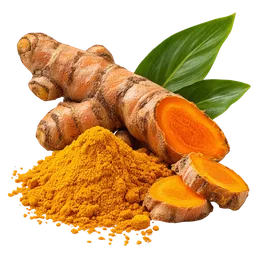
Turmeric has the deepest evidence base for knee OA pain of any supplement on this list. Nine studies involving over 7,000 participants across multiple meta-analyses confirm it works.172122 A 2022 meta-analysis of curcuminoid-only trials found significant improvements in pain, stiffness, and physical function versus placebo.21 Notably, head-to-head comparisons with NSAIDs like ibuprofen showed similar pain relief with fewer gastrointestinal side effects — which is a remarkable result for a supplement.21 A 2025 network meta-analysis confirmed these findings across different turmeric preparations.22 The evidence also extends to rheumatoid arthritis, where curcumin lowered disease activity scores and reduced rheumatoid factor levels.20
Joint pain is one of the most common reasons people reach for supplements, and the market is built around that. Glucosamine and chondroitin dominate the shelf space, turmeric is everywhere, and collagen has become the trendy newcomer. Most of these products sell on decades-old assumptions or single-study hype rather than what the totality of research actually shows.
The picture has shifted meaningfully in the last five years. Large meta-analyses and network comparisons have clarified which supplements genuinely reduce arthritis pain and which ones coast on name recognition. The results are sometimes surprising: the most popular joint supplement on the market has a more complicated story than its packaging suggests, and a spice extract has quietly built one of the strongest evidence bases in this entire category.
A few things worth knowing before diving in. First, most of the evidence is for knee osteoarthritis specifically — the most common form of arthritis. Evidence for rheumatoid arthritis is thinner across the board. Second, "supplement" doesn't mean "safe to combine with anything" — several options here have real drug interactions worth knowing about. Third, effect sizes across this category are mostly modest. These are not miracle workers. They're meaningful tools when matched to the right person and the right expectations.
Below is what the clinical data actually shows — for each supplement, who it works best for, and where the evidence runs out.
#1 deep dive
Why Turmeric (Curcumin Extract) takes the top spot
How it works
Curcumin, the active compound in turmeric, blocks multiple inflammatory pathways at once. It inhibits NF-kB — the master switch that triggers inflammatory gene expression — and suppresses COX-2 and several inflammatory cytokines.20 This broad action is why turmeric shows up across arthritis, metabolic, and cognitive research. For joints specifically, it calms the low-grade inflammation that drives cartilage breakdown in osteoarthritis.17
Best for
People with knee osteoarthritis looking for meaningful pain relief, particularly those who want an alternative to daily NSAIDs or who experience stomach problems with anti-inflammatory drugs. Also worth considering for rheumatoid arthritis as an adjunct to conventional treatment.
Watch out
Turmeric has real drug interactions. It inhibits CYP3A4, affecting the metabolism of many medications including tacrolimus, certain statins, and some chemotherapy drugs. It also has antiplatelet effects and should not be combined with warfarin, aspirin, or clopidogrel without medical supervision.20 Standard culinary amounts in food are fine; supplement doses are the concern. Note that bioavailability enhancers like piperine (black pepper) significantly amplify absorption — and therefore interaction risk.
Pro tip
Look for bioavailability-enhanced formulations: Meriva, BCM-95, Longvida, or Theracurmin. These are the forms used in positive clinical trials. Taking with a fat-containing meal also improves absorption. Standard turmeric root capsules deliver a fraction of what these formulations do.
Evidence by outcome
People with knee arthritis report less pain on walking and stairs.
Expected: ↓3.1 on NRS (meaningful at 2) · 12 weeks
People with arthritis find daily movement easier.
Helps the knee handle walking, stairs, and daily tasks more easily.
Expected: ↓5.4 on NRS (meaningful at 2)
People with arthritis improve across pain, stiffness, and function.
Glucosamine Sulfate
Proven benefit
The best-studied joint supplement, with a big asterisk on form
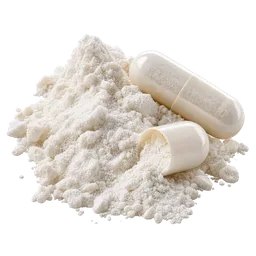
The Cochrane review pooling 20 RCTs with nearly 5,000 participants found meaningful pain relief and improved function, but with a critical caveat: results were driven almost entirely by trials using a specific pharmaceutical-grade sulfate preparation.8 When those trials were removed, the remaining studies — using other glucosamine products — showed almost no benefit. The GAIT trial, the largest independent US study with 662 participants, found glucosamine no better than placebo over two years for most patients.1 An individual patient data meta-analysis confirmed small overall effects with no clear subgroup reliably benefiting.9 The honest read: pharmaceutical-grade glucosamine sulfate appears to work, but generic products likely don't.
Full breakdown
Boswellia
Proven benefit
Fast-acting pain relief that kicks in within the first week
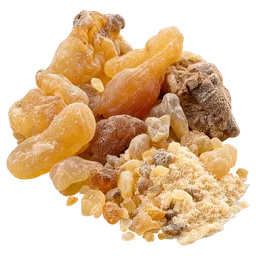
A 2020 meta-analysis pooling multiple RCTs found significant improvements in pain, stiffness, and physical function in people with knee osteoarthritis.27 A Cochrane review found Boswellia reduced pain by about 17 points on a 100-point scale and improved function by about 8 points versus placebo.26 A 2024 placebo-controlled trial with 105 participants confirmed these benefits over 90 days.29 The enriched extract Aflapin ranked as the top pain reliever in a 2025 network meta-analysis comparing all supplement types for knee OA.30 The caveat: the total evidence pool is modest — around 545 participants across the pooled trials — and most studies come from India where Boswellia research is concentrated. Independent replication from other regions would strengthen the case.
Full breakdown
Vitamin D
Proven benefit
Not a pain reliever — a prerequisite that makes everything else work better
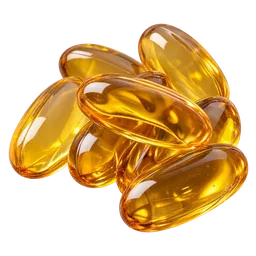
Vitamin D has solid evidence for improving arthritis-related markers, but the effect is small and heavily depends on whether you're actually deficient.12 Two studies in people with knee osteoarthritis found modest improvements in pain and function.1112 A pre-surgical trial giving a large dose before knee replacement found no functional benefit — suggesting it's the sustained correction of deficiency that matters, not acute dosing.13 Where vitamin D genuinely shines is as a foundation: deficiency is linked to worse outcomes across most joint conditions, and getting tested costs almost nothing.
Full breakdown
Chondroitin
Proven benefit
Modest pain relief, with unusually good evidence for slowing cartilage loss
A large meta-analysis found chondroitin produced a small but significant reduction in pain.5 More distinctively, a separate meta-analysis found it slowed radiographic joint space narrowing — suggesting genuine structural protection over time, which most pain medications can't claim.5 However, the GAIT trial found no benefit from chondroitin alone over two years,1 and pooled data shows the pain relief is modest enough that many people wouldn't notice a meaningful day-to-day difference.7 The structural angle is where chondroitin stands out from alternatives.
Full breakdown
Collagen
Proven benefit
Real but modest joint comfort improvements, better for general wear than diagnosed OA
A meta-analysis pooling 19 RCTs with over 3,000 participants confirmed that collagen reduces OA pain and improves function versus placebo, with no increase in side effects.12 However, the improvements are small — across nearly 20 measurements, the average effect on knee arthritis pain falls below the threshold that most people would notice as clinically meaningful. Collagen performs better for general joint discomfort than for diagnosed knee OA specifically, and better in active adults with mild wear than in people with moderate-to-severe disease.
Full breakdown
Omega-3 (Fish Oil)
Likely helps
Strong anti-inflammatory, but the joint-specific evidence is thinner than expected
Omega-3s have robust anti-inflammatory evidence across many conditions, but the joint-specific data is surprisingly limited. For knee OA specifically, a large RCT from the VITAL study found no significant benefit for chronic knee pain.11 One trial found a meaningful improvement in knee function, but it tested omega-3 alongside boswellia — not as a standalone.28 Where omega-3s do have stronger evidence is for rheumatoid arthritis morning stiffness and general systemic inflammation, both of which can benefit people with inflammatory joint conditions.
Full breakdown

Krill Oil
Likely helps
A more absorbable omega-3 form, with modest but real joint data
A meta-analysis pooling 730 participants found significant improvements in WOMAC pain, stiffness, and function scores for people with knee osteoarthritis.7 The improvements were modest. Krill oil also reliably lowers CRP, a systemic inflammation marker relevant to inflammatory joint conditions. The main limitation: the total evidence is thin compared to turmeric or glucosamine, and many krill oil trials have industry funding — worth knowing but not disqualifying.
Full breakdown
Avocado-Soybean Unsaponifiables (ASU)
Likely helps
A French prescription joint supplement with modest but consistent data
The Cochrane review found ASU at 300 mg reduced pain by about 8 points on a 100-point scale and modestly improved physical function versus placebo.26 However, it did not slow structural joint space narrowing on X-ray. The evidence base is small: essentially one product (Piascledine) tested across a handful of trials. Pain reduction and function improvement are real but modest, and most people wouldn't experience it as a dramatic change.
Full breakdown
What doesn't work
Save your money on these
The most common form of glucosamine sold in the US — and the Cochrane review found it consistently failed to beat placebo. The positive glucosamine data comes almost entirely from pharmaceutical-grade sulfate preparations. If your glucosamine bottle says 'hydrochloride,' the evidence says you're paying for a placebo.
Resveratrol generates genuinely interesting lab data — it's anti-inflammatory, it modulates NF-kB, and it looks promising in cell studies. But in human trials for joint pain and arthritis outcomes, it shows no meaningful effect. It's popular in anti-aging circles but shouldn't be on anyone's joint pain shopping list.
Injected hyaluronic acid directly into the knee has reasonable evidence. Oral hyaluronic acid is a different product. Several small trials tested oral HA for joint outcomes: pain scores didn't meaningfully improve despite some responder signals. The evidence isn't strong enough to recommend it over better-studied alternatives — and the mechanism for why an oral dose would reach the knee joint is still debated.
MSM is in nearly every joint supplement formula on the shelf. Our data shows some preliminary signals for knee arthritis pain and stiffness, but the evidence is thin — most of the data comes from just a couple of small trials without independent replication. At the doses studied, the effects are not clearly meaningful. Buy it as an add-on if you want, but don't let it anchor your joint strategy.
Synergistic stacks
Combinations that work better together
The Anti-Inflammatory Stack
Turmeric + Boswellia
Turmeric and boswellia target completely different inflammatory pathways — turmeric inhibits NF-kB and COX-2, while boswellia blocks 5-LOX. A trial testing the combination found greater improvements in overall joint function and quality of life than either supplement alone.28 An earlier head-to-head study also found the combination outperformed individual components for OA pain.14
The Structural Protection Stack
Glucosamine Sulfate + Vitamin D
Glucosamine sulfate is one of the few supplements with evidence for slowing radiographic joint space narrowing over 2–3 years.8 Vitamin D supports bone mineralization and reduces systemic inflammation. Correcting vitamin D deficiency — common in arthritis patients — may help other joint interventions work better.12
The Dual-Pathway Pain Stack
Turmeric + Omega-3
Turmeric addresses local joint inflammation via NF-kB, while omega-3s shift systemic inflammatory balance by competing with arachidonic acid in cell membranes. Together they cover both local and system-wide inflammation — particularly useful for people with rheumatoid arthritis or other inflammatory joint conditions where systemic inflammation is a major driver.
Shortlist
A specific product for each pick
One well-dosed, cleanly-formulated option per ranked ingredient, from brands we've audited. Not sponsored.

For Turmeric (Curcumin Extract)
NOW Turmeric Curcumin GelsWell dosed audit 87
For Glucosamine Sulfate
Pure Encapsulations Glucosamine HClWell dosed audit 78
For Boswellia
Thorne Boswellia PhytosomeWell dosed audit 79
For Vitamin D
NutraBio Vitamin D3 1000 IUWell dosed audit 90
For Chondroitin
Nature's Answer Glucosamine + Chondroitin 1350 mgWell dosed audit 75
For Collagen
Pure Encapsulations Collagen JSWell dosed audit 78
For Omega-3 (Fish Oil)
Nootropics Depot 70% DHA Fish Oil Softgels 1,000 mgWell dosed audit 87
Buying guide
What to look for on the label
Form matters
- •Glucosamine sulfate (pharmaceutical-grade, crystalline) is the only form with positive trial data. Glucosamine hydrochloride — the cheaper, more common US form — has consistently failed to show benefit. This is the single most important purchasing decision in the joint supplement category.
- •Standard turmeric powder is poorly absorbed and less than 5% curcumin by weight. Look for bioavailability-enhanced curcumin: Meriva, BCM-95, Longvida, Theracurmin, or CurcuWin. These are the formulations that produced results in clinical trials.
- •For boswellia, look for standardized extracts enriched for AKBA — Aflapin, 5-Loxin, or Boswellin. Generic boswellia resin may not deliver the same concentrated active compounds as the enriched forms used in trials.
- •Collagen comes in two different formats with different mechanisms and doses: hydrolyzed peptides (5–10 g/day) and UC-II undenatured type II collagen (40 mg/day). They're not interchangeable and can be taken together.
Red flags
- •Any joint product that doesn't specify which form of glucosamine it contains. If the label just says 'glucosamine' without specifying sulfate or hydrochloride, it's almost certainly the cheaper hydrochloride form.
- •Turmeric supplements without any named bioavailability technology. If the label only lists 'turmeric extract' or 'curcumin extract' without a patented delivery system, absorption will be minimal regardless of the dose.
- •Combination products that throw five or six ingredients together at sub-clinical doses. The effective dose of glucosamine is 1,500 mg. If a combo product only provides 500 mg alongside small amounts of everything else, none of the ingredients are at meaningful levels.
- •Products claiming to 'rebuild cartilage' or 'reverse arthritis.' No oral supplement has shown the ability to reverse existing joint damage. The best evidence is for slowing progression and reducing pain — meaningful goals, but not the same thing.
Quality markers
- •Third-party testing certifications (USP, NSF, ConsumerLab) that verify the product contains what the label claims. This is especially important for glucosamine, where the sulfate vs. hydrochloride distinction matters and some products are mislabeled.
- •Clearly stated form and dose: milligrams of curcuminoids (not just 'turmeric root'), type of glucosamine salt, percentage of AKBA in boswellia extracts.
- •Doses that match clinical trials. If the research used 1,500 mg glucosamine sulfate and the product provides 750 mg, you're getting half a dose no matter how premium the branding.
The bottom line
The joint supplement market is enormous, confusing, and full of products that coast on inertia. The actual evidence narrows the field considerably.
Turmeric, as a bioavailability-enhanced curcumin extract, has the strongest and most consistent data for reducing knee arthritis pain — backed by multiple meta-analyses pooling thousands of participants. Boswellia is genuinely fast-acting, with measurable relief in some people within the first week, though total evidence volume is smaller. Glucosamine sulfate has the deepest history and structural protection data, but the key word is "sulfate" and "pharmaceutical-grade" — generic hydrochloride products have consistently failed in trials.
Vitamin D belongs on this list as a prerequisite more than a treatment: if you're deficient (which many arthritis patients are), correcting it likely helps and costs almost nothing. Chondroitin offers modest pain relief with a unique angle on slowing cartilage loss that most pain medications don't touch. Collagen, omega-3s, and krill oil have real but modest evidence — better as supporting players than primary interventions.
What doesn't work: glucosamine hydrochloride (the most common US form), oral hyaluronic acid (not the same product as the injection), resveratrol (interesting in the lab, consistently disappointing in joint trials), and combo products that under-dose every ingredient. The gap between what's on the shelf and what the evidence supports is wide. Let the data, not the marketing, guide what you buy.
Frequently asked
Common questions
Can supplements replace anti-inflammatory drugs for arthritis?
How long do joint supplements take to work?
Is glucosamine sulfate better than glucosamine hydrochloride?
Should I take glucosamine and chondroitin together?
Is turmeric safe to take with blood thinners?
Does collagen actually rebuild cartilage?
Related
Go deeper on the top picks
Standalone evidence guides for the supplements at the top of this ranking, plus systematic reviews and combination breakdowns.
Ingredient evidence
Ingredient evidence
NewTurmeric
All scored outcomes
Aug 27, 2026
Evidence guide
Turmeric (Curcuma longa) / Curcumin
NewThe Golden Paradox: When a Sacred Spice Meets the Skeptical Clinic
Evidence guide
Mar 31, 2026
Ranking
Depression
NewBest Supplements for Depression, Ranked by Clinical Evidence
Evidence ranking
Apr 4, 2026
Ranking
Brain fog and mental clarity
NewBest Supplements for Brain Fog and Mental Clarity, Ranked by Evidence
Evidence ranking
Apr 4, 2026
Ranking
Fatty Liver Disease
NewBest Supplements for Fatty Liver Disease (NAFLD), Ranked by Evidence
Evidence ranking
Apr 4, 2026
Ranking
Memory and recall
NewThe 10 Best Supplements for Memory, Ranked by Evidence
Evidence ranking
May 9, 2026
Sources
- 1. Clinical efficacy and safety of glucosamine, chondroitin sulphate, their combination, celecoxib or placebo taken to treat osteoarthritis of the knee: 2-year results from GAIT. ↑
- 2. Effect of oral glucosamine on joint structure in individuals with chronic knee pain: a randomized, placebo-controlled clinical trial. ↑
- 3. Open-label, randomized, controlled pilot study of the effects of a glucosamine complex on Low back pain. ↑
- 4. Efficacy of glucosamine plus diacerein versus monotherapy of glucosamine: a double-blind, parallel randomized clinical trial. ↑
- 5. Dietary supplements for treating osteoarthritis: a systematic review and meta-analysis. ↑
- 6. Effects of glucosamine in patients with osteoarthritis of the knee: a systematic review and meta-analysis. ↑
- 7. Effectiveness and safety of glucosamine and chondroitin for the treatment of osteoarthritis: a meta-analysis of randomized controlled trials. ↑
- 8. Glucosamine therapy for treating osteoarthritis. ↑
- 9. Subgroup analyses of the effectiveness of oral glucosamine for knee and hip osteoarthritis: a systematic review and individual patient data meta-analysis from the OA trial bank. ↑
- 10. The effect of glucosamine supplementation on people experiencing regular knee pain. ↑
- 11. The Effects of Vitamin D and Marine Omega-3 Fatty Acid Supplementation on Chronic Knee Pain in Older US Adults: Results From a Randomized Trial. ↑
- 12. A Meta-Analysis of the Impact of Nutritional Supplementation on Osteoarthritis Symptoms. ↑
- 13. Vitamin D3 Supplementation Prior to Total Knee Arthroplasty: A Randomized Controlled Trial. ↑
- 14. Efficacy and safety of curcumin and its combination with boswellic acid in osteoarthritis: a comparative, randomized, double-blind, placebo-controlled study. ↑
- 15. Efficacy of curcumin and Boswellia for knee osteoarthritis: Systematic review and meta-analysis. ↑
- 16. Bio-optimized Curcuma longa extract is efficient on knee osteoarthritis pain: a double-blind multicenter randomized placebo controlled three-arm study. ↑
- 17. The efficacy and safety of Curcuma longa extract and curcumin supplements on osteoarthritis: a systematic review and meta-analysis. ↑
- 18. An Investigation into the Effects of a Curcumin Extract (Curcugen) on Osteoarthritis Pain of the Knee: A Randomised, Double-Blind, Placebo-Controlled Study. ↑
- 19. The Oral Administration of Highly-Bioavailable Curcumin for One Year Has Clinical and Chondro-Protective Effects: A Randomized, Double-Blinded, Placebo-Controlled Prospective Study. ↑
- 20. Efficacy and Safety of Curcumin and Curcuma longa Extract in the Treatment of Arthritis: A Systematic Review and Meta-Analysis of Randomized Controlled Trial. ↑
- 21. Efficacy and safety of curcuminoids alone in alleviating pain and dysfunction for knee osteoarthritis: a systematic review and meta-analysis of randomized controlled trials. ↑
- 22. Effect of turmeric products on knee osteoarthritis: a systematic review and network meta-analysis. ↑
- 23. A double blind, randomized, placebo controlled study of the efficacy and safety of 5-Loxin for treatment of osteoarthritis of the knee. ↑
- 24. Comparative efficacy and tolerability of 5-Loxin and Aflapin Against osteoarthritis of the knee: a double blind, randomized, placebo controlled clinical study. ↑
- 25. A double blind, randomized, placebo controlled clinical study evaluates the early efficacy of aflapin in subjects with osteoarthritis of knee. ↑
- 26. Oral herbal therapies for treating osteoarthritis. ↑
- 27. Effectiveness of Boswellia and Boswellia extract for osteoarthritis patients: a systematic review and meta-analysis. ↑
- 28. Efficacy of Boswellia serrata Extract and/or an Omega-3-Based Product for Improving Pain and Function in People Older Than 40 Years with Persistent Knee Pain: A Randomized Double-Blind Controlled Clinical Trial. ↑
- 29. A standardized Boswellia serrata extract shows improvements in knee osteoarthritis within five days-a double-blind, randomized, three-arm, parallel-group, multi-center, placebo-controlled trial. ↑
- 30. Efficacy of dietary supplements for treating knee osteoarthritis: a systematic review and network meta-analysis. ↑
Generated April 4, 2026