Best Supplements for Blood Sugar, Ranked by Clinical Evidence
152 supplements · 4 outcomes · 420 trials
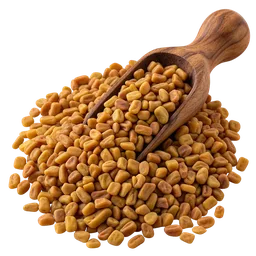
Our #1 pick
The strongest all-around evidence for long-term blood sugar control
Three independent meta-analyses, the most recent pooling data from 2024, consistently show fenugreek lowers fasting blood glucose, HbA1c, and post-meal glucose in people with type 2 diabetes and prediabetes.152523 A 2023 meta-analysis of RCTs found significant reductions in both fasting glucose and HbA1c, with effects concentrated in people who already have elevated blood sugar.24 A 2022 RCT specifically in people with early glucose dysregulation found fenugreek lowered post-meal glucose and improved insulin sensitivity within 12 weeks.22 The effect on HbA1c is particularly well-established, backed by seven studies with high confidence in the finding.25
Blood sugar is one of the most measurable things in supplement research. You draw blood, you run the test, and you get a number: fasting glucose, HbA1c, post-meal spike. There's no subjective questionnaire muddying the picture. That means the data here is cleaner than what you'd find for something like mood or energy.
It also means the stakes are higher. People tracking their blood sugar are often doing so because a doctor told them their numbers are creeping up, or because they already have type 2 diabetes and want to optimize alongside their medication. This isn't the place for wishful thinking or marketing hype.
The supplement industry has been selling "blood sugar support" for decades, and most of what fills those shelves is based on thin evidence, tradition, or outright mythology. Cinnamon capsules, gymnema drops, apple cider vinegar gummies. The clinical data for most of these popular options ranges from "barely studied" to "studied and found wanting."
What does work? The strongest evidence points to a handful of ingredients you might not expect. A legume seed used in Indian cooking. A prebiotic fiber that feeds your gut bacteria. A polyphenol from berries. An amino acid mostly known from energy drinks. None of them are miracle cures, and none of them replace medication, exercise, or dietary changes. But several of them have consistent, replicated evidence across multiple meta-analyses showing they genuinely nudge fasting glucose and HbA1c in the right direction.
This ranking prioritizes supplements with evidence across both fasting glucose and long-term blood sugar control (HbA1c), because a supplement that briefly dips your morning number but doesn't change your three-month average isn't doing much.
#1 deep dive
Why Fenugreek takes the top spot
How it works
Fenugreek seeds contain a soluble fiber called galactomannan that slows carbohydrate digestion and glucose absorption in the gut. The amino acid 4-hydroxyisoleucine, unique to fenugreek, appears to stimulate insulin secretion from pancreatic beta cells in a glucose-dependent manner, meaning it helps your body produce more insulin when blood sugar is high but not when it's already normal.1516
Best for
People with prediabetes or type 2 diabetes who want to support their existing treatment plan. The evidence is strongest in people whose blood sugar is already elevated. Healthy people with normal glucose probably won't see much change.
Watch out
Fenugreek can amplify the blood sugar-lowering effects of diabetes medications and insulin, potentially causing hypoglycemia. It also interacts with warfarin and other blood thinners. Talk to your doctor before combining with prescription drugs.
Pro tip
If the powder form is too much volume, look for concentrated seed extracts standardized to galactomannan or saponin content. Taking it with meals helps blunt the post-meal glucose spike specifically.
Evidence by outcome
HbA1c reflects your average blood sugar over the past 2-3 months.
Helps keep blood sugar steadier before breakfast and between meals.
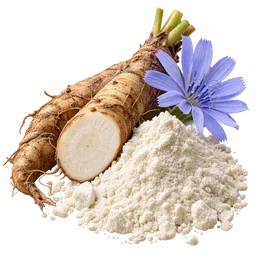
Inulin
Proven benefit
A prebiotic fiber that improves blood sugar through the gut
A 2019 GRADE-assessed meta-analysis of 33 RCTs found inulin-type fructans significantly improved fasting blood glucose and HbA1c in people with prediabetes and type 2 diabetes. Four studies specifically measuring HbA1c showed consistent improvement. Ten studies measuring fasting glucose also found significant reductions, with the clearest effects at doses of 10 g or above over at least 8 weeks. A 2015 RCT in women with type 2 diabetes found 10 g daily lowered fasting glucose by about 19 mg/dL and HbA1c by roughly 1 percentage point over 8 weeks. The dual benefit of blood sugar improvement plus measurable gut microbiome changes is unique to prebiotic fibers.
Full breakdown

Green Tea Extract
Proven benefit
Consistent fasting glucose reductions across seven trials
A 2024 meta-analysis pooling data from 722 people with type 2 diabetes found green tea significantly lowered fasting blood glucose and improved insulin resistance. The fasting glucose evidence is backed by seven studies totaling over 1,100 participants, with high confidence in the overall finding.282930 However, the HbA1c data tells a different story: pooled results show no clear long-term effect on three-month blood sugar averages. This means green tea nudges your daily fasting number but may not change the bigger picture captured by HbA1c, which limits how much it actually matters for long-term glucose control.
Full breakdown
Taurine
Proven benefit
Targets insulin resistance with strong metabolic trial data
Five studies measuring HbA1c in people with diabetes or metabolic syndrome show consistent improvement, with high confidence in the pooled result. A 2022 systematic review and meta-analysis of taurine in diabetes found significant reductions in fasting insulin and insulin resistance markers. A 2024 meta-analysis of 25 RCTs further confirmed reductions in fasting glucose, insulin, blood pressure, and multiple metabolic markers. Individual RCTs in people with type 2 diabetes found taurine at 3 g daily reduced fasting insulin, improved insulin resistance, and lowered inflammatory markers alongside the blood sugar benefits. The fasting glucose evidence is solid but not quite as strong as the insulin resistance data.
Full breakdown

Anthocyanins
Proven benefit
Berry pigments that improve both fasting and long-term blood sugar
A 2017 systematic review and meta-analysis of RCTs found purified anthocyanins significantly improved fasting glucose, HbA1c, and LDL cholesterol in people with cardiometabolic risk. A notable RCT gave 320 mg of purified anthocyanins to people with prediabetes for 12 weeks and found improvements in fasting glucose, HbA1c, fasting insulin, and post-meal glucose, with particularly strong effects on insulin sensitivity. A 2023 meta-analysis focused on type 2 diabetes confirmed the fasting glucose and HbA1c reductions across multiple RCTs. The evidence covers both short-term glucose and long-term control, which many blood sugar supplements fail to do.
Full breakdown
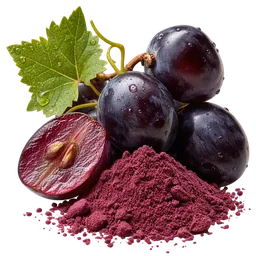
Resveratrol
Proven benefit
Reliable for long-term HbA1c, mixed for morning fasting glucose
Twelve studies measuring HbA1c show consistent improvement, with the pooled data reaching high confidence for a real effect on long-term blood sugar control. A 2026 meta-analysis of over 2,500 participants confirmed resveratrol significantly reduces fasting insulin and insulin resistance. However, that same large meta-analysis found fasting blood glucose did NOT significantly change overall, though there was a trend favoring improvement at doses between 100 and 500 mg. This creates a split picture: resveratrol reliably improves how your body handles insulin and your three-month HbA1c average, but doesn't consistently lower the morning fasting number. The insulin sensitivity improvement is the real story.
Full breakdown
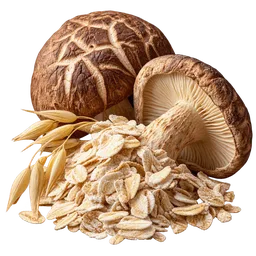
Beta-Glucans (Oat)
Proven benefit
The best evidence for blunting post-meal blood sugar spikes
A 2021 systematic review and meta-analysis confirmed oat beta-glucans significantly reduce both post-meal glucose and insulin spikes in acute feeding trials. The effect depends on dose and on the molecular weight of the beta-glucan, with higher molecular weight producing larger reductions. Seven studies totaling over 1,000 participants show strong, consistent evidence for post-meal blood sugar blunting. However, the fasting blood sugar evidence is weaker: while nine studies show a statistically real effect, the actual size of the change is small enough that you probably wouldn't notice it on a lab report. Beta-glucans are best understood as a meal-by-meal tool rather than a metabolic overhaul.
Full breakdown
What doesn't work
Save your money on these
Cinnamon is the most-Googled natural blood sugar remedy, but 10 clinical trials measuring fasting glucose and HbA1c put its evidence at the lowest confidence tier. The studies that do exist are mostly small, short-term, and inconsistent. A large 2025 meta-analysis found it doesn't reliably lower fasting glucose, HbA1c, or insulin resistance in pooled data.
Marketed as 'the sugar destroyer,' gymnema has exactly one standalone RCT with blood sugar endpoints, producing a confidence level too low to draw any conclusions. The traditional use is real, but the clinical evidence essentially doesn't exist yet. Most products lean heavily on the Sanskrit name and ignore the absent trial data.
Viral on social media for blood sugar control, but there's almost no rigorous clinical trial data. The handful of small studies that exist don't meet the quality threshold for meaningful conclusions. The acetic acid in vinegar may have a minor acute effect on post-meal glucose, but there's no evidence it changes any long-term blood sugar marker.
A staple of traditional medicine for diabetes across Asia and Latin America, but there are zero scored clinical outcomes for blood sugar in the evidence base. The supplement form has not been tested in enough well-designed trials to say whether it works. Traditional use is not the same as clinical evidence.
Synergistic stacks
Combinations that work better together
The Gut-Glucose Duo
Fenugreek + Inulin
Fenugreek slows carbohydrate absorption and stimulates insulin secretion directly, while inulin works through gut fermentation and microbiome changes. Different mechanisms, complementary benefits for both fasting glucose and HbA1c.15
The Post-Meal Flattener
Beta-Glucans (Oat) + Fenugreek
Beta-glucans physically slow carbohydrate absorption while fenugreek's galactomannan fiber adds a second layer of glucose-slowing effect. Both work best when taken with meals.15
The Long Game
Taurine + Anthocyanins
Taurine addresses insulin resistance and inflammation at the cellular level, while anthocyanins reduce oxidative stress in pancreatic beta cells. Both improve HbA1c through complementary mechanisms.
Shortlist
A specific product for each pick
One well-dosed, cleanly-formulated option per ranked ingredient, from brands we've audited. Not sponsored.

For Fenugreek
Swanson Fenugreek Extract 500 mgWell dosed audit 69 Well dosed audit 54
For Green Tea Extract
NutraBio Green Tea Extract 500 mgWell dosed audit 90
For Taurine
NutraBio Taurine 1000 mgWell dosed audit 90
For Anthocyanins
XYMOGEN SaloxicinWell dosed audit 80
For Resveratrol
NutraBio ResveratrolWell dosed audit 90
For Beta-Glucans (Oat)
Swanson BetaRight Beta Glucan 250 mgWell dosed audit 69
Buying guide
What to look for on the label
Form matters
- •For fenugreek, seed powder (5-10 g) and concentrated extracts (500-1,000 mg) both have trial support. Extracts are more convenient; powders are cheaper and better studied.
- •For inulin, chicory-derived inulin and oligofructose-enriched inulin are the most studied forms. The prebiotic effect requires reaching the colon intact, so avoid products with added digestive enzymes.
- •For beta-glucans, high-molecular-weight oat beta-glucan is critical. Degraded or low-molecular-weight forms lose the viscous gel effect and don't blunt post-meal glucose as well.
- •For anthocyanins, purified extracts standardized to anthocyanin content (usually from bilberry or black rice) deliver consistent doses. Whole-fruit powders vary wildly in actual anthocyanin content.
- •For resveratrol, look for trans-resveratrol specifically. This is the biologically active form, and not all products specify which isomer they contain.
Red flags
- •Any product claiming to 'replace your diabetes medication' or 'cure type 2 diabetes.' Nothing on this list does that.
- •Proprietary blends that hide individual ingredient doses. You need to know how much fenugreek or taurine you're actually getting to match the doses used in clinical trials.
- •'Blood sugar support' blends combining six or eight ingredients at sub-therapeutic doses. If a product has 100 mg each of eight different things, nothing is at the dose that showed benefit in trials.
- •Products using 'clinical strength' or 'doctor recommended' without citing specific studies or doses.
Quality markers
- •Third-party testing (USP, NSF, ConsumerLab) matters especially for green tea extract, where contamination and dose accuracy vary between manufacturers.
- •Clear labeling of the specific form and dose per serving. 'Fenugreek extract 500 mg' should specify what it's standardized to (e.g., galactomannan content, saponins).
- •Products that list the actual species and plant part. Trigonella foenum-graecum seed is what the trials used, not leaf or generic 'fenugreek.'
The bottom line
The honest summary of blood sugar supplements is that they're genuinely useful as part of a broader strategy, and genuinely useless as a standalone fix. Nothing here replaces the basics: a diet that doesn't spike your glucose after every meal, regular physical activity (which is arguably the single most powerful insulin sensitizer available), and working with your doctor if your numbers are consistently elevated.
But within that framework, the data says a few things clearly. Fenugreek has the strongest all-around evidence for both fasting glucose and HbA1c. Inulin offers a different angle, working through the gut microbiome with solid data for both markers. Green tea and taurine are reliable secondary options with strong data for specific metrics. Anthocyanins from berries and resveratrol round out the list with consistent, replicated effects. Beta-glucans from oats are uniquely effective for blunting post-meal blood sugar spikes, even if they don't do much for your fasting number.
Match your choice to what your lab work actually says. If your HbA1c is the main concern, fenugreek and inulin have the deepest evidence there. If post-meal spikes are the issue, beta-glucans and fenugreek both address that directly. If you want broad metabolic support covering blood sugar plus cholesterol plus inflammation, taurine covers the most ground in a single supplement.
Whatever you try, give it 8 to 12 weeks and retest. Blood sugar supplements work gradually, and HbA1c by definition reflects a three-month average. And if you're on diabetes medication, tell your doctor before adding any of these. Fenugreek in particular can amplify the blood sugar-lowering effect of prescription drugs, which means your medication dose might need adjusting downward. That's a good problem to have, but only if your doctor knows about it.
Frequently asked
Common questions
Can supplements replace diabetes medication?
How long before I see results on my lab work?
Which supplement is best for post-meal blood sugar spikes?
What about berberine for blood sugar?
Why isn't chromium on this list?
Do I need to worry about interactions with diabetes medications?
Related
Go deeper on the top picks
Standalone evidence guides for the supplements at the top of this ranking, plus systematic reviews and combination breakdowns.
Ingredient evidence
Ingredient evidence
NewFenugreek
All scored outcomes
Aug 27, 2026
Evidence guide
Fenugreek (Trigonella foenum-graecum)
NewThe Maple-Syrup Mystery Seed: How Fenugreek Travels from Ancient Kitchens to Modern Metabolism
Evidence guide
May 3, 2026
Ranking
Period Cramps (Primary Dysmenorrhea)
NewBest Supplements for Period Cramps, Ranked by Clinical Evidence
Evidence ranking
Apr 4, 2026
Evidence map
Metabolic health
NewMetabolic health: evidence map across 82 supplements
Evidence coverage map
Jul 30, 2026
Ingredient evidence
Ingredient evidence
NewInulin
All scored outcomes
Aug 27, 2026
Ranking
Body Fat Reduction
NewBest Supplements for Fat Loss, Ranked by Clinical Evidence
Evidence ranking
Apr 4, 2026
Sources
- 1. Effects of supplementation with n-3 polyunsaturated fatty acids on cognitive performance and cardiometabolic risk markers ↑
- 2. A double-blind randomized trial of fish oil to lower triglycerides and improve cardiometabolic risk in adolescents ↑
- 3. Effects of n-3 fish oil on metabolic and histological parameters in NASH ↑
- 4. Fish Oil Supplements Lower Serum Lipids and Glucose in Correlation with a Reduction in Plasma Fibroblast Growth Factor 21 ↑
- 5. Effect of caloric restriction with or without n-3 polyunsaturated fatty acids on insulin sensitivity in obese subjects ↑
- 6. Sex differences in the effect of fish-oil supplementation on the adaptive response to resistance exercise training ↑
- 7. Effect of n-3 Polyunsaturated Fatty Acid Supplementation on Metabolic and Inflammatory Biomarkers in Type 2 Diabetes ↑
- 8. A randomized controlled trial comparing effects of a low-energy diet with n-3 polyunsaturated fatty acid supplementation ↑
- 9. Effects of fish oil supplementation on glucose control and lipid levels among patients with type 2 diabetes mellitus: a Meta-analysis ↑
- 10. Effects of Fish Oil Supplementation on Cardiometabolic Risk Factors in Overweight or Obese Children and Adolescents ↑
- 11. Efficacy of fish oil supplementation on metabolic dysfunction-associated steatotic liver disease: a meta-analysis ↑
- 12. Marine-Based Omega-3 Fatty Acids and Metabolic Syndrome: A Systematic Review and Meta-Analysis ↑
- 13. Metabolic and endocrine effects of long-chain versus essential omega-3 polyunsaturated fatty acids in polycystic ovary syndrome ↑
- 14. Treatment with high-dose n-3 PUFAs has no effect on platelet function, coagulation, metabolic status or inflammation ↑
- 15. Effect of fenugreek (Trigonella foenum-graecum L.) intake on glycemia: a meta-analysis of clinical trials ↑
- 16. Role of Fenugreek in the prevention of type 2 diabetes mellitus in prediabetes ↑
- 17. Insulin-Sensitizer Effects of Fenugreek Seeds in Parallel with Changes in Plasma MCH Levels in Healthy Volunteers ↑
- 18. A simple dietary addition of fenugreek seed leads to the reduction in blood glucose levels ↑
- 19. Beneficial effects of fenugreek glycoside supplementation in male subjects during resistance training ↑
- 20. Comparison of the efficacy of oral fenugreek seeds hydroalcoholic extract versus placebo in nonalcoholic fatty liver disease ↑
- 21. Effect of Fenugreek Use on Fasting Blood Glucose, Glycosylated Hemoglobin, BMI, Waist Circumference, Blood Pressure and Quality of Life in Type 2 Diabetes ↑
- 22. An Exploratory Study of the Safety and Efficacy of a Trigonella foenum-graecum Seed Extract in Early Glucose Dysregulation ↑
- 23. Effect of Fenugreek on Hyperglycemia: A Systematic Review and Meta-Analysis ↑
- 24. The Effect of Fenugreek in Type 2 Diabetes and Prediabetes: A Systematic Review and Meta-Analysis of Randomized Controlled Trials ↑
- 25. Enhancing glycaemic control and promoting cardiovascular health: the therapeutic potential of fenugreek in diabetic patients ↑
- 26. The effect of Fenugreek seed dry extract supplement on glycemic indices, lipid profile, and prooxidant-antioxidant balance in type 2 diabetes ↑
- 27. The effect of the fenugreek hydrolyzed protein on lipid profile in patients with mild-to-moderate hypercholesterolemia ↑
- 28. Green tea minimally affects biomarkers of inflammation in obese subjects with metabolic syndrome ↑
- 29. Effect of 2-month controlled green tea intervention on lipoprotein cholesterol, glucose, and hormone levels in healthy postmenopausal women ↑
- 30. Effects of green tea supplementation on elements, total antioxidants, lipids, and glucose values in the serum of obese patients ↑
Generated April 4, 2026