Best Supplements to Lower LDL and Total Cholesterol
166 supplements · 10 outcomes · 441 trials
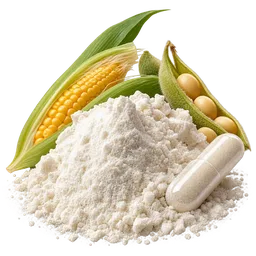
Our #1 pick
The most proven natural LDL-lowerer, with an FDA-backed dose
A 2025 meta-analysis of hyperlipidemic adults found that phytosterol-enriched foods significantly lowered both total cholesterol and LDL, with effects appearing within four weeks and strengthening over longer use.19 The dose-response curve is well-characterized across multiple meta-analyses spanning thousands of participants: about a 12% LDL reduction at 2 g per day, with diminishing returns above 3 g.20 The evidence base here is unusually deep, with over 30 individual trials contributing LDL data and consistent results across healthy adults, people with familial hypercholesterolemia, and those already on statins.30
Your doctor says your LDL is high and hands you a pamphlet about diet. You nod, walk out, and start Googling supplements. Sound familiar?
Cholesterol is one area where supplements genuinely can move the needle. Not by statin-level amounts, but enough to matter if you're in the borderline zone, statin-intolerant, or stacking lifestyle changes. The catch: most "heart health" supplements people grab off the shelf do almost nothing for LDL specifically. Fish oil, garlic, CoQ10, green tea extract. Great for other things. Not great for the number your cardiologist is actually watching.
What follows is ranked by the strength and depth of clinical evidence for lowering LDL and total cholesterol, not by marketing spend or Amazon reviews. We read the meta-analyses, checked the trial designs, and flagged where the evidence is stronger than it looks and where it's weaker.
#1 deep dive
Why Phytosterols (Plant Sterols and Stanols) takes the top spot
How it works
Phytosterols are structurally similar to cholesterol and compete with it for absorption in your gut. When you eat them with a meal, they physically block a portion of dietary and biliary cholesterol from entering your bloodstream, forcing your liver to pull more LDL out of circulation to compensate.1920
Best for
Anyone with mildly to moderately elevated LDL who wants a well-studied first step before or alongside medication. Also useful as add-on therapy for people already on statins who need further LDL reduction.
Watch out
People with sitosterolemia (a rare genetic condition causing elevated plant sterol absorption) should avoid phytosterols entirely. If you take ezetimibe, phytosterol absorption may be reduced, potentially limiting benefits.
Pro tip
Take with your largest meal of the day. Phytosterols need to be in your gut at the same time as cholesterol to compete for absorption. Spreading across two meals works even better.
Evidence by outcome
Brings down the cholesterol most linked with artery buildup.
It tracks a protein carried on many particles linked with plaque buildup.
Cuts the cholesterol carried in all plaque-forming particles: LDL, VLDL, and remnants.
A lower ratio between total and HDL cholesterol tracks with less artery risk.
Compares plaque-forming particles with protective ones.
Reduces the total amount of cholesterol circulating in your blood.
Targets Lp(a), a hard-to-change lipoprotein linked to artery and clot risk.
Breaks cholesterol into subtypes and particle sizes.
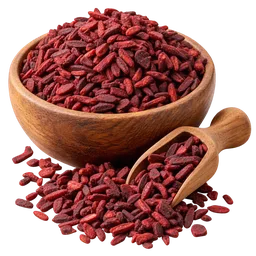
Red Yeast Rice
Proven benefit
A natural statin in supplement form, with real statin-level risks
A 2026 meta-analysis pooling RCTs with known monacolin K content found significant reductions in LDL, total cholesterol, and triglycerides.25 An earlier meta-analysis of over 6,600 participants estimated an LDL reduction around 1 mmol/L (roughly 39 mg/dL), which is comparable to low-dose prescription lovastatin.21 That same review noted that red yeast rice performed statistically similarly to statin therapy in head-to-head comparisons. The evidence also shows a modest HDL increase.22
Full breakdown
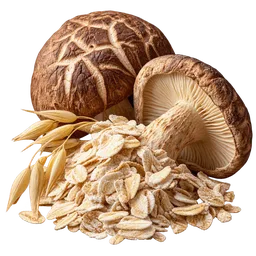
Beta-Glucans (Oat)
Proven benefit
The safest entry point: proven, gentle, and available in breakfast
A 2022 meta-analysis of 13 RCTs in hypercholesterolemic adults confirmed that oat beta-glucan significantly lowers both total cholesterol and LDL, though it did not meaningfully change triglycerides or HDL.27 A larger 2022 meta-analysis pooling 74 RCTs of oat supplementation found significant drops in total cholesterol, LDL, BMI, and blood glucose.28 The minimum effective dose for cholesterol appears to be around 3 g per day, with higher molecular weight beta-glucans performing better.
Full breakdown
Niacin (Vitamin B3)
Proven benefit
The broadest lipid modifier, but the flushing is real
Across 12 pooled trials, niacin consistently and substantially raised HDL, an effect larger than any other supplement we evaluated.9 It also lowers total cholesterol, LDL, non-HDL cholesterol, ApoB, and Lp(a), making it the broadest lipid modifier in the supplement space.1011 The Lp(a) reduction is particularly notable because very few interventions affect this marker at all.10 However, the cardiovascular outcomes story is complicated: large trials like AIM-HIGH and HPS2-THRIVE found that adding niacin to statin therapy did not reduce heart attacks or strokes, though niacin monotherapy trials from earlier decades showed benefit.
Full breakdown
Spirulina
Proven benefit
Surprisingly strong lipid data, gaining replication fast
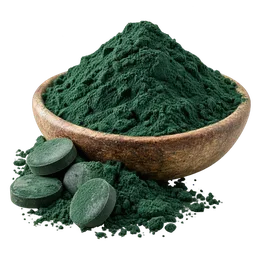
A 2023 GRADE-assessed meta-analysis pooling spirulina trials found significant reductions in LDL, total cholesterol, and triglycerides, with the evidence rated high certainty.16 The effect sizes are larger than most other supplements on this list, with expected LDL drops around 19 mg/dL and total cholesterol drops around 24 mg/dL over 12 weeks.15 That said, the trials tend to be smaller than phytosterol or beta-glucan studies, and some were conducted alongside exercise programs, which makes it harder to isolate spirulina's independent contribution.
Full breakdown
Ginger
Proven benefit
A kitchen staple with a real but modest cholesterol benefit
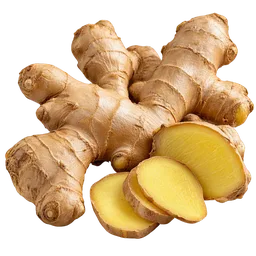
A 2016 meta-analysis found that ginger supplementation significantly reduced LDL cholesterol across pooled trials, alongside reductions in fasting glucose and inflammatory markers.9 Across 10 studies contributing LDL data, the expected drop is around 13 mg/dL over 12 weeks.12 The total cholesterol signal is weaker and inconsistent. An important caveat: many of the strongest ginger-cholesterol trials were conducted in people with type 2 diabetes or metabolic syndrome, so the benefit may be partly driven by improvements in insulin resistance rather than a direct cholesterol-lowering effect.
Full breakdown
What doesn't work
Save your money on these
Fish oil is genuinely excellent for triglycerides and overall cardiovascular risk, but for LDL specifically, the evidence is mixed at best. Across 21 LDL endpoints, the verdict is muddled, with some trials showing a slight increase and others a slight decrease. If your goal is lowering LDL, fish oil is the wrong tool.
Garlic is one of the most studied supplements for cholesterol, with 21 trials contributing LDL data. The problem is the effect size: the pooled LDL reduction is clinically trivial. You would barely see it move on a lipid panel. Garlic has better evidence for blood pressure and blood sugar.
CoQ10 is often recommended alongside statins to reduce muscle side effects, which has some support. But as a cholesterol-lowering agent on its own, the evidence is modest. It likely helps, but with 11 studies showing small LDL changes, it's not where you want to put your money if LDL is the target.
Nine studies contributing LDL data, and the effect is small enough to question whether it's clinically meaningful. Green tea extract has stronger evidence for blood sugar, body weight, and liver health. If cholesterol is your priority, look elsewhere.
Synergistic stacks
Combinations that work better together
The Cholesterol Foundation
Phytosterols + Oat Beta-Glucan
Two complementary mechanisms: phytosterols block cholesterol absorption while beta-glucans trap bile acids. Both are food-derived, well-tolerated, and work through different pathways in the gut.
The Broad Lipid Optimizer
Phytosterols + Niacin
Phytosterols target LDL directly while niacin adds HDL elevation, Lp(a) reduction, and non-HDL lowering. Covers more of the lipid panel than either alone.
Shortlist
A specific product for each pick
One well-dosed, cleanly-formulated option per ranked ingredient, from brands we've audited. Not sponsored.

For Phytosterols (Plant Sterols and Stanols)
Protocol For Life Balance Proto-Sitosterol Plant Sterol EstersWell dosed audit 86
For Beta-Glucans (Oat)
Swanson BetaRight Beta Glucan 250 mgWell dosed audit 69
For Niacin (Vitamin B3)
Life Extension Vitamin B3 Niacin 1000 mgWell dosed audit 90 Well dosed audit 54
For Ginger
Pure Encapsulations Ginger ExtractWell dosed audit 78
Buying guide
What to look for on the label
Form matters
- •Phytosterols need to be taken with food to work. Look for sterol-enriched spreads, yogurts, or capsules designed for mealtime use.
- •For red yeast rice, only buy products that state the monacolin K content per serving. Without this, you're guessing at the dose.
- •Oat beta-glucan supplements should specify the molecular weight or viscosity. Higher molecular weight means better gel formation and cholesterol binding.
- •Niacin comes in immediate-release, extended-release, and no-flush forms. Extended-release reduces flushing. No-flush (inositol hexanicotinate) may not deliver meaningful niacin at all.
Red flags
- •Red yeast rice products that don't disclose monacolin K content. The FDA has warned about inconsistent dosing across brands.
- •Spirulina without third-party testing for heavy metals and microcystins.
- •"No-flush niacin" marketed as equivalent to regular niacin. The flush is caused by the same pathway that improves lipids. No flush may mean no effect.
- •Proprietary blends that combine multiple cholesterol ingredients without disclosing individual doses.
Quality markers
- •Third-party testing (USP, NSF, ConsumerLab) is especially important for red yeast rice and spirulina where contamination risk is real.
- •Clinical doses matching what trials actually used: 2 g phytosterols, 3 g oat beta-glucan, 5-10 mg monacolin K.
- •Products that specify the active compound, not just the raw material weight.
The bottom line
The top tier here is phytosterols. They're the only supplement with an FDA-acknowledged dose-response relationship for LDL, backed by decades of replication across populations. Red yeast rice works because it literally contains a statin, and that's both its strength and its risk. Beta-glucans from oats are the gentlest entry point with the fewest downsides.
None of these replace statins for people who need them. If your LDL is above 190 or you have established cardiovascular disease, that conversation belongs with your doctor. But if you're in the gray zone between "fine" and "medicate," these six have actual trial data behind them, and that puts them miles ahead of most of the supplement aisle.
Frequently asked
Common questions
Can supplements replace statins for lowering cholesterol?
Is red yeast rice safer than a prescription statin?
How much can phytosterols actually lower my LDL?
Why isn't fish oil on this list? My doctor recommended it.
Does oatmeal actually lower cholesterol, or is that just marketing?
Related
Go deeper on the top picks
Standalone evidence guides for the supplements at the top of this ranking, plus systematic reviews and combination breakdowns.
Ingredient evidence
Ingredient evidence
NewPhytosterols
All scored outcomes
Aug 27, 2026
Evidence map
Metabolic health
NewMetabolic health: evidence map across 82 supplements
Evidence coverage map
Jul 30, 2026
Ingredient evidence
Ingredient evidence
NewRed Yeast Rice
All scored outcomes
Aug 27, 2026
Ingredient evidence
Ingredient evidence
NewBeta Glucans
All scored outcomes
Aug 27, 2026
Ranking
Colds and Upper Respiratory Infections
NewThe 7 Supplements That Actually Help You Catch Fewer Colds
Evidence ranking
Apr 4, 2026
Ranking
Blood Sugar Control
NewBest Supplements for Blood Sugar, Ranked by Clinical Evidence
Evidence ranking
Apr 4, 2026
Sources
- 1. Effect of crocin on plasma cholesteryl ester transfer protein and lipid profile in metabolic syndrome ↑
- 2. Effect of saffron supplementation on blood pressure and metabolic parameters ↑
- 3. Saffron supplementation and blood pressure in metabolic syndrome ↑
- 4. The effect of saffron on blood pressure in hypertension ↑
- 5. Effect of saffron supplementation on blood pressure ↑
- 6. Saffron supplementation and lipid profile ↑
- 7. Saffron supplementation and inflammation in metabolic syndrome ↑
- 8. Effect of saffron on waist circumference and lipids ↑
- 9. Effect of ginger supplementation on serum CRP, lipid profile and glycaemia: a meta-analysis ↑
- 10. Ginger supplementation and glycemic control in type 2 diabetes ↑
- 11. Effects of steamed ginger extract on weight and body fat loss ↑
- 12. Ginger supplementation and cardiometabolic risk in metabolic syndrome ↑
- 13. Effects of ginger on lipid profile and glycemic parameters in type 2 diabetes ↑
- 14. Ginger supplementation and metabolic parameters ↑
- 15. Ginger supplementation on metabolic syndrome ↑
- 16. Ginger supplementation on lipid profile and inflammation ↑
- 17. Ginger supplementation and glycemic/lipid outcomes ↑
- 18. Efficacy of steamed ginger extract for body weight and fat reduction ↑
- 19. Ginger supplementation on metabolic and cognitive outcomes ↑
- 20. Ginger supplementation and glycemic markers in type 2 diabetes ↑
- 21. Red yeast rice results in significant LDL reduction: systematic review and meta-analysis ↑
- 22. Effect of red yeast rice combined with antioxidants on lipid pattern ↑
- 23. Effect of dietary supplementation with phytosterols, red yeast rice or policosanol on lipid profile ↑
- 24. Lipid-lowering effects of nattokinase combined with red yeast rice ↑
- 25. Impact of Monacolin K-Containing Supplements on Lipid Profile: A Meta-Analysis ↑
- 26. Omega-3 fatty acids and cardiovascular risk markers ↑
- 27. Omega-3 supplementation and lipid profile ↑
- 28. Omega-3 fatty acids and metabolic outcomes ↑
- 29. Omega-3 supplementation and insulin resistance ↑
- 30. Omega-3 and plant sterols for glucose and lipid metabolism ↑
Generated April 4, 2026