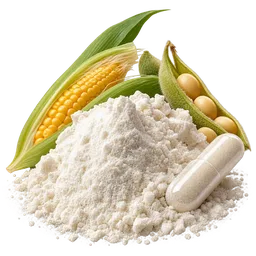
Phytosterols
Best for
Lower cholesterol
Proven benefit 3–52 weeks 6 meta-analyses, n=5.6k #1 of 97 studied
- 37 papers
- 2 of 54 outcomes
- 2 positive
- 1 major interaction
Phytosterols provide a proven benefit for lowering LDL cholesterol, with the strongest evidence supporting a moderate food-based add-on rather than replacement for medical treatment.
Median effective dose, most-studied outcomes
- Lower LDL cholesterol 2.3 g 3–52 wk
- Lower total cholesterol 2.263 g 3–52 wk
- Lower cholesterol in atherogenic particles 2 g 3–39 wk
Risk, worst reported severity
- Elevated CK level (moderate severity, phase 2) moderate
- Epilepsy (moderate severity, phase 2) moderate
- cholesterol-lowering medication major
- ezetimibe moderate
What phytosterols actually does
| Outcome | Effect | Evidence | Dose | Time | Rank |
|---|---|---|---|---|---|
| Clear benefits 1 | |||||
| Lower cholesterol Proven benefit High LDL cholesterol can build up in artery walls and raise the risk of heart disease. | | 6 meta-analyses 33 papers · n=5.6k | — | 3–52 wk | #1 /97 |
| Early research 1 | |||||
| Lower cholesterol absorption Not enough research Cholesterol absorption markers reflect cholesterol entering the body, which can affect blood cholesterol levels. | | 1 RCT 2 papers · n=— | 800–3200 mg | 4–6 wk | — |
Effect tiers come from native-unit MCID where available, Cohen's d otherwise.
Dose, timing & forms
How much
For lowering LDL cholesterol, the best-supported target sits around 2 g daily of phytosterols or plant stanols. Trials span a wider range, but the dose-response evidence shows that benefits rise with intake before leveling off, so more is not automatically better.1 Keep expectations practical: this is a moderate LDL-lowering tool, not a one-day cholesterol reset.1
When and how long
Take phytosterols every day with a meal, especially a meal that contains some fat and dietary cholesterol. Their job happens in the gut during digestion, so swallowing a dose far from food makes less practical sense than pairing it with breakfast, lunch, or dinner.1 Split doses can fit meals well, but consistency matters more than a perfect clock time. LDL changes in trials generally emerge after several weeks of daily intake.1
Forms & standardisation
Look for a label that clearly states the daily amount of plant sterols, phytosterols, or plant stanols, rather than only listing a proprietary blend. Fortified foods and supplements both appear in the research, and sterol and stanol forms both have evidence for LDL reduction.1 Products vary in how easily they mix into food, so a format you will actually take with meals is the smart choice.
Studied range, by outcome
| Outcome | Studied range | Median effective | Duration | Evidence |
|---|---|---|---|---|
| Lower LDL cholesterol | 0.45–6 g | 2.3 g | 3–52 wk | 33 papers 39 sig. endpoints |
| Lower total cholesterol | 0.45–6 g | 2.263 g | 3–52 wk | 29 papers 36 sig. endpoints |
| Lower cholesterol in atherogenic particles | 1.9–4 g | 2 g | 3–39 wk | 8 papers 6 sig. endpoints |
| Improve your cholesterol balance | — | 1,600 mg | 4–52 wk | 6 papers 6 sig. endpoints |
| Take up less cholesterol | 800–3,200 mg | 2,950 mg | 4–6 wk | 2 papers 1 sig. endpoint |
Adverse events and drug interactions
Safety events
Drug interactions
Recommended Phytosterols products
Real products that dose Phytosterols where the research does, in a clean formulation, from brands we've audited. We only list ones we'd stand behind.
-

Protocol For Life Balance
Proto-Sitosterol Plant Sterol Esters
Well dosed 2 g/day A formulaBrand audit 86/100
-

NOW
Beta-Sitosterol Plant Sterols
Well dosed 2 g/day A formulaBrand audit 87/100
-

BulkSupplements.com
Phytosterols
Well dosed 2,000 mg/day A formulaBrand audit 54/100
-

BulkSupplements.com
Beta-Sitosterol Phytosterols 1000 mg Capsules
Well dosed 1,000 mg/day A formulaBrand audit 54/100
-

Nature Made
CholestOff Plus
Well dosed 1,800 mg/day A formulaBrand audit 80/100
-

Nature Made
CholestOff Plus 450 mg
Well dosed 1,800 mg/day A formulaBrand audit 80/100
Chosen for adequate Phytosterols dosing vs. the studied range, a clean formulation (grade A–C), and independent brand-quality audits. Not sponsored.
What this is and how it works
- Across 33 studies (n=5,581), phytosterols lowered LDL cholesterol, with a continuous dose-response relationship.1
- The reviewed evidence spans 37 papers and 54 outcomes, with strongest support for harmful-cholesterol reduction.
- Consistent use with meals matters, and medication users should consult a prescriber before adding phytosterols.
Phytosterols are plant-made compounds with a structure similar to cholesterol. They naturally show up in foods such as nuts, seeds, legumes, whole grains, and vegetable oils, while fortified spreads, drinks, and supplements supply the larger daily amounts used in cholesterol trials. Plant stanols are a closely related form often grouped under the same umbrella.1
Phytosterols compete with cholesterol for space in the small intestine's absorption packages, like decoy passengers filling the seats before cholesterol reaches the gate. More cholesterol then leaves through the digestive tract instead of entering circulation, and the liver pulls more LDL cholesterol from the blood to replace what it loses.1
Bottom line
Phytosterols are a solid option if you want a food-based, evidence-backed way to lower LDL cholesterol and can use them consistently with meals.1 They suit people looking for a moderate add-on, not anyone expecting a supplement to replace medical cholesterol care. If you use cholesterol-lowering medication, particularly ezetimibe, ask your prescriber or pharmacist before adding them.
Co-studied with
 Fishoil16 shared
· d=0.61
Fishoil16 shared
· d=0.61 Ricebran11 shared
· d=0.70
Ricebran11 shared
· d=0.70- Sunfloweroil5 shared · d=0.15
 Cocoa2 shared
· d=0.87
Cocoa2 shared
· d=0.87
Common questions
Do phytosterols really lower LDL cholesterol?
How long do phytosterols take to work?
Are plant sterols and plant stanols the same thing?
Can you get enough phytosterols from regular food?
Sources
Sources
Generated August 27, 2026
Related
More evidence for Phytosterols
Ranking
High LDL and Total Cholesterol
NewBest Supplements to Lower LDL and Total Cholesterol
Evidence ranking
Apr 4, 2026
Evidence map
Metabolic health
NewMetabolic health: evidence map across 82 supplements
Evidence coverage map
Jul 30, 2026
Ingredient evidence
Ingredient evidence
NewArtichoke
All scored outcomes
Aug 27, 2026
Ingredient evidence
Ingredient evidence
NewAsian Psyllium
All scored outcomes
Aug 27, 2026
Ingredient evidence
Ingredient evidence
NewAvocado
All scored outcomes
Aug 27, 2026
Ingredient evidence
Ingredient evidence
NewBarberry (Berberis spp.)
All scored outcomes
Aug 27, 2026