Best Supplements for Blood Pressure, Ranked by Clinical Evidence
130 supplements · 6 outcomes · 311 trials
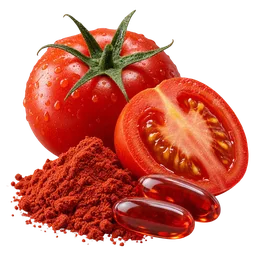
Our #1 pick
The tomato pigment with the deepest blood pressure evidence
A 2026 umbrella review pooling data from multiple meta-analyses confirmed that lycopene lowers both systolic and diastolic blood pressure, with the strongest effects in people whose pressure is already elevated.7 An earlier meta-analysis of intervention trials found the benefit was dose-dependent, with higher intakes producing larger reductions, and more pronounced in populations from East Asia.2 An important nuance: the effect is more consistent for systolic pressure (the top number) than diastolic. The best-designed RCT specifically for blood pressure used 15 mg daily in people with borderline hypertension and showed a clear reduction.4
Blood pressure is one of those things where a few points matter enormously. The difference between 138/88 and 132/82 doesn't sound dramatic, but it shifts your cardiovascular risk profile in a real way. And unlike most supplement claims, blood pressure is one of the easiest things to measure objectively: you put on a cuff, you get a number, and either it dropped or it didn't.
That makes blood pressure one of the best-studied endpoints in supplement research. There are hundreds of randomized, placebo-controlled trials measuring systolic and diastolic pressure with a cuff, not a questionnaire. The data is unusually clean for the supplement world.
The catch: many of the supplements that show up in "heart health" formulas don't have meaningful blood pressure evidence, while some of the best performers are ingredients you'd never associate with cardiovascular health. Lycopene, the pigment that makes tomatoes red, has a deeper evidence base for blood pressure than most dedicated heart supplements. Taurine, usually sold for energy drinks, has direct vascular trials showing it relaxes blood vessels and lowers pressure.
This ranking is based on clinical evidence in humans, prioritizing meta-analyses and well-designed RCTs. The effect sizes here are modest by pharmaceutical standards, but for people with borderline or mildly elevated pressure, some of these can be the difference between "let's monitor it" and "we need to start medication."
One important note: if your blood pressure is consistently above 140/90, these supplements are not a substitute for medication. They work best as part of a broader strategy that includes diet, exercise, and stress management, or as an add-on for people already on treatment who want to optimize further.
#1 deep dive
Why Lycopene takes the top spot
How it works
Lycopene is a potent antioxidant carotenoid that accumulates in vascular tissue. It appears to improve blood vessel flexibility by reducing oxidative damage to the endothelial lining, which helps arteries relax and dilate properly.12 A 2022 trial in heart failure patients found it significantly improved flow-mediated dilation, a direct measure of how well vessels expand when blood flow increases.5
Best for
People with borderline-high or mildly elevated systolic blood pressure who want to avoid or delay medication. The evidence is strongest when baseline pressure is already above normal. Healthy people with already-normal readings shouldn't expect dramatic changes.
Watch out
Avoid high-dose supplementation if you drink heavily. Animal data suggests high-dose lycopene combined with chronic alcohol intake may increase liver inflammation.1 Standard dietary or supplement doses in non-drinkers have an excellent safety profile.
Pro tip
Lycopene is fat-soluble, so absorption improves dramatically when taken with a meal containing fat. Cooked tomato products (sauce, paste) deliver more bioavailable lycopene than raw tomatoes, but a supplement bypasses the food matrix issue entirely.
Evidence by outcome
The pressure in your arteries when your heart contracts.
The pressure in your arteries between heartbeats.
Taurine
Proven benefit
Relaxes blood vessels from the inside, not just the numbers
A 2024 meta-analysis of 20 RCTs found taurine significantly lowered systolic and diastolic blood pressure, resting heart rate, and improved heart function markers.11 The strongest direct evidence comes from a 2016 RCT in 120 prehypertensive adults, where 1.6 g daily dropped clinic systolic pressure by about 7 points and diastolic by nearly 5, with 24-hour ambulatory monitoring confirming the effect wasn't just a clinic artifact.8 A 2025 RCT in 165 people with type 2 diabetes found similar systolic reductions alongside improvements in arterial stiffness and endothelial function.12 Taurine also has strong evidence for metabolic outcomes: insulin resistance, blood sugar, and body weight, which matter because metabolic syndrome and hypertension often travel together.10
Full breakdown
Quercetin
Proven benefit
A plant flavonoid with a clean meta-analysis behind it
A 2016 meta-analysis of six randomized controlled trials confirmed quercetin significantly lowers both systolic and diastolic blood pressure.19 In a well-designed crossover trial with 93 overweight adults at high cardiovascular risk, just 150 mg daily lowered systolic pressure and reduced oxidized LDL, a key driver of arterial damage.14 A trial in women with rheumatoid arthritis found quercetin lowered CRP (an inflammation marker) alongside blood pressure improvements, suggesting it works partly through anti-inflammatory pathways.17 The diastolic effect is actually slightly stronger than systolic in the pooled data, which is unusual for supplements in this category.
Full breakdown
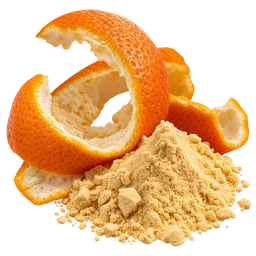
Hesperidin
Proven benefit
The citrus flavonoid hiding in your orange juice
A 2024 meta-analysis pooling data from randomized trials found hesperidin significantly lowered systolic blood pressure and triglycerides.21 However, it showed no effect on diastolic pressure, which limits its usefulness for people whose bottom number is the main concern.22 A 2024 meta-analysis of citrus flavanone extracts confirmed the systolic finding but noted the evidence base is still relatively small, with most trials lasting under 12 weeks.22 The effect size is real but modest, ranking below lycopene, taurine, and quercetin.
Full breakdown
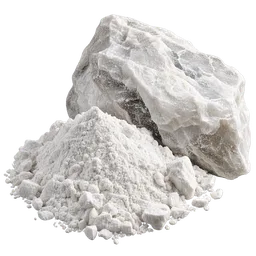
Calcium
Proven benefit
A small systolic nudge, mostly for people who are deficient
A Cochrane systematic review found calcium supplementation produces a small but statistically significant reduction in systolic blood pressure, with less consistent effects on diastolic.25 The effect is strongest in people with low baseline calcium intake, particularly pregnant women, where it also reduces the risk of preeclampsia.2728 In populations with adequate calcium intake, the effect shrinks considerably. A systematic review of calcium-fortified foods confirmed the systolic benefit but noted it was small enough that some individual trials found nothing.30
Full breakdown
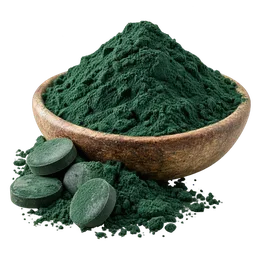
Spirulina
Proven benefit
A metabolic multitasker that also nudges blood pressure
A 2021 meta-analysis of RCTs found spirulina lowered systolic blood pressure by about 4.6 mmHg and diastolic by about 7 mmHg, with the strongest effects in people who already had hypertension.13 But spirulina's real story is broader: it has some of the strongest evidence of any supplement for lowering triglycerides, LDL, total cholesterol, and fasting blood sugar, with multiple meta-analyses confirming each.13 A 2025 RCT in healthy older adults found blood pressure benefits only in those with high-normal baseline pressure, not in the overall group, reinforcing that the effect is most relevant for people whose numbers are already trending high.
Full breakdown

Saffron
Proven benefit
Better known for mood, with a quiet cardiovascular signal
Six trials have measured blood pressure as an endpoint during saffron supplementation, and the pooled direction favors a small reduction in both systolic and diastolic pressure.13 However, this wasn't the primary question any of these trials were designed to answer, and individual trial results are inconsistent. Some found significant reductions, others found nothing. The most interesting thing about saffron isn't the blood pressure data itself but the broader anti-inflammatory profile. It has strong evidence for reducing TNF-alpha and for PMS symptom relief, and moderate evidence for mood improvement. The blood pressure effect may be downstream of the anti-inflammatory activity.
Full breakdown
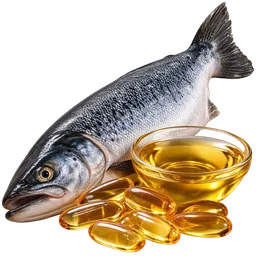
Fish Oil (Omega-3)
Proven benefit
The most popular cardiovascular supplement, with modest BP results
Fish oil lowers blood pressure, but the effect is small relative to its other cardiovascular benefits. Pooled trial data shows significant reductions in both systolic and diastolic pressure, but the magnitude is less impressive than what lycopene, taurine, or quercetin achieve at their respective doses.13 Where fish oil shines is the broader cardiovascular package: it dramatically lowers triglycerides, reduces inflammation (TNF-alpha), improves body composition, and has evidence for reducing childhood allergy and asthma risk when taken prenatally. For blood pressure specifically, it's a nice-to-have rather than a reason-to-buy.
Full breakdown
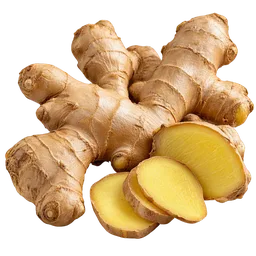
Ginger
Proven benefit
A kitchen staple with a small but real vascular benefit
The pooled evidence shows ginger lowers both systolic and diastolic blood pressure, with a slightly stronger effect on the diastolic side. The evidence base is smaller than lycopene or taurine, with the BP data coming from just two to three trials.13 Ginger's broader metabolic profile is more impressive: it has strong evidence for lowering LDL cholesterol, reducing fasting insulin, and easing pain and inflammation. The blood pressure effect may be partly mediated through these metabolic improvements rather than direct vascular action.
Full breakdown
What doesn't work
Save your money on these
The algorithm ranked ginkgo highly because of a large trial with 3,069 participants, but the actual result of that trial was negative: ginkgo did not lower blood pressure or prevent hypertension over six years of follow-up. The second study in the dataset is a protocol paper with no results. Ginkgo has legitimate cognitive benefits, but buying it for blood pressure is buying it for something it was specifically tested for and failed at.
Hawthorn is heavily marketed as a heart and blood pressure supplement, and it does have real cardiovascular effects for heart failure patients. But clinical evidence on blood pressure specifically suggests it may actually raise both systolic and diastolic readings rather than lower them. The mechanism that helps weak hearts pump harder (positive inotropic effect) can translate to higher pressure in people without heart failure.
Ashwagandha is excellent for stress, cortisol, and sleep. But the blood pressure data is thin: very low confidence scores for both systolic and diastolic pressure, and one study even found it amplified short-term blood pressure spikes. Don't buy it for blood pressure. If stress reduction happens to lower your pressure as a side effect, that's a bonus, not a reason to choose it over supplements with direct vascular evidence.
Berberine has genuine metabolic benefits for blood sugar and cholesterol, which is why it shows up in cardiovascular supplement blends. But the blood pressure evidence is weak: low-confidence data from small trials that haven't been replicated. If your blood pressure is elevated because of metabolic syndrome, berberine might help indirectly by improving your metabolic health, but don't expect it to lower your readings the way lycopene or taurine will.
Synergistic stacks
Combinations that work better together
The Vascular Foundation
Lycopene + Taurine
Lycopene works through antioxidant protection of the vessel lining, while taurine works through hydrogen sulfide signaling and direct vasodilation. Different mechanisms, no absorption competition, and both have strong independent evidence.
The Metabolic Reset
Spirulina + Fish Oil
For people with metabolic syndrome where blood pressure is just one of several elevated markers. Spirulina covers cholesterol, blood sugar, and pressure. Fish oil adds triglyceride reduction, anti-inflammatory effects, and a modest additional BP benefit.
The Anti-Inflammatory Angle
Quercetin + Ginger
Both lower blood pressure partly through anti-inflammatory pathways but via different molecular targets. Quercetin tackles vascular adhesion molecules and oxidized LDL; ginger inhibits cyclooxygenase-driven vasoconstriction. Useful if inflammation is a driver of your elevated readings.
Shortlist
A specific product for each pick
One well-dosed, cleanly-formulated option per ranked ingredient, from brands we've audited. Not sponsored.

For Lycopene
NOW Lycopene 10 mgWell dosed audit 87
For Taurine
NutraBio Taurine 1000 mgWell dosed audit 90
For Quercetin
Carlson Quercetin 500 mgWell dosed audit 83
For Hesperidin
Nootropics Depot Hesperidin PowderWell dosed audit 87
For Calcium
NOW Calcium Carbonate Pure PowderWell dosed audit 87 Well dosed audit 54
For Saffron
Swanson Saffron ExtractWell dosed audit 69
For Fish Oil (Omega-3)
NOW Beta-Sitosterol Plant SterolsWell dosed audit 87
Buying guide
What to look for on the label
Form matters
- •Lycopene is fat-soluble. Softgels with an oil base or taking capsules with a fatty meal significantly improves absorption compared to dry powder.
- •Taurine is water-soluble and well-absorbed as a simple powder or capsule. No special formulation needed. Pure taurine is cheap and effective.
- •Quercetin has poor native bioavailability. Look for phytosome or lipid-encapsulated forms, or take with a fat-containing meal.
- •Fish oil quality matters for purity. Look for products tested by third-party labs (IFOS, NSF, USP) that list EPA/DHA content separately, not just total fish oil weight.
- •Spirulina quality varies enormously. Only buy from manufacturers who publish third-party testing for microcystins, heavy metals (lead, arsenic, mercury), and bacterial contamination.
Red flags
- •Proprietary blends that don't list individual ingredient doses. For blood pressure specifically, dose matters: 5 mg of lycopene does nothing while 15 mg works.
- •'Heart health formula' products that combine ten ingredients at sub-therapeutic doses. Better to take one or two proven ingredients at the dose that was actually studied.
- •Products claiming to 'normalize' or 'balance' blood pressure. Blood pressure supplements lower pressure, period. They don't know what your target is.
Quality markers
- •Third-party testing certification (NSF, USP, ConsumerLab, or IFOS for fish oil). This confirms the product contains what it claims and is free of contaminants.
- •Doses that match clinical trial protocols. If the trials used 15 to 25 mg of lycopene and the product contains 5 mg, it's underdosed.
- •Transparent labeling that lists active ingredient amounts, not just total weight of a blend or extract.
The bottom line
The honest takeaway from the blood pressure supplement data is that nothing here replaces the basics: reducing sodium, exercising regularly, managing stress, and losing weight if you need to. Those interventions move the needle 5 to 15 points on systolic pressure, which dwarfs what any supplement can do.
But for people who are already doing those things and still running borderline, or for people on medication who want to squeeze out a few more points, there are real options here. Lycopene has the most consistent evidence, especially if your pressure is already elevated. Taurine is the most interesting newer finding, with direct vascular benefits beyond just the numbers. Quercetin and spirulina round out the top tier with solid meta-analytic support.
Match your pick to your situation. Already taking a statin? Lycopene gives you cardiovascular benefits through a completely different pathway. Dealing with blood sugar issues alongside blood pressure? Taurine addresses both. Looking for something with broad metabolic benefits? Spirulina covers cholesterol, blood sugar, and pressure in one go.
And whatever you choose, give it time. Blood pressure supplements typically need 8 to 12 weeks to show their full effect. Check your numbers at home with a validated monitor, and track consistently at the same time of day.
Frequently asked
Common questions
Can supplements replace blood pressure medication?
How long do blood pressure supplements take to work?
Why isn't magnesium on this list?
Does CoQ10 lower blood pressure?
Is garlic effective for blood pressure?
Should I take all of these at once?
Related
Go deeper on the top picks
Standalone evidence guides for the supplements at the top of this ranking, plus systematic reviews and combination breakdowns.
Ingredient evidence
Ingredient evidence
NewLycopene
All scored outcomes
Aug 27, 2026
Evidence guide
Lycopene
NewThe Red Thread: How a Cooked Tomato Rewrote the Lycopene Story
Evidence guide
Mar 28, 2026
Ingredient evidence
Ingredient evidence
NewTaurine
All scored outcomes
Aug 27, 2026
Evidence guide
Taurine
NewThe Quiet Power in the Energy-Drink Molecule: How Taurine Calms, Protects, and (Maybe) Slows the Clock
Evidence guide
Apr 2, 2026
Ranking
Blood Sugar Control
NewBest Supplements for Blood Sugar, Ranked by Clinical Evidence
Evidence ranking
Apr 4, 2026
Evidence map
Focus & memory
NewFocus & memory: evidence map across 45 supplements
Evidence coverage map
Jul 30, 2026
Sources
- 1. Protective effect of lycopene on serum cholesterol and blood pressure: Meta-analyses of intervention trials ↑
- 2. Lycopene supplement and blood pressure: an updated meta-analysis of intervention trials ↑
- 3. Effects of oral lycopene supplementation on vascular function in patients with cardiovascular disease and healthy volunteers: a randomised controlled trial ↑
- 4. Effect of Tomato Nutrient Complex on Blood Pressure: A Double Blind, Randomized Dose-Response Study ↑
- 5. Effect of Lycopene Supplementation on Cardiovascular Risk Factors and Markers of Endothelial Function in Iranian Patients with Ischemic Heart Failure ↑
- 6. Antioxidant Lipid Supplement on Cardiovascular Risk Factors: A Systematic Review and Meta-Analysis ↑
- 7. Role of lycopene from tomato on cardiovascular risk: an umbrella review of systematic reviews and meta-analyses ↑
- 8. Taurine Supplementation Lowers Blood Pressure and Improves Vascular Function in Prehypertension ↑
- 9. The effects of taurine supplementation on diabetes mellitus in humans: A systematic review and meta-analysis ↑
- 10. Taurine reduces the risk for metabolic syndrome: a systematic review and meta-analysis of randomized controlled trials ↑
- 11. Insights into the cardiovascular benefits of taurine: a systematic review and meta-analysis ↑
- 12. Taurine ameliorates blood pressure and vascular function in patients with type 2 diabetes ↑
- 13. Serum taurine and risk of coronary heart disease: a prospective, nested case-control study ↑
- 14. Quercetin reduces systolic blood pressure and plasma oxidised LDL concentrations in overweight subjects with a high-cardiovascular disease risk phenotype ↑
- 15. Effects of daily quercetin-rich supplementation on cardiometabolic risks in male smokers ↑
- 16. Does Quercetin Improve Cardiovascular Risk factors and Inflammatory Biomarkers in Women with Type 2 Diabetes ↑
- 17. The effect of quercetin on plasma oxidative status, C-reactive protein and blood pressure in women with rheumatoid arthritis ↑
- 18. Effects of a quercetin-rich onion skin extract on 24 h ambulatory blood pressure and endothelial function in overweight-to-obese patients with (pre-)hypertension ↑
- 19. Effects of Quercetin on Blood Pressure: A Systematic Review and Meta-Analysis of Randomized Controlled Trials ↑
- 20. Orange juice-derived flavanone and phenolic metabolites do not acutely affect cardiovascular risk biomarkers ↑
- 21. Effect of hesperidin on blood pressure and lipid profile: A systematic review and meta-analysis of randomized controlled trials ↑
- 22. Effects of Citrus Flavanone Hesperidin on Risk Factors for Cardiovascular Disease: An Updated Meta-analysis of Randomized Controlled Trials ↑
- 23. Effect of Ginkgo biloba on blood pressure and incidence of hypertension in elderly men and women ↑
- 24. A randomized, open-label clinical trial in mild cognitive impairment with EGb 761 examining blood markers of inflammation and oxidative stress ↑
- 25. Calcium supplementation for the management of primary hypertension in adults ↑
- 26. Effects of calcium supplementation on body weight and adiposity in overweight and obese adults ↑
- 27. Effects of calcium and vitamin D supplementation on blood pressure and serum lipids and carotenoids ↑
- 28. Randomized, placebo-controlled, calcium supplementation trial in pregnant Gambian women ↑
- 29. The effect of calcium supplementation on blood pressure in non-pregnant women with previous pre-eclampsia ↑
- 30. Effect of Calcium Fortified Foods on Health Outcomes: A Systematic Review and Meta-Analysis ↑
Generated April 4, 2026