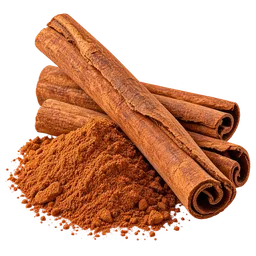
The scent that launched ships
European crowns once chased cinnamon across oceans. The Portuguese seized Ceylon (Sri Lanka); the Dutch followed, tightening a monopoly so absolute that one captain bragged you could smell cinnamon eight leagues out to sea. By the 1800s, British rule and new plantings ended the chokehold, but the island's "true" cinnamon—Cinnamomum verum—remained legend. 2,3
From spice rack to clinic
Fast-forward to modern clinics where researchers noticed something peculiar: the dessert spice seemed to nudge blood sugar in the right direction for some people. Yet when they pooled the evidence, clarity slipped away like steam from mulled cider.
- A 2013 meta-analysis of 10 randomized trials found cinnamon lowered fasting glucose and several blood lipids, but not the long-term marker HbA1c—and results varied widely. 5
- A 2019 review echoed the theme: fasting glucose fell, while HbA1c changes were small or uncertain. 6
- A newer 2023 dose-response meta-analysis, combining 24 trials, did report statistically significant reductions in fasting glucose, insulin resistance, and even HbA1c—suggesting dose and duration might matter. 7
- Meanwhile, the rigorous Cochrane review—focused on study quality and hard outcomes—concluded there's still insufficient evidence to recommend cinnamon to treat diabetes. 4
What does that feel like in a clinic? In one U.S. trial across military primary-care clinics, 1 gram daily of cinnamon over 90 days shaved HbA1c more than usual care alone in adults with type 2 diabetes. It wasn't a cure, but it was measurable. 8
A scientist's hunch—and what it really means
At the USDA, chemist Richard Anderson spent years hunting the active "characters" in cinnamon. He and colleagues found water-soluble polyphenols that make cells listen to insulin's knock more readily—akin to oiling a sticky lock. As he put it, "These new compounds increase insulin sensitivity." 16 And yet, as University of Georgia nutrition scientist Connie Rogers cautions, cinnamon isn't a stand-in for proven care: "It's certainly not recommended to replace diet, exercise and any pharmacological treatment.. for a clinical condition like diabetes." 1
The paradox in the pantry: same name, different bark
Here's where the label matters. Cassia cinnamon (the most common in U.S. supermarkets) naturally contains coumarin, a compound that can stress the liver in high, chronic intakes. Ceylon (Cinnamomum verum)—sometimes sold as "true" or "Sri Lankan" cinnamon—has far less. European regulators set a tolerable daily intake for coumarin at 0.1 mg per kilogram of body weight per day to keep habitual exposure in a safe range. Analyses show cassia products can contain far more coumarin than Ceylon. 10,11
That difference isn't theoretical. Consider a real case: a 73-year-old woman arrived at the ER with acute hepatitis after adding a cinnamon supplement to her routine while on a statin. Stopping both reversed the injury; restarting the statin alone caused no issue—pointing the finger at the cinnamon product (and its coumarin) as the likely culprit. 12
Another modern twist: when spice meets supply chain
In late 2023, U.S. health agencies tracked an outbreak of high blood lead levels in toddlers. The culprit wasn't cinnamon itself but a contaminated cinnamon-applesauce pouch—an import where ground cinnamon had been adulterated, according to FDA's investigation. The episode ended in recalls and import alerts, a stark reminder that safety also rides on sourcing. 13,14
What the newest trials are exploring
Researchers are now testing everyday amounts of specific species with continuous glucose monitors to catch subtle effects. In a 2024 crossover trial in adults with obesity and prediabetes, four weeks of Indonesian cinnamon (C. burmannii) modestly improved glucose profiles versus placebo—promising, but still not a prescription. 15
How to use the wisdom without the wishful thinking
- Think of cinnamon as a flavor-forward nudge, not a lever. It may help fasting sugar within a month or two in some people, but results are mixed for long-term HbA1c.
- If you use it regularly, choose Ceylon to minimize coumarin exposure; for capsules or extracts, look for species, dose, and third-party testing on the label. 9,10,11
- Keep medications the mainstay. As Rogers notes, cinnamon should never replace proven therapies or lifestyle changes tailored to you. 1
- Be sourcing-savvy for kids' foods and imported products; check FDA/CDC advisories when recalls hit. 13,14
The bigger picture
Cinnamon's story compresses centuries: empire-shaping desire, kitchen alchemy, biochemical intrigue, and the humbling details of species, dose, and supply chains. The evidence today suggests cinnamon can be a useful, fragrant adjunct—especially for fasting glucose—while the strongest tools for diabetes remain nutrition patterns, movement, sleep, and medicines when needed. The spice can join the orchestra; it shouldn't be asked to play solo. 4,5,6,7,15
Cinnamon's lesson is old and new at once: simple things are rarely simple. A bark that once moved empires can season a modern plate—and perhaps modestly steady a wandering glucose line—if we respect the details of species, dose, and source. It's a spice, not a shortcut; a companion, not a cure.