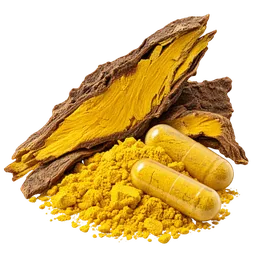
Berberine for Metabolic Health: A Systematic Evidence Review
Does berberine improve blood sugar, insulin sensitivity, and cholesterol in adults?
Evidence summary
Berberine delivers a likely strong benefit for blood sugar control in adults with hyperglycemia or type 2 diabetes, lowering fasting glucose, HbA1c, and post-meal glucose.
- Across 4 studies (n=9,342), berberine improved postprandial glucose response, the strongest blood-sugar signal.3
- Fasting blood glucose improved in 3 studies (n=14,927), and HbA1c improved in 4 studies (n=10,648).
- Several studies paired berberine with probiotics, so combination effects blur berberine-only attribution.
What we found
Berberine is most likely to help with blood sugar, not to dramatically change cholesterol.
Across the studies reviewed here, the best-supported effects were lower fasting glucose, lower HbA1c, and better post-meal glucose control.13910 Cholesterol and triglycerides often improved too, but usually by smaller amounts, and HDL, the so-called protective cholesterol, did not meaningfully improve.24712
The evidence does not strongly support the idea that berberine works by making your pancreas pump out more insulin all the time.56 It seems more likely to improve how the body handles glucose overall.
If you are considering berberine for metabolic health, the clearest reason is blood sugar support. Expect a moderate improvement if it works for you, not a miracle, and do not count on it as a major cholesterol solution.
Introduction
Berberine is usually marketed as a broad metabolic supplement, but the practical question is narrower: does it meaningfully improve blood sugar, insulin handling, and cholesterol in adults? That matters because many metabolic products show dramatic mechanistic claims while delivering changes too small, too inconsistent, or too population-specific to matter in day-to-day health decisions.
The current analysis gives a fairly clear answer. Berberine demonstrates its strongest effects on glucose control, especially fasting glucose and HbA1c, with post-meal glucose improving in the same direction.13910 The insulin-pathway story is more tentative, which means the clinical result is clearer than the mechanism. Lipids also tend to improve, but the pattern is best described as broad and modest rather than dramatic.24712
That distinction is important. If the goal is better glycemic control, berberine has a stronger case. If the goal is major cholesterol lowering, the evidence reviewed here suggests more of a nudge than a transformation. And if the goal is understanding exactly how it works, the data are still catching up to the clinical signal.
Evidence 1 of 3
Glucose control is the clearest benefit
Berberine demonstrates the clearest benefit on blood sugar control, and this is the main reason it stands out among metabolic supplements.13910 In the pooled analysis, fasting glucose fell by about 9.7 mg/dL on average, which is just above a commonly used threshold for a clinically meaningful change, and HbA1c fell by about 0.6 percentage points, also above the usual 0.5-point benchmark that clinicians generally regard as worth noticing. The summary effect sizes were positive for fasting glucose and HbA1c, but the more realistic guide is probably the median study effect, which was modest rather than dramatic. That matters because the very biggest gains tended to come from tiny pilot trials, while larger trials showed smaller, steadier improvements.
The trial-level evidence supports that more grounded interpretation.13910 In newly diagnosed hyperglycemia, berberine 500 mg twice daily lowered fasting glucose by 0.50 mmol/L, about 9 mg/dL, over 16 weeks, and the combination with Bifidobacterium lowered it by 0.55 mmol/L, about 10 mg/dL.3 In inadequately controlled type 2 diabetes, berberine ursodeoxycholate lowered fasting glucose by 13.0 to 18.4 mg/dL over 12 weeks, depending on dose, with parallel HbA1c reductions of 0.4 to 0.7 percentage points versus placebo.10 In the large PREMOTE study, standard berberine lowered HbA1c by 0.40 percentage points more than placebo over 12 weeks, and the berberine plus probiotic arm lowered it by 0.44 points.1 Those are not cosmetic shifts. They are the kind of changes that can move someone from clearly worse control to meaningfully better control, even if they do not normalize metabolism on their own.
Post-meal glucose appears to improve as well, and in some settings the effect may be larger than the fasting effect.3910 The pooled average was about 20.9 mg/dL lower, more than twice the benchmark often used for a meaningful fasting-glucose change, although this endpoint had lower certainty overall. Individual trials were directionally consistent: 2-hour postprandial glucose fell by 1.37 mmol/L, about 25 mg/dL, with berberine alone and by 1.59 mmol/L, about 29 mg/dL, with berberine plus Bifidobacterium in adults with newly diagnosed hyperglycemia.3 In prediabetes, 2-hour OGTT glucose was 8.12 mmol/L with berberine versus 9.68 mmol/L with placebo after 12 weeks, a gap of about 1.56 mmol/L, or 28 mg/dL.9 A 12-week diabetes trial also found lower 30-minute postprandial glucose by 13.4 to 16.6 mg/dL, depending on dose.10
The main caution is that the direction of benefit is more dependable than the exact size.13910 Heterogeneity, usually summarized as I-squared, estimates how much studies disagree beyond random chance. Here it was very high for fasting glucose, HbA1c, and post-meal glucose, around 80 to 90 percent, which means the average benefit is credible but the result is not equally sized across all populations, doses, and study designs. Prediction intervals also crossed no effect, meaning some future trials, or some patient groups, could show little benefit even when the average result stays positive. Put simply, berberine reliably looks like a glucose-lowering supplement, but not everyone should expect the headline result from the best-performing study.
What this means
Berberine shows its strongest value as a blood-sugar supplement. A typical benefit looks moderate and noticeable, especially for fasting glucose and HbA1c, but expectations should center on steady improvement rather than dramatic reversal.
Fasting Plasma Glucose
Proven benefit Strong · 75Proven benefit
- J 2021: Cohen's d 0.45 (95% CI 0.10 to 0.80) , n=148.
- A 2023: Cohen's d 2.20 (95% CI 1.35 to 3.05), beyond the visible axis , Cobas Integra 400 Roche automatic biochemical analyzer , n=34.
- L 2025: Cohen's d 0.47 (95% CI -0.01 to 0.96) , Fasting plasma glucose , n=67.
- Pooled random-effects Cohen's d 0.94 (95% CI 0.13 to 1.76).
▸ GRADE Assessment
| Domain | Rating | Reason |
|---|---|---|
| Risk of bias | No concern | 15 papers, majority low risk |
| Inconsistency | Serious | I²=90% (> 75%) |
| Imprecision | No concern | N=14927 meets OIS=400 |
| Publication bias | Serious | Egger's p=0.000, funnel asymmetry detected (k=12) |
| Indirectness | No concern | deferred to Phase 2 (#1546) |
| Overall certainty | Moderate | |
Certainty is graded across the five GRADE domains, each able to downgrade the rating. How we grade evidence →
Glycated Hemoglobin (HbA1c)
Likely helps Strong · 74Likely benefit
- Y 2020: Cohen's d 0.12 (95% CI -0.16 to 0.40) , VARIANT II HPLC , n=201.
- L 2025: Cohen's d 0.15 (95% CI -0.33 to 0.63) , HbA1c , n=67.
- A 2023: Cohen's d 2.90 (95% CI 1.94 to 3.86), beyond the visible axis , Cobas Integra 400 Roche automatic biochemical analyzer / Cobas HbA1c assay (NGSP-certified per methods) , n=34.
- S 2021: Cohen's d 0.77 (95% CI 0.24 to 1.31) , laboratory assay (HbA1c) , n=58.
- Pooled random-effects Cohen's d 0.87 (95% CI 0.05 to 1.68).
▸ GRADE Assessment
| Domain | Rating | Reason |
|---|---|---|
| Risk of bias | No concern | 11 papers, majority low risk |
| Inconsistency | Serious | I²=80% (> 75%) |
| Imprecision | No concern | N=10648 meets OIS=400 |
| Publication bias | Serious | Egger's p=0.000, funnel asymmetry detected (k=11) |
| Indirectness | No concern | deferred to Phase 2 (#1546) |
| Overall certainty | Moderate | |
Certainty is graded across the five GRADE domains, each able to downgrade the rating. How we grade evidence →
Postprandial Glucose Response
Likely helps Good · 50Likely strong benefit
- J 2021: Cohen's d 0.41 (95% CI 0.07 to 0.76) , n=148.
- A 2023: Cohen's d 3.32 (95% CI 2.29 to 4.36), beyond the visible axis , Cobas Integra 400 Roche automatic biochemical analyzer , n=34.
- L 2025: Cohen's d 0.37 (95% CI -0.11 to 0.85) , 0.5-h postprandial plasma glucose , n=67.
- J 2021: Cohen's d 0.12 (95% CI -1.12 to 1.36) , Automated clinical analyzers (Quest Diagnostics) , n=10.
- Pooled random-effects Cohen's d 1.00 (95% CI 0.01 to 1.99).
▸ GRADE Assessment
| Domain | Rating | Reason |
|---|---|---|
| Risk of bias | No concern | 12 papers, majority low risk |
| Inconsistency | Serious | I²=82% (> 75%) |
| Imprecision | No concern | N=9342 meets OIS=400 |
| Publication bias | Serious | Egger's p=0.000, funnel asymmetry detected (k=12) |
| Indirectness | No concern | deferred to Phase 2 (#1546) |
| Overall certainty | Low | |
Certainty is graded across the five GRADE domains, each able to downgrade the rating. How we grade evidence →
Evidence 2 of 3
The mechanism looks more downstream than pancreatic
The mechanistic pattern suggests berberine improves glucose regulation without clearly working by forcing more baseline insulin output from the pancreas.569 That is an important distinction, because a supplement can lower glucose either by improving how tissues handle glucose and insulin, or by pushing the pancreas to secrete more insulin. The evidence reviewed here fits the first explanation better than the second.
Early findings hint that insulin resistance may improve, but this part of the story is still preliminary.9 In the pooled summary, HOMA-IR dropped by about 1.0 point on average, which would be a meaningful improvement if it holds up, because the usual threshold for a clinically important change is about 0.5. But the evidence base is thin, the between-study variability was extreme, and the key positive result comes largely from a small 34-person prediabetes pilot where HOMA-IR was 2.41 with berberine versus 3.40 with placebo after 12 weeks.9 That is encouraging, not definitive.
Fasting insulin shows the same pattern: promising, but not yet solid.9 The pooled average reduction was about 1.9 µU/mL, which is smaller than the usual 3.0 µU/mL threshold for a clearly meaningful change. In the same prediabetes pilot, fasting insulin was 7.88 µIU/mL with berberine versus 9.76 µIU/mL with placebo after 12 weeks.9 That supports the idea that berberine may reduce the amount of insulin needed to maintain glucose control, but the current analysis does not yet establish that with the same confidence as it establishes lower fasting glucose and HbA1c.
A single mechanistic study does show that berberine can acutely increase stimulated insulin secretion, but this is not enough to redefine the overall mechanism.6 In 15 healthy men given a single 1 g dose before a 160-minute hyperglycemic clamp, insulin secretion rose by roughly 40 percent overall, with statistically significant increases in second-phase insulin and C-peptide release.6 That is biologically interesting, but it was a short crossover pilot in healthy young men, not a chronic treatment study in people with impaired glucose control. It shows what berberine can do under an artificial glucose challenge, not necessarily what explains its real-world glucose effects over weeks or months.
The broader fasting-secretory pattern is mostly null, and that negative finding is informative rather than disappointing.56 In the phase 2 study of berberine ursodeoxycholate in type 2 diabetes with presumed NASH, fasting glucose and HOMA-IR did not significantly change, and fasting pancreatic secretion markers in the reviewed evidence were generally unchanged.5 The same acute secretion study that found stronger stimulated release also found no change in fasting glucose, fasting insulin, or fasting proinsulin C-peptide one hour after dosing.6 Taken together, that pattern makes it less likely that berberine’s main job is to push the pancreas harder at baseline. The more plausible reading is that it improves metabolic handling downstream, while any direct insulin-secretory effect remains context-dependent and unproven as the main clinical driver.
What this means
The glucose benefit is more convincing than the mechanism. Berberine may improve insulin sensitivity, but the better-supported conclusion is simply that it helps glucose control without clearly increasing fasting pancreatic insulin output.
Insulin Resistance
Early data Limited · 48Promising early signal
Single study: A 2023, d=4.00 (n=17+17)
▸ GRADE Assessment
| Domain | Rating | Reason |
|---|---|---|
| Risk of bias | No concern | 7 papers, majority low risk |
| Inconsistency | Serious | I²=98% (> 75%) |
| Imprecision | No concern | N=3866 meets OIS=400 |
| Publication bias | No concern | k=6 usable (< 10), cannot assess per Cochrane 10.4 |
| Indirectness | No concern | deferred to Phase 2 (#1546) |
| Overall certainty | Low | |
Certainty is graded across the five GRADE domains, each able to downgrade the rating. How we grade evidence →
Fasting Insulin
Early data Limited · 47Faint early signal
Single study: A 2023, d=4.00 (n=17+17)
▸ GRADE Assessment
| Domain | Rating | Reason |
|---|---|---|
| Risk of bias | No concern | 5 papers, majority low risk |
| Inconsistency | Serious | I²=94% (> 75%) |
| Imprecision | No concern | N=3867 meets OIS=400 |
| Publication bias | No concern | k=4 usable (< 10), cannot assess per Cochrane 10.4 |
| Indirectness | No concern | deferred to Phase 2 (#1546) |
| Overall certainty | Low | |
Certainty is graded across the five GRADE domains, each able to downgrade the rating. How we grade evidence →
Stimulated Insulin Secretion
Early data Very early · 35Large effect, needs confirmation
Single study: M 2021, d=0.95 (n=15+15)
▸ GRADE Assessment
| Domain | Rating | Reason |
|---|---|---|
| Risk of bias | No concern | 1 papers, majority low risk |
| Inconsistency | No concern | single study, inconsistency N/A |
| Imprecision | Very serious | single small study (N=30) |
| Publication bias | No concern | k=1 usable (< 10), cannot assess per Cochrane 10.4 |
| Indirectness | No concern | deferred to Phase 2 (#1546) |
| Overall certainty | Low | |
Certainty is graded across the five GRADE domains, each able to downgrade the rating. How we grade evidence →
Fasting Pancreatic Secretory Markers
Likely no effect Strong · 60Probably doesn't help
▸ GRADE Assessment
| Domain | Rating | Reason |
|---|---|---|
| Risk of bias | No concern | 1 papers, majority low risk |
| Inconsistency | No concern | single study, inconsistency N/A |
| Imprecision | Serious | sample size unknown |
| Publication bias | No concern | no d values |
| Indirectness | No concern | deferred to Phase 2 (#1546) |
| Overall certainty | Moderate | |
Certainty is graded across the five GRADE domains, each able to downgrade the rating. How we grade evidence →
Evidence 3 of 3
The lipid story is broad but modest
Berberine suggests a broad lipid benefit, but the average effect is modest and should not be mistaken for a major lipid-lowering intervention.24712 Across the pooled analysis, triglycerides, total cholesterol, and LDL all moved in a favorable direction. The average changes were about 32.5 mg/dL lower for triglycerides, 15.5 mg/dL lower for total cholesterol, and 12.8 mg/dL lower for LDL. Those numbers are encouraging, but each falls a bit short of the usual thresholds often used to define clearly meaningful change for those markers. So the lipid signal looks real enough to matter, just smaller and less dependable than the glycemic signal.
Triglycerides appear to improve the most consistently within the lipid panel, though even here the effect is not dramatic.12457 In a 28-day trial of berberine ursodeoxycholate, triglycerides were 1.54 mmol/L at the higher dose versus 2.58 mmol/L with placebo, a substantial short-term difference, and even the lower dose beat placebo.2 In the PREMOTE lipid substudy, berberine modestly improved postprandial triglycerides versus placebo after 12 weeks, while standalone berberine in a separate mechanistic hyperlipidemia trial showed no significant fasting triglyceride change at 12 weeks.47 That mixed but directionally favorable pattern fits the pooled result: average help, but not a guaranteed or uniformly large drop.
Total cholesterol and LDL also tend to move downward, but expectations should stay measured.2412 In Chinese men with hyperlipidemia, berberine 500 mg twice daily lowered total cholesterol by 0.39 mmol/L, about 15 mg/dL, over both 8 and 12 weeks.4 In adults with obesity and MASLD but no diabetes, berberine lowered LDL by 7.72 mg/dL over 6 months, which is statistically convincing but modest in size.12 The BUDCA trial in hyperlipidemia reported a larger LDL difference of about 0.41 mmol/L, roughly 16 mg/dL, at 28 days, but that was a much smaller study.2 The larger pattern is that atherogenic cholesterol markers usually improve a little, occasionally more, but not with the consistency or magnitude seen for established drug therapy.
HDL is the main exception, and berberine does not appear to meaningfully help it.247 The pooled estimate was essentially null, and the average change was only about 1.9 mg/dL, far below the 5 mg/dL threshold generally considered meaningful. One 12-week mechanistic trial even found a small statistically significant HDL decrease of 0.07 mmol/L, while other studies showed no significant difference.4 That does not suggest major harm, but it does mean berberine’s lipid appeal lies more in lowering triglycerides and atherogenic cholesterol than in raising protective HDL.
The striking non-HDL result is best treated as a hypothesis, not a conclusion.2 In a 50-person 28-day BUDCA study, non-HDL cholesterol was 4.14 mmol/L versus 5.18 mmol/L with placebo at the highest dose, an impressive signal from a marker closely tied to atherogenic burden.2 But that finding comes from one very small trial, and single-study wins often shrink with replication. The same caution applies across the lipid literature more broadly: heterogeneity was extreme, with I-squared around 93 to 98 percent for most pooled lipid outcomes, meaning the studies disagree strongly on effect size. Benefit is likely real on average, but the exact magnitude is unstable, and some future trials may show little or no lipid effect at all.
What this means
Berberine looks like a mild all-around lipid improver, not a potent cholesterol supplement. Triglycerides, total cholesterol, and LDL may come down somewhat, while HDL probably will not improve in a noticeable way.
Triglycerides
Likely helps Good · 51Likely modest benefit
- J 2021: Cohen's d 0.20 (95% CI -0.24 to 0.64) , Hitachi automated analyzer , n=80.
- S 2022: Cohen's d 0.03 (95% CI -0.27 to 0.32) , autoanalyzer (AU5800) , n=175.
- A 2020: Cohen's d 1.13 (95% CI 0.30 to 1.96) , central laboratory triglyceride assay , n=26.
- S 2021: Cohen's d 0.37 (95% CI -0.15 to 0.89) , serum triglycerides , n=58.
- Pooled random-effects Cohen's d 0.30 (95% CI -0.05 to 0.65).
▸ GRADE Assessment
| Domain | Rating | Reason |
|---|---|---|
| Risk of bias | No concern | 18 papers, majority low risk |
| Inconsistency | Serious | I²=93% (> 75%) |
| Imprecision | No concern | N=12115 meets OIS=400 |
| Publication bias | Serious | Egger's p=0.000, funnel asymmetry detected (k=17) |
| Indirectness | No concern | deferred to Phase 2 (#1546) |
| Overall certainty | Low | |
Certainty is graded across the five GRADE domains, each able to downgrade the rating. How we grade evidence →
Total Cholesterol
Likely helps Good · 51Likely modest benefit
- J 2021: Cohen's d 0.38 (95% CI -0.07 to 0.82) , Hitachi automated analyzer , n=80.
- S 2022: Cohen's d 0.02 (95% CI -0.28 to 0.32) , autoanalyzer (AU5800) , n=175.
- A 2025: Cohen's d 0.95 (95% CI 0.00 to 1.90) , Seamaty SD-1 Analyzer , n=19.
- Pooled random-effects Cohen's d 0.29 (95% CI -0.13 to 0.71).
▸ GRADE Assessment
| Domain | Rating | Reason |
|---|---|---|
| Risk of bias | No concern | 18 papers, majority low risk |
| Inconsistency | Serious | I²=94% (> 75%) |
| Imprecision | No concern | N=11704 meets OIS=400 |
| Publication bias | Serious | Egger's p=0.006, funnel asymmetry detected (k=15) |
| Indirectness | No concern | deferred to Phase 2 (#1546) |
| Overall certainty | Low | |
Certainty is graded across the five GRADE domains, each able to downgrade the rating. How we grade evidence →
Low-Density Lipoprotein Cholesterol
Likely helps Good · 51Likely modest benefit
- J 2021: Cohen's d 0.27 (95% CI -0.17 to 0.71) , Hitachi automated analyzer , n=80.
- L 2026: Cohen's d 0.15 (95% CI -0.07 to 0.36) , serum lipid panel (LDL-C) , n=337.
- S 2022: Cohen's d 0.01 (95% CI -0.29 to 0.30) , autoanalyzer (AU5800) , n=175.
- S 2021: Cohen's d 0.67 (95% CI 0.12 to 1.22) , serum LDL-c , n=54.
- Pooled random-effects Cohen's d 0.19 (95% CI -0.02 to 0.40).
▸ GRADE Assessment
| Domain | Rating | Reason |
|---|---|---|
| Risk of bias | No concern | 17 papers, majority low risk |
| Inconsistency | Serious | I²=98% (> 75%) |
| Imprecision | No concern | N=11295 meets OIS=400 |
| Publication bias | Serious | Egger's p=0.001, funnel asymmetry detected (k=14) |
| Indirectness | No concern | deferred to Phase 2 (#1546) |
| Overall certainty | Low | |
Certainty is graded across the five GRADE domains, each able to downgrade the rating. How we grade evidence →
HDL Cholesterol
Likely helps Good · 50Likely real but unnoticeable
- J 2021: Cohen's d -0.07 (95% CI -0.51 to 0.36) , Hitachi automated analyzer , n=80.
- S 2022: Cohen's d 0.01 (95% CI -0.28 to 0.31) , autoanalyzer (AU5800) , n=175.
- Pooled random-effects Cohen's d -0.02 (95% CI -0.26 to 0.23).
▸ GRADE Assessment
| Domain | Rating | Reason |
|---|---|---|
| Risk of bias | No concern | 14 papers, majority low risk |
| Inconsistency | Serious | I²=98% (> 75%) |
| Imprecision | No concern | N=9126 meets OIS=400 |
| Publication bias | Serious | Egger's p=0.008, funnel asymmetry detected (k=11) |
| Indirectness | No concern | deferred to Phase 2 (#1546) |
| Overall certainty | Low | |
Certainty is graded across the five GRADE domains, each able to downgrade the rating. How we grade evidence →
Non-HDL Cholesterol
Early data Very early · 35Large effect, needs confirmation
Single study: A 2020, d=1.67 (n=14+12)
▸ GRADE Assessment
| Domain | Rating | Reason |
|---|---|---|
| Risk of bias | No concern | 1 papers, majority low risk |
| Inconsistency | No concern | single study, inconsistency N/A |
| Imprecision | Very serious | single small study (N=26) |
| Publication bias | No concern | k=1 usable (< 10), cannot assess per Cochrane 10.4 |
| Indirectness | No concern | deferred to Phase 2 (#1546) |
| Overall certainty | Low | |
Certainty is graded across the five GRADE domains, each able to downgrade the rating. How we grade evidence →
Across the Evidence
The clearest pattern is that berberine helps the outcome people usually care about most, blood sugar, more convincingly than it helps the mechanistic markers that might explain why.1356910 That often happens in nutrition and supplement research. Clinical endpoints such as fasting glucose and HbA1c integrate many small physiological changes at once, including hepatic glucose output, gut absorption, microbiome effects, and peripheral insulin signaling. A single mechanistic marker like fasting insulin or HOMA-IR captures only one slice of that biology and is often noisier, especially in small trials.
The mismatch between large pooled effect sizes and more modest real-world expectations is mostly a study-size story.3910 Some of the biggest standardized effects came from very small pilots, including the 34-person prediabetes trial, while the larger and more credible studies showed smaller but steadier gains. That makes the median effect, and the native-unit changes seen in the better-powered trials, a better guide than the flashiest standardized estimate. In practice, berberine looks more like a steady glucose-lowering nudge than a dramatic responder for most people.
The high heterogeneity across nearly every pooled endpoint is not just a statistical nuisance, it points to real biological and methodological variation.13491012 Participants differed widely, from healthy men to prediabetes, newly diagnosed hyperglycemia, established type 2 diabetes, hyperlipidemia, and obesity with MASLD. Formulations also varied, including berberine hydrochloride, plant extract, micellar formulations, and berberine ursodeoxycholate. Doses ranged from 500 mg twice daily to 500 mg three times daily, with one acute 1 g dose study and one 6-month trial. When I-squared is this high, around 80 to 98 percent, it means the average direction is useful, but the exact effect is heavily context-dependent.
The prediction intervals crossing no effect reinforce that point.134791012 A confidence interval asks whether the average effect in the analyzed studies is likely above zero. A prediction interval asks what a new study might plausibly find. When that interval crosses no effect, the most sensible conclusion is not that the supplement “doesn’t work,” but that benefit is likely real on average and uneven across settings. Some populations, doses, or formulations may respond clearly, while others may not.
The mechanism theme also hangs together biologically.56 If berberine mainly acted by forcing insulin secretion, fasting pancreatic markers should improve more consistently than they do here. Instead, the evidence reviewed here shows mostly null fasting secretory findings, one acute stimulated-secretion study, and a stronger clinical pattern for glucose lowering than for insulin output. That is more compatible with downstream metabolic effects than with a simple pancreas-stimulation model.
The lipid findings fit the same overall picture: broad metabolic help, but milder than the glycemic effect.24712 Atherogenic markers usually move in the right direction, especially triglycerides and LDL-related measures, while HDL mostly does not budge. That pattern is plausible for an intervention that improves metabolic regulation without acting as a dedicated lipid-lowering therapy.
Discussion
The current analysis shows that berberine most convincingly improves blood sugar control.13910 That conclusion rests on multiple randomized trials, clinically meaningful average changes in fasting glucose and HbA1c, and a consistent directional signal across fasting, long-term, and post-meal glycemic outcomes. If there is one evidence-based reason to consider berberine for metabolic health, this is it.
The confidence in that conclusion is good, but not absolute.13910 The evidence is strengthened by several low-risk randomized trials and by native-unit changes large enough to matter clinically. It is weakened by very high heterogeneity, publication-bias signals in the pooled datasets, and the fact that prediction intervals cross no effect. That combination means berberine probably helps on average, but the expected size of benefit for any one person is uncertain.
The insulin-pathway evidence is still too thin to support a strong mechanistic claim.569 Early findings hint at improved insulin resistance and lower fasting insulin, and one clamp study suggests berberine can increase stimulated insulin secretion under experimental conditions. But those signals are mostly based on single small studies and are not sturdy enough to explain away the broader pattern. Right now, it is more accurate to say berberine improves glucose control than to say we know exactly how it does so.
The lipid story is supportive but secondary.24712 Triglycerides, total cholesterol, LDL, and sometimes non-HDL cholesterol generally improve, but the average changes are small to modest and less secure than the glucose findings. HDL does not appear to improve in a meaningful way. So berberine may be reasonable for someone who wants broad metabolic support, but it should not be framed primarily as a major cholesterol intervention based on the current analysis.
What would change confidence most is not another tiny mechanistic pilot, but larger longer trials in diverse populations using standardized formulations and reporting both glucose and lipid outcomes together.131012 Replication of insulin-resistance findings, direct head-to-head comparison of formulations, and more data outside predominantly Chinese cohorts would make the conclusions more transportable. For now, the evidence supports berberine as a glucose-focused metabolic supplement with possible additional lipid benefits and an incomplete mechanistic explanation.
Methodology
We searched PubMed for studies on berberine and metabolic health, then filtered to the study types shown in the PRISMA flow. This review included 12 controlled human studies, mostly randomized, double-blind, placebo-controlled trials, covering blood sugar, insulin-related markers, and lipid outcomes. We read each paper, recorded what it measured, how large it was, how long treatment lasted, and what it found. Every study cited here is publicly indexed on PubMed.
We assessed evidence quality with the GRADE framework and judged clinical importance against published meaningful-change thresholds for outcomes such as fasting glucose, HbA1c, and common lipid markers. GRADE was designed for pharmaceutical interventions and tends to rate nutrition and supplement evidence conservatively. It automatically downgrades all observational evidence and rarely upgrades unless effect sizes are very large, often above a relative risk of 2.0. Because of that, supplement evidence can be called “low certainty” in GRADE even when multiple randomized trials show a clinically noticeable effect. Our trust score adds a continuous signal that weighs trial quality, consistency, size, and whether the average change is large enough to matter clinically. When GRADE sounds cautious but trust is moderately strong, that reflects the limits of the framework as much as the limits of the studies.
Known limitations include short trial durations, substantial between-study variability, small numbers of trials for some pooled outcomes, and several mechanistic endpoints that still rely on single small studies.
Study Selection
Characteristics of Included Studies
| Study | Design | N | Population | Dose | Duration | RoB |
|---|---|---|---|---|---|---|
| Y 2020 FT | rct | 409 | clinical | 1200 mg daily (0.6 g twice daily) for 12 weeks | 12 weeks treatment (outcomes measured at week 13 after 1-week gentamicin run-in) | Low |
| Conflicts of interest: Berberine, probiotics and matching placebos were provided by Northeast Pharmaceutical Group Co., Ltd and Shanghai Jiaoda Onlly Co., Ltd; the companies had no role in trial design, conduct, data analysis, manuscript preparation, or decision to publish (authors' statement). | ||||||
| A 2020 FT | rct | 50 | clinical | 1000 mg twice daily for 28 days | 28 days | Some |
| J 2021 FT | rct | 297 | clinical | 500 mg twice daily for 16 weeks | 16 weeks treatment (18-week study including 2-week run-in) | Low |
| J 2021 FT | rct | 84 | clinical | 500 mg twice daily for 12 weeks | 12 weeks | Low |
| S 2021 FT | rct | 100 | clinical | 1000 mg twice daily for 18 weeks | 18 weeks | Some |
| M 2021 FT | rct | 15 | healthy | 1 g single oral dose | Single oral dose with two-period crossover design and 14-day washout; 14-day follow-up for adverse events | Some |
| J 2021 FT | rct | 5 | healthy | 100 mg dose (four-dose regimen) | Each condition: four doses (three the day before with meals, fourth dose morning of test) with blood sampling over 0–120 min; minimum 72 h washout between periods | Some |
| S 2022 FT | rct | 365 | clinical | Berberine 600 mg twice daily + probiotic 4 g once daily for 12 weeks | 12 weeks (treatment), outcomes measured at 13 weeks | Low |
| A 2023 FT | rct | 34 | clinical | 1500 mg daily (500 mg three times daily) for 12 weeks | 12 weeks (84 days) | Some |
| L 2025 FT | rct | 113 | clinical | 500 mg twice daily for 12 weeks | 12 weeks | Low |
| A 2025 FT | crossover trial | 19 | healthy | 1000 mg daily for 30 days | 30 days | Low |
| L 2026 FT | rct | 337 | clinical | 1 g daily for 6 months | 6 months | Low |
Sources
- 1. Y 2020. Gut microbiome-related effects of berberine and probiotics on type 2 diabetes (the PREMOTE study). (2020) ↑
- 2. A 2020. Pharmacokinetics and pharmacodynamics of HTD1801 (berberine ursodeoxycholate, BUDCA) in patients with hyperlipidemia. (2020) ↑
- 3. J 2021. Effectiveness and safety of Bifidobacterium and berberine in human hyperglycemia and their regulatory effect on the gut microbiota: a multi-center, double-blind, randomized, parallel-controlled study. (2021) ↑
- 4. J 2021. Effect of Berberine on Cardiovascular Disease Risk Factors: A Mechanistic Randomized Controlled Trial. (2021) ↑
- 5. S 2021. A phase 2, proof of concept, randomised controlled trial of berberine ursodeoxycholate in patients with presumed non-alcoholic steatohepatitis and type 2 diabetes. (2021) ↑
- 6. M 2021. Berberine is an insulin secretagogue targeting the KCNH6 potassium channel. (2021) ↑
- 7. S 2022. Combined berberine and probiotic treatment as an effective regimen for improving postprandial hyperlipidemia in type 2 diabetes patients: a double blinded placebo controlled randomized study. (2022) ↑
- 8. J 2021. Absorption Kinetics of Berberine and Dihydroberberine and Their Impact on Glycemia: A Randomized, Controlled, Crossover Pilot Trial. (2021) ↑
- 9. A 2023. Efficacy and safety of HIMABERB® Berberine on glycemic control in patients with prediabetes: double-blind, placebo-controlled, and randomized pilot trial. (2023) ↑
- 10. L 2025. Berberine Ursodeoxycholate for the Treatment of Type 2 Diabetes: A Randomized Clinical Trial. (2025) ↑
- 11. A 2025. A 30-Day Randomized Crossover Human Study on the Safety and Tolerability of a New Micellar Berberine Formulation with Improved Bioavailability. (2025) ↑
- 12. L 2026. Berberine and Adiposity in Diabetes-Free Individuals With Obesity and MASLD: A Randomized Clinical Trial. (2026) ↑
Related
Continue through the evidence
Ingredient evidence
Ingredient evidence
NewBerberine
All scored outcomes
Aug 27, 2026
Evidence guide
Berberine
NewFrom Monk's Yellow to Metabolic Clues: What Berberine Really Does (and Doesn't) Do
Evidence guide
May 1, 2026
Ranking
Fatty Liver Disease
NewBest Supplements for Fatty Liver Disease (NAFLD), Ranked by Evidence
Evidence ranking
Apr 4, 2026
Evidence brief
Berberine · Lower total cholesterol
NewBerberine for Total Cholesterol: What 23 Trials Show
Focused evidence brief
May 11, 2026
Evidence map
Metabolic health
NewMetabolic health: evidence map across 82 supplements
Evidence coverage map
Jul 30, 2026
Ingredient evidence
Ingredient evidence
NewBarberry (Berberis spp.)
All scored outcomes
Aug 27, 2026