The 10 Best Supplements for Memory, Ranked by Evidence
78 supplements · 12 outcomes · 148 trials

Our #1 pick
The most consistent memory enhancer in clinical trials
Bacopa has the deepest evidence base for memory of any supplement we reviewed. A 2014 meta-analysis of 9 RCTs found improvements in attention speed, and individual trials consistently show gains in verbal learning, delayed recall, and composite memory scores after 12 weeks 24. A 2012 trial in 60 healthy older adults found bacopa improved both memory accuracy and memory speed, with EEG data confirming faster neural processing 5. A 2025 network meta-analysis ranked bacopa among the top plant-based interventions for executive function in healthy older adults 6. The one consistent trade-off: a handful of studies found bacopa slowed reaction times on simple tasks 7, suggesting it may improve how much you remember at the cost of making you slightly less snappy on rapid-fire tasks.
Your brain builds and retrieves memories through a chain of biological processes: neurotransmitter signaling, cell membrane integrity, energy metabolism, blood flow, and inflammation control. When any link weakens, recall suffers. The supplements that genuinely help memory each target a different link in that chain.
The problem is that the memory supplement market is flooded with ingredients that sound scientific but have almost no clinical backing. We reviewed 148 trials across 78 supplements and found that only a handful have consistent, replicated evidence for improving any aspect of memory in humans. Several beloved nootropics turned out to be all hype. Here is what actually works, what might work, and what is a waste of money.
#1 deep dive
Why Bacopa takes the top spot
How it works
Best for
Adults over 55 noticing age-related memory decline. The strongest trials enrolled this population. Also shows promise for anyone wanting to retain new information more reliably, such as students or professionals in learning-heavy roles.
Watch out
Bacopa can cause mild GI symptoms like nausea or stomach cramps, especially early on. It also inhibits several liver enzymes (CYP1A2, CYP2C9, CYP2C19, CYP3A4), which means it can interact with medications processed through those pathways, including some antidepressants, anti-seizure drugs, and benzodiazepines. Check with your doctor if you take prescription medications.
Pro tip
Take bacopa with food to minimize stomach upset. The fat-soluble bacosides absorb better with a meal.
Evidence by outcome
Helps your brain remember better across verbal, visual, and mixed tests.
Helps you keep information and recall it after a delay.
Helps you learn, store, and recall spoken or written information.
Helps you learn and recall words or pictures soon after seeing them.
Expected: ↑6.3 on RAVLT (meaningful at 3) · 12 weeks
Helps you keep and use information over a few seconds.
Helps you spot what you have seen or learned before.
Helps old information interfere less when you learn something new.
Expected: ↑3.4 on RAVLT (meaningful at 3) · 12 weeks
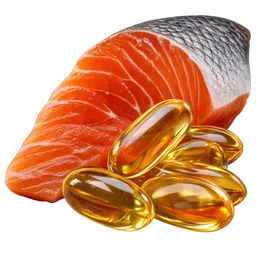
Omega-3 Fatty Acids
Proven benefit
The slow builder that protects brain structure over time
Omega-3s have the largest volume of evidence behind them. A 2024 meta-analysis found that supplementation improved global cognitive function in older adults with mild cognitive impairment 12. A 2015 meta-analysis found DHA improved episodic memory specifically in adults who already had mild memory complaints, with stronger effects at higher doses 8. A 2025 dose-response analysis across multiple cognitive domains found benefits for primary memory and visuospatial skills, though with nonlinear dose-response curves 14. The per-person effect is smaller than bacopa's, but the evidence is broad, international, and heavily replicated.
Full breakdown
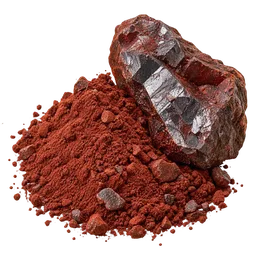
Iron
Proven benefit
Fixes a specific problem: memory issues caused by low iron
Multiple meta-analyses have examined iron supplementation and cognitive function, primarily in children and adolescents. A 2023 meta-analysis found iron improved intelligence test scores, attention, and memory in school-age children, with the largest effects in those who were anemic at baseline and those supplementing for four or more months at doses of 60 mg/day or higher 2319. In adults, the picture is more specific: a 2019 meta-analysis found broader cognitive improvements including memory when iron status was low 22. If your iron levels are normal, supplementation provides no cognitive benefit.
Full breakdown

Anthocyanins (Blueberry and Berry Extracts)
Proven benefit
Berry pigments with real working-memory data behind them
The evidence for anthocyanins and memory is a split picture. For working memory, a large RCT with 300 healthy adults found that 6 weeks of anthocyanin-rich mulberry milk improved word recognition speed and accuracy 25. A second RCT in 69 older adults confirmed faster neural processing using EEG measurements 26. However, a 2025 meta-analysis pooling 30 trials found that when you look across all memory subtypes, the effects were not consistently significant 24. The honest read: anthocyanins appear to help with working memory, the ability to hold and use information in real time, but broader memory improvements remain unproven.
Full breakdown

Pomegranate
Proven benefit
Promising early results for learning, but small trials so far
The first notable study gave pomegranate juice to older adults with memory complaints and found improved verbal recall and increased brain activity on fMRI scans after just 4 weeks 27. A 2024 trial in 92 people with diagnosed mild cognitive impairment found that pomegranate seed oil, combined with a Mediterranean diet, improved scores on a gold-standard cognitive assessment over 12 months 29. However, a 2025 RCT in 86 healthy older adults found pomegranate extract improved executive function but showed no significant gains on any of five memory measures 30. The evidence is genuine but young: small samples, varied preparations, and not yet replicated at scale.
Full breakdown
DHEA
Proven benefit
A hormone precursor that sharpens spatial thinking in postmenopausal women
The standout trial is a crossover study in 24 postmenopausal women: 50 mg DHEA daily for 4 weeks produced noticeable improvements on mental rotation, pattern recognition, and spatial working memory tasks 31. A second trial found modest benefits for processing speed 32. However, the cognitive evidence is narrow: mostly spatial tasks, mostly postmenopausal women, and mostly from a small number of research groups. DHEA has much more evidence behind it for fertility outcomes than for cognition.
Full breakdown
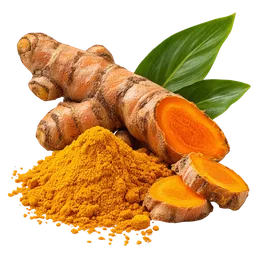
Turmeric (Curcumin)
Likely helps
Strong working memory signal, but the overall cognitive picture is mixed
A 2025 meta-analysis of curcumin and cognitive aging found a significant improvement in working memory and processing speed, but no consistent effect on overall cognition or executive function 34. The working memory signal was strong. An earlier RCT in 39 healthy adults found curcumin did not improve any of 20 physical or cognitive measures after 12 weeks 35, though that study used a different formulation and population. The rodent data is far more impressive than the human data, which is always a cautionary signal. Curcumin likely helps working memory, but claims about broad cognitive enhancement outpace what human trials have shown.
Full breakdown
Creatine
Likely helps
The gym staple that also fuels your brain, especially if you are over 65
Two meta-analyses have looked at creatine and cognition. The 2023 analysis found a modest overall improvement in memory, but the most striking finding was a subgroup effect: older adults (66 to 76 years) showed a large memory benefit, while younger adults showed essentially none 37. A 2024 meta-analysis confirmed small improvements in memory and processing speed across the broader adult population 38. The evidence is consistent with the hypothesis that creatine helps most when the brain's energy system is most compromised, whether by age, sleep deprivation, or vegetarian diet (since creatine comes primarily from meat).
Full breakdown
Vitamin C
Likely helps
A single large trial hints at late-life cognitive protection
The primary evidence comes from a large trial of 2,824 older women with cardiovascular risk: daily vitamin C supplementation showed no benefit on cognitive decline over the course of the study, but women who had taken it the longest scored significantly higher on verbal memory and global cognitive tests at the final assessment 39. A 2018 Cochrane review concluded that vitamin and mineral supplementation, including vitamin C, can help maintain cognitive function in older people who are cognitively healthy 40. The evidence for vitamin C as a targeted memory intervention is thin. It may play a protective role over years rather than producing a measurable short-term improvement.
Full breakdown

Tart Cherry
Likely helps
A single network meta-analysis ranks it highly, but evidence is razor-thin
Tart cherry's appearance on this list comes almost entirely from a 2025 network meta-analysis that ranked it among the top plant substances for learning and memory in healthy older adults 6. However, that ranking is based on a single trial embedded in the network analysis. Tart cherry has much stronger evidence for exercise recovery, sleep, and blood pressure than it does for cognition. Consider this a very early signal, not a confirmed finding.
Full breakdown
What doesn't work
Save your money on these
Despite enormous online enthusiasm, every memory-related outcome for lion's mane is still at the preliminary stage. No confirmed benefits in well-designed human trials. The marketing far outpaces the science.
One of the oldest "brain supplements" on the market, but the memory evidence remains at the early-signal stage. Several studies exist, but none are large or rigorous enough to confirm a real benefit. Not a definitive no, just not enough to recommend spending money on it for memory.
Frequently marketed as a "brain fuel" supplement. The clinical data for memory in healthy adults is weak. Most positive findings are in narrow clinical populations (dementia, stroke recovery) and even there the evidence is preliminary.
Ginkgo has extensive evidence for other cognitive domains, particularly executive function and dementia-related behavioral symptoms. But for the specific question of "will this help my memory," the evidence points to its strength being elsewhere. Several large trials found no memory benefit in cognitively healthy adults.
Synergistic stacks
Combinations that work better together
The Evidence-Based Memory Stack
Bacopa + Omega-3 (DHA-dominant)
Bacopa targets acetylcholine signaling for near-term memory gains, while omega-3s maintain brain cell membrane integrity for long-term structural protection. They work through completely independent mechanisms with no known interactions.
The Aging Brain Stack
Bacopa + Creatine
Creatine's memory benefits are concentrated in adults over 65, exactly the population where bacopa also shines. Creatine replenishes the brain's energy reserves while bacopa enhances the signaling that draws on those reserves. Both are well-tolerated and affordable.
The Plant-Based Memory Stack
Bacopa + Blueberry/Anthocyanin Extract + Pomegranate Extract
For those who prefer plant-derived supplements, this stack covers different aspects of memory: bacopa for recall and learning, anthocyanins for working memory, and pomegranate for antioxidant protection. All three are food-grade and low-risk.
Shortlist
A specific product for each pick
One well-dosed, cleanly-formulated option per ranked ingredient, from brands we've audited. Not sponsored.

For Bacopa
Nootropics Depot Bacopa Monnieri ExtractWell dosed audit 87
For Omega-3 Fatty Acids
Nootropics Depot 70% DHA Fish Oil Softgels 1,000 mgWell dosed audit 87 Well dosed audit 82
For Anthocyanins (Blueberry and Berry Extracts)
XYMOGEN SaloxicinWell dosed audit 80 Well dosed audit 87
For DHEA
Life Extension DHEA 100 mgWell dosed audit 90
For Turmeric (Curcumin)
NOW Turmeric Curcumin GelsWell dosed audit 87
For Creatine
NutraBio Creatine MonohydrateWell dosed audit 90
Buying guide
What to look for on the label
Form matters
- •Bacopa extracts should be standardized to 50% bacosides (the active compounds). Lower percentages mean you need higher doses to match trial results.
- •Fish oil labels often bury the EPA/DHA breakdown. For memory, prioritize DHA: look for at least 500 mg DHA per serving, not just total omega-3.
- •Curcumin from plain turmeric powder barely absorbs. Only bioavailability-enhanced forms (Theracurmin, Longvida, Meriva, BCM-95) have been shown to reach the brain in meaningful amounts.
- •Creatine monohydrate is the only form backed by strong evidence. It also happens to be the cheapest. Skip creatine HCl, ethyl ester, and other premium-priced alternatives.
Red flags
- •"Proprietary blend" on a memory supplement usually means the active ingredient is underdosed and hidden among fillers. You should be able to see exactly how many milligrams of each ingredient you are getting.
- •Any memory supplement that promises acute effects the same day. The best-studied memory supplements (bacopa, omega-3, creatine) all require weeks to months of consistent use.
- •Products stacking 10 or more ingredients at sub-clinical doses. A product with 50 mg bacopa plus 100 mg fish oil plus 25 mg curcumin is giving you a fraction of the researched dose of each.
- •Iron supplements marketed as general "brain boosters." Iron should only be taken after a blood test confirms deficiency.
Quality markers
- •Third-party testing (USP, NSF, ConsumerLab) confirms the product contains what it claims and is free of contaminants. This matters especially for fish oil (oxidation) and iron (heavy metals).
- •Clear dosing in milligrams on the label, not hidden behind proprietary blends. You should be able to cross-reference the dose with the clinical trials reviewed here.
The bottom line
Memory is not a single thing, and neither are the supplements that help it. Bacopa stands out because it hits the broadest range of memory subtypes with the most consistent results. Omega-3s play the long game, maintaining brain architecture over years. Iron and creatine fix specific vulnerabilities: low oxygen delivery and low energy reserves, respectively. Anthocyanins and pomegranate offer food-based approaches with real but modest working memory effects.
The biggest surprise may be what is missing from the top of this list. Lion's mane, phosphatidylserine, and citicoline dominate the supplement aisle's "brain health" section, but none of them have graduated past preliminary evidence for memory outcomes in healthy adults. Marketing is not evidence.
The practical takeaway: start with bacopa if you want the single most evidence-backed memory supplement. Add omega-3s if you are thinking long-term. Get your iron and vitamin D levels checked. And give any supplement you choose at least 8 to 12 weeks before judging whether it is working. The brain is not a muscle that pumps up overnight.
Frequently asked
Common questions
How long do memory supplements take to work?
Can I stack multiple memory supplements together?
Do memory supplements work differently for older versus younger adults?
Are nootropics like lion's mane and phosphatidylserine good for memory?
Is omega-3 or fish oil actually good for memory?
Should I take iron supplements for my memory?
Related
Go deeper on the top picks
Standalone evidence guides for the supplements at the top of this ranking, plus systematic reviews and combination breakdowns.
Ingredient evidence
Ingredient evidence
NewBacopa
All scored outcomes
Aug 27, 2026
Evidence guide
Bacopa monnieri
NewThe Slow Spark: How a Marsh Plant Teaches Memory to Last
Evidence guide
Apr 22, 2026
Ranking
Mental speed and reaction time
NewThe 10 Supplements With Real Evidence for Faster Thinking
Evidence ranking
Apr 3, 2026
Evidence map
Focus & memory
NewFocus & memory: evidence map across 45 supplements
Evidence coverage map
Jul 30, 2026
Evidence map
Stress
NewStress: evidence map across 46 supplements
Evidence coverage map
Jul 30, 2026
Ingredient evidence
Ingredient evidence
NewOmega-3
All scored outcomes
Aug 27, 2026
Sources
- 1. Chronic effects of Bacopa monniera on cognitive function in healthy human subjects ↑
- 2. Meta-analysis of randomized controlled trials on cognitive effects of Bacopa monnieri extract ↑
- 3. Effects of a standardized Bacopa monnieri extract on cognitive performance, anxiety, and depression in the elderly ↑
- 4. Randomized controlled trial of standardized Bacopa monniera extract in age-associated memory impairment ↑
- 5. Effects of 12-week Bacopa monnieri consumption on attention, cognitive processing, working memory, and cholinergic and monoaminergic systems in healthy elderly volunteers ↑
- 6. The effect of plant active substances on cognitive function in healthy older adults: a systematic review and network meta-analysis ↑
- 7. Neurocognitive effects of Bacopa monnieri and cognitive training on markers of brain microstructure in healthy older adults ↑
- 8. Docosahexaenoic acid and adult memory: a systematic review and meta-analysis ↑
- 9. N-3 polyunsaturated fatty acids in elderly with mild cognitive impairment: a systematic review and meta-analysis ↑
- 10. Omega-3 supplementation for treating depression: a systematic review and meta-analysis ↑
- 11. The effects of omega-3, DHA, EPA, Souvenaid in Alzheimer's disease: a systematic review and meta-analysis ↑
- 12. N-3 polyunsaturated fatty acids in elderly with mild cognitive impairment: a systematic review and meta-analysis ↑
- 13. A systematic review and dose-response meta-analysis of omega-3 supplementation on cognitive function ↑
- 14. A systematic review and dose-response meta-analysis of omega-3 supplementation on cognitive function ↑
- 15. The influence of n-3 polyunsaturated fatty acids on cognitive function in individuals without dementia ↑
- 16. Omega-3 ADHD meta-analysis: reduction of symptoms in children ↑
- 17. Effect of omega-3 supplementation on working memory in adults ↑
- 18. Omega-3 fatty acid supplementation and cognitive function in adults ↑
- 19. Effect of oral iron supplementation on cognitive function among children and adolescents in low- and middle-income countries ↑
- 20. Effects of oral iron supplementation on cognition in older children and adults ↑
- 21. Effects of daily iron supplementation in primary-school-aged children: systematic review ↑
- 22. Iron biofortification interventions to improve iron status and functional outcomes ↑
- 23. Effects of iron supplementation on cognitive development in school-age children ↑
- 24. The effect of anthocyanins on cognition: a systematic review and meta-analysis of randomized clinical trials ↑
- 25. Positive modulation effect of 6-week consumption of anthocyanin-rich mulberry milk on working memory in healthy adults ↑
- 26. Anthocyanin-rich functional ingredient on cognitive function and eye dryness in late adulthood: a randomized, double-blind study ↑
- 27. Pomegranate juice augments memory and fMRI activity in middle-aged and older adults with mild memory complaints ↑
- 28. Pomegranate supplementation protects against memory dysfunction after heart surgery: a pilot study ↑
- 29. The effects of pomegranate seed oil on mild cognitive impairment ↑
- 30. Impact of pomegranate extract supplementation on physical and cognitive function in community-dwelling older adults ↑
- 31. Administration of dehydroepiandrosterone (DHEA) enhances visual-spatial performance in postmenopausal women ↑
- 32. DHEA and cognition in HIV-positive patients with non-major depression ↑
- 33. Administration of DHEA increases serum levels of androgens and estrogens but does not enhance short-term memory in post-menopausal women ↑
- 34. Targeting cognitive aging with curcumin supplementation: a systematic review and meta-analysis ↑
- 35. Curcumin supplementation and motor-cognitive function in healthy middle-aged and older adults ↑
- 36. Curcumin effects on cognitive function: a 2025 systematic review and meta-analysis update ↑
- 37. Effects of creatine supplementation on memory in healthy individuals: a systematic review and meta-analysis ↑
- 38. Effects of creatine supplementation on cognitive function in adults: a systematic review and meta-analysis ↑
- 39. Vitamin E, vitamin C, beta carotene, and cognitive function among women with or at risk of cardiovascular disease ↑
- 40. Vitamin and mineral supplementation for maintaining cognitive function in cognitively healthy people ↑
Generated April 4, 2026