Best Supplements to Fall Asleep Faster, Ranked by Clinical Evidence
30 supplements · 4 outcomes · 65 trials
Our #1 pick
The strongest direct nudge into sleep — especially when your clock is off
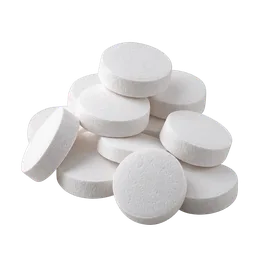
Across more than twenty randomized trials, melatonin consistently reduces the time it takes to fall asleep — typically by somewhere between seven and twelve minutes compared to placebo.72 That modest-sounding number is actually reliable and reproducible across healthy adults, people with insomnia, older adults, shift workers, and people with jet lag. The effect holds for both subjective reports and objective actigraphy measurements.3 A 2005 meta-analysis found a nearly twelve-minute reduction in sleep onset; a 2013 meta-analysis across primary sleep disorders confirmed the finding.27 The evidence is particularly strong for delayed sleep phase disorder and jet lag, where melatonin's ability to shift the body clock matters as much as the direct sedative effect.4
You lie down, close your eyes, and your brain decides that's the perfect time to start thinking about a work email from six months ago.
Most people in this situation reach for a supplement. The shelves are full of options — melatonin, valerian, magnesium, chamomile, GABA, ashwagandha, passionflower, 5-HTP. Every one of them promises better sleep. Most of them have weak or conflicting evidence, and a few of them work.
We went through the clinical trial literature to separate what actually holds up. The honest answer: melatonin has the strongest evidence by a significant margin. A handful of others are genuinely worth considering depending on what's driving your sleep problems. And several very popular options have surprisingly thin data behind them.
One thing worth knowing before you spend money: the best-studied sleep supplements typically shorten the time to fall asleep by somewhere between five and twenty minutes. That's real, but it's not a miracle. If you're lying awake for two hours, manage your expectations.
#1 deep dive
Why Melatonin takes the top spot
How it works
Your brain starts releasing melatonin as darkness falls, telling the rest of your body that sleep is coming. Taking exogenous melatonin amplifies this signal — it doesn't knock you out like a sedative, but it moves your internal clock in the direction of sleep and lowers core body temperature slightly, both of which accelerate sleep onset.72
Best for
Anyone whose sleep problems trace back to a shifted or disrupted circadian rhythm — jet lag, shift work, delayed sleep phase, irregular schedules, or simply the gradual melatonin decline that comes with aging. Older adults in particular often see stronger effects, because natural melatonin production drops significantly with age. Also well-studied in children with neurodevelopmental conditions.510
Watch out
Melatonin interacts with anticoagulants including warfarin — if you're on blood thinners, talk to your doctor first. It can also amplify the sedative effects of benzodiazepines and sleep medications, so be careful combining them. Caution in pregnancy; insufficient safety data. Not recommended for use in prepubertal children without medical oversight due to theoretical concerns about effects on puberty timing with long-term use.
Pro tip
Timing matters more than dose. Taking melatonin at the same time each night — and at the right time relative to your desired bedtime, not just whenever you feel like it — works better than taking a higher dose. For most people, 30 to 60 minutes before the target bedtime is the sweet spot.
Evidence by outcome
Shortens the time between lying down and drifting off.
Higher melatonin after dark strengthens the signal that triggers sleep onset.
Helps you feel ready for sleep when it's time to go to bed.

Ashwagandha
Likely helps
When stress is the reason you can't switch off at night
A 2021 meta-analysis of five randomized trials found that ashwagandha meaningfully improved sleep onset latency, with actigraphy-confirmed results showing people falling asleep roughly ten minutes sooner at the 600 mg dose.26 The same meta-analysis showed improvements in sleep efficiency, time awake after falling asleep, and self-reported sleep quality. The strongest single trial — a well-designed 10-week RCT in adults with primary insomnia — confirmed faster sleep onset by actigraphy, improved sleep efficiency, and better morning alertness.30 Effects were consistently stronger in participants with higher baseline stress and anxiety, which aligns with the mechanism: ashwagandha is treating a root cause rather than directly inducing sleep.
Full breakdown

Valerian
Early data
The underrated option that actually helps sleep feel deeper and more restful
Valerian's strongest evidence isn't actually for falling asleep faster — it's for making sleep feel better once you're there. A well-designed 2024 RCT in adults with mild insomnia found significant improvements in sleep quality, sleep efficiency, and total sleep time confirmed by both actigraphy and polysomnography, plus meaningful reductions in daytime sleepiness.25 Older meta-analyses show consistent improvements in subjective sleep quality across multiple trials.28 For sleep onset specifically, the data is positive but the effect is more modest than for quality measures. The trust score here is a bit lower than melatonin or ashwagandha, reflecting fewer total studies, but the directional consistency across trials is solid.
Full breakdown
Magnesium
Early data
A foundational fix if your body is running low
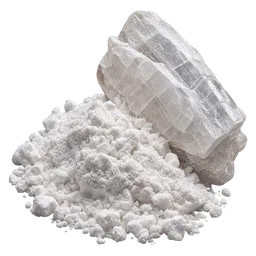
The evidence is real but still developing. Two randomized trials show that magnesium supplementation reduced sleep onset latency by roughly nine minutes and modestly raised nighttime melatonin levels — which is an interesting finding suggesting it may amplify the body's own sleep signaling.27 A separate trial in older adults with insomnia found meaningful improvements across multiple sleep measures. The catch is that existing trials are relatively small and mostly in older adults or people with confirmed low magnesium. Whether the benefits extend to healthy younger people who are already replete is less clear.
Full breakdown
What doesn't work
Save your money on these
Valerian works — but the tea form almost certainly doesn't. Clinical trials use standardized root extracts at 200-600 mg of valerenic acid-standardized extract. A cup of herbal tea contains a fraction of that and has no standardization. The ingredient is valid; the delivery method makes it a placebo.
5-HTP is widely sold as a sleep supplement based on the logic that it raises serotonin, which converts to melatonin. The logic is plausible, but our evidence database has no scored outcomes showing 5-HTP shortens sleep onset latency in humans. What data exists is primarily for mood and fibromyalgia, not sleep onset specifically.
The most common sleep herb in the world has surprisingly thin evidence for actually falling asleep faster. The key pilot trial was N=34 with all-null results — every endpoint failed to reach statistical significance. Follow-up research hasn't consistently changed the picture. Chamomile may be mildly relaxing, but calling it a sleep supplement overstates what the trials show.
Oral GABA supplements have a fundamental problem: GABA taken by mouth likely doesn't cross the blood-brain barrier in meaningful amounts. Any sleep effects seen in trials may reflect gut GABA receptors or peripheral pathways rather than direct brain action. The two small sleep trials (40 people each) show a signal for faster sleep onset, but that effect size from two tiny trials is exactly the kind of finding that disappears when properly replicated.
Synergistic stacks
Combinations that work better together
The Circadian Reset
Melatonin + Magnesium
The Stress-to-Sleep Stack
Ashwagandha + Valerian
Shortlist
A specific product for each pick
One well-dosed, cleanly-formulated option per ranked ingredient, from brands we've audited. Not sponsored.

For Melatonin
Life Extension Melatonin 3 mgWell dosed audit 90
For Ashwagandha
Nootropics Depot Ashwagandha Extract 250 mgWell dosed audit 87
For Valerian
Solaray Valerian 470 mgWell dosed audit 76
For Magnesium
Life Extension Magnesium (Citrate) 100 mgWell dosed audit 90
Buying guide
What to look for on the label
Form matters
- •For melatonin, immediate-release is better for falling asleep faster; extended-release is for staying asleep. Make sure the label matches your actual goal.
- •For ashwagandha, use standardized root extracts (5% withanolides). KSM-66 and Sensoril are the proprietary forms used in most clinical trials. Generic extracts at the same standardization are also fine.
- •For magnesium, avoid oxide — it has poor absorption and mostly acts as a laxative. Glycinate or threonate are the forms worth buying for sleep and brain effects.
- •For valerian, look for extracts standardized to 0.8% valerenic acid. Many cheap products have inconsistent standardization, which may explain why some people swear by it and others notice nothing.
- •Avoid combination sleep formulas that stack 8+ herbs at sub-clinical doses. They're priced on hope, not evidence. You'll do better taking one or two well-dosed single ingredients.
Red flags
- •Melatonin doses above 5 mg. Higher doses are often worse, not better, and can leave you groggy. The US sells 10 mg tablets as if more is better; most of Europe limits OTC melatonin to 1-2 mg because the evidence says that's enough.
- •Products with proprietary blends that don't disclose individual ingredient amounts. You can't evaluate dosing, which means you can't know if you're getting a clinical dose.
- •Sleep supplements containing diphenhydramine (antihistamine). It's sold legally as a 'natural sleep aid' but causes tolerance within days and can cause cognitive issues with regular use, especially in older adults.
- •Labels claiming 'pharmaceutical grade' or 'pharmaceutical-grade manufacturing' — these terms have no regulated meaning for supplements.
Quality markers
- •Third-party testing certifications (USP, NSF, Informed Sport) matter most for melatonin, where studies have found some products contain far more or less melatonin than labeled.
- •For ashwagandha, look for KSM-66, Sensoril, or Shoden on the label — these are the branded extracts used in clinical trials and have consistent quality standards.
- •Certificate of Analysis (COA) available on request or on the brand's website. Reputable manufacturers test each batch for potency and contaminants.
The bottom line
For most people, melatonin is the obvious starting point — it has the deepest evidence base, the clearest mechanism, and the strongest effect on sleep onset specifically. Start with 0.5 mg and work up if needed; more is not better here.
If stress or anxiety is what's keeping you awake, ashwagandha is the strongest evidence-backed option and may help more than melatonin for that specific pattern.
Valerian is underappreciated. Its effect on how sleep feels — the quality and depth of it — is well-supported, and it works well alongside melatonin if you're dealing with both trouble falling asleep and restless, shallow sleep.
Magnesium is worth adding if you're not already getting enough through diet, and some people see noticeable improvements — especially with glycinate or threonate forms. The evidence is still catching up to the popularity, but the safety profile and general health benefits make it a reasonable addition.
Turmeric, caffeine, and palmitoylethanolamide appear in sleep supplement formulas despite having no meaningful evidence for shortening sleep onset. Chamomile and GABA aren't far behind. Save your money for the supplements that have actually been tested.
Frequently asked
Common questions
How much faster will I fall asleep?
Should I take melatonin every night?
What's the right melatonin dose?
Is valerian actually worth trying if the evidence isn't that strong?
Can I take these supplements together?
What about supplements like 5-HTP, GABA, or CBD for sleep?
Related
Go deeper on the top picks
Standalone evidence guides for the supplements at the top of this ranking, plus systematic reviews and combination breakdowns.
Ingredient evidence
Ingredient evidence
NewMelatonin
All scored outcomes
Aug 27, 2026
Evidence guide
Melatonin
NewThe Signal of Darkness: How Melatonin Went From Frog Skin to Flight Plans—and What That Means for Your Nights
Evidence guide
May 5, 2026
Ranking
Deep, Restful Sleep
NewBest Supplements for Deep, Restful Sleep (2026)
Evidence ranking
Mar 29, 2026
Ranking
Migraines and Headaches
NewBest Supplements for Migraines and Headaches, Ranked by Clinical Evidence
Evidence ranking
Apr 4, 2026
Ranking
Staying asleep through the night
NewBest Supplements to Stay Asleep Through the Night
Evidence ranking
Apr 4, 2026
Systematic review
Systematic review
NewMelatonin for Sleep: A Systematic Evidence Review
GRADE evidence review
Jul 2, 2026
Sources
- 1. Melatonin improves abdominal pain in irritable bowel syndrome patients who have sleep disturbances: a randomised, double blind, placebo controlled study ↑
- 2. The efficacy and safety of exogenous melatonin for primary sleep disorders: a meta-analysis ↑
- 3. Nightly treatment of primary insomnia with prolonged release melatonin for 6 months: a randomized placebo controlled trial ↑
- 4. The use of exogenous melatonin in delayed sleep phase disorder: a meta-analysis ↑
- 5. Melatonin for sleep problems in children with neurodevelopmental disorders: randomised double masked placebo controlled trial ↑
- 6. Long-term effects of melatonin on quality of life and sleep in haemodialysis patients (Melody study): a randomized controlled trial ↑
- 7. Meta-analysis: melatonin for the treatment of primary sleep disorders ↑
- 8. A randomized, placebo-controlled trial of melatonin on breast cancer survivors: impact on sleep, mood, and hot flashes ↑
- 9. Melatonin for sleep disorders and cognition in dementia: a meta-analysis of randomized controlled trials ↑
- 10. Prolonged release melatonin for improving sleep in totally blind subjects: a pilot placebo-controlled multicenter trial ↑
- 11. Melatonin improves sleep in children with epilepsy: a randomized, double-blind, crossover study ↑
- 12. Efficacy of melatonin for sleep disturbance following traumatic brain injury: a randomised controlled trial ↑
- 13. Efficacy of melatonin with behavioural sleep-wake scheduling for delayed sleep-wake phase disorder: a double-blind, randomised clinical trial ↑
- 14. Oral melatonin for non-respiratory sleep disturbance in children with neurodisabilities: systematic review and meta-analyses ↑
- 15. Melatonin for rapid eye movement sleep behavior disorder in Parkinson's disease: a randomised controlled trial ↑
- 16. Melatonin for treatment-seeking alcohol use disorder patients with sleeping problems: a randomized clinical pilot trial ↑
- 17. Efficacy of melatonin for insomnia in children with autism spectrum disorder: a meta-analysis ↑
- 18. The effect of melatonin on irritable bowel syndrome patients with and without sleep disorders: a randomized double-blinded placebo-controlled trial study ↑
- 19. Use of melatonin for children and adolescents with chronic insomnia attributable to disorders beyond indication: a systematic review, meta-analysis and clinical recommendation ↑
- 20. Use of melatonin in children and adolescents with idiopathic chronic insomnia: a systematic review, meta-analysis, and clinical recommendation ↑
- 21. Exogenous melatonin's effect on salivary cortisol and amylase: a randomized controlled trial ↑
- 22. Effect of melatonin on insomnia and daytime sleepiness in patients with obstructive sleep apnea and insomnia (COMISA) ↑
- 23. Exploring the role of melatonin in managing sleep and motor symptoms in Parkinson's disease: a pooled analysis of double-blinded randomized controlled trials ↑
- 24. Effectiveness of melatonin supplementation for improving sleep quality and disease severity in children with atopic dermatitis: a systematic review and meta-analysis ↑
- 25. Effects of melatonin administration on daytime sleep after simulated night shift work ↑
- 26. Melatonin supplementation lowers oxidative stress and regulates adipokines in obese patients on a calorie-restricted diet ↑
- 27. Effect of bedtime melatonin administration in patients with type 2 diabetes: a triple-blind, placebo-controlled, randomized trial ↑
- 28. Melatonin supplementation does not alter vascular function or oxidative stress in healthy normotensive adults on a high sodium diet ↑
- 29. Effects of melatonin administration on daytime sleep after simulated night shift work ↑
- 30. Efficacy and safety of ashwagandha (Withania somnifera) root extract in insomnia and anxiety: a double-blind, randomized, placebo-controlled study ↑
Generated April 4, 2026