Best Supplements to Protect Brain Tissue as You Age (2026)

10 supplements · 4 outcomes · 7 trials
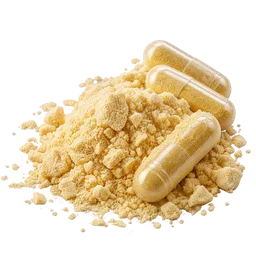
Vitamin B

Our #1 pick

Vitamin B

Likely helps Strong · 68

The strongest evidence here for slowing brain shrinkage

Trial-based B-complex doses were used, but this dataset doesn't report the exact B6, B9, and B12 amounts.

Long game: think months, not days, because studies measured structural brain changes rather than an immediate feeling.

If you care about healthy aging, you want more than fuzzy promises about “mental sharpness.” You want to know which supplements actually show signs of preserving brain structure in humans. This guide sticks to 7 clinical trials covering MRI-style outcomes tied to brain aging, then ranks the supplements by evidence strength, not popularity.1234567

Important reality check: this evidence base is still small. Only one option here reaches a clearly stronger confidence level, and several others look promising but still need better replication. That's exactly why this list matters.

#1 deep dive

Why Vitamin B takes the top spot

Vitamin B

How it works

Vitamin B works like a cleanup crew for homocysteine, a blood compound linked with faster brain shrinkage. In the cited trial, homocysteine dropped alongside slower brain atrophy, which gives this result a more concrete biological link than most “brain health” supplements get.1

What the research says

Vitamin B shows the strongest signal in this dataset. It earned a likely_helps verdict with trust 68 for brain atrophy, and the effect size lands in the small-but-real range; by contrast, quality-of-life and speed outcomes didn't improve consistently in the broader claim set.1

Best for

Adults focused on healthy brain aging, especially if homocysteine runs high or B status looks shaky.

Watch out

Long-term high B6 intake can trigger neuropathy, metformin can lower B12 status, and aspirin may reduce effect.

Pro tip

Pick a clearly labeled B-complex that lists separate amounts for B6, folate/B9, and B12 instead of a vague “energy blend.”

Evidence by outcome

Slow brain shrinkage Likely helps

Tracks whole-brain tissue loss and atrophy on MRI over time.
d=0.43 Small effect 4 endpoints trust 68
Docosapentaenoic Acid (DPA)
2

Docosapentaenoic Acid (DPA)

Early data
Very early · 38 Small effect

A specific omega-3 with early hippocampus data

The trial used a defined DPA-containing protocol, but this dataset doesn't include the exact milligram amount.

Expect this to be a months-long play; brain-volume outcomes don't move on a weekend timeline.

Full breakdown

How it works

DPA raises omega-3 levels, which gives brain cell membranes more of the fats they use as flexible building material. In this dataset, that lined up with a small signal for preserving hippocampal volume, while whole-brain atrophy and ventricular enlargement stayed unclear.2

What the research says

Emerging evidence indicates DPA is interesting but not settled. It showed a preliminary benefit for hippocampal volume with a small effect size, but brain atrophy and ventricular enlargement results were trivial or unknown, so confidence stays modest.2

Best for

People who want an experimental omega-3 angle and care specifically about healthy aging brain-volume outcomes.

Watch out

Diarrhea and other adverse events showed up in the safety data, and generic fish oil labels often don't tell you how much DPA you're actually getting.

Pro tip

Don't confuse DPA with standard fish oil. If the label doesn't list docosapentaenoic acid specifically, you probably aren't buying the ingredient behind this signal.

Evidence by outcome

Slow brain shrinkage Not enough research
d=0.05 Minimal effect 2 endpoints trust 38
Protect memory-center size Early data
d=0.27 Small effect 2 endpoints trust 38
Limit brain space enlargement Not enough research
d=0.12 Minimal effect 1 endpoints trust 38
Lithium
3

Lithium

Early data
Very early · 37 Small effect

Promising hippocampal data, but this is not casual

Low-dose lithium was studied, but this evidence summary doesn't include the exact amount.

Unknown from this dataset; structural brain changes usually take months, not days.

Full breakdown

How it works

Researchers are exploring low-dose lithium as a way to nudge the brain's repair-and-maintenance settings, especially in the hippocampus, the memory hub that often shrinks with age. This dataset shows that idea in imaging results, but it doesn't spell out the exact pathway and the evidence is still thin.34

What the research says

Initial studies hint at a small hippocampal-volume benefit, while whole-brain atrophy results stay uncertain. Trust is low—37 for hippocampal volume and 10 for brain atrophy—so lithium sits in the experimental tier despite the intriguing signal.34

Best for

People discussing a monitored low-dose strategy with a clinician, not anyone looking for a simple over-the-counter add-on.

Watch out

Lithium has major interactions with diuretics and antihypertensives, and its safety profile is much heavier than a typical supplement.

Pro tip

If you explore lithium, precision matters more than with almost anything else on this list. Avoid mystery 'trace lithium' products that hide the actual amount.

Evidence by outcome

Protect memory-center size Early data
d=0.44 Small effect 1 endpoints trust 37
Alpha Lipoic Acid
4

Alpha Lipoic Acid

Early data
Very early · 36 Moderate effect

A metabolic tune-up with a surprisingly strong early signal

The trial used a daily dose, but this dataset doesn't report the milligrams.

Think months. Brain-atrophy outcomes reflect slow structural change, not a fast mental boost.

Full breakdown

How it works

Alpha lipoic acid acts like a tune-up for the body's fuel system: it helps steady blood sugar and lower triglycerides, which can reduce metabolic wear on brain tissue. In the imaging study here, that matched a moderate effect on brain atrophy, though the evidence base is still early.5

What the research says

One trial found a moderate-looking effect on brain atrophy, which makes alpha lipoic acid more exciting than its trust score suggests. The catch is important: trust is only 36 because the evidence comes from early, limited data rather than a stack of consistent replications.5

Best for

Adults thinking about brain aging and metabolic health together, especially if blood sugar and triglycerides already sit on the radar.

Watch out

Serious kidney-related events appear in the safety data, so don't treat this like a harmless catch-all antioxidant.

Pro tip

Skip proprietary blends. You want an exact alpha lipoic acid amount on the label, not a sprinkle hidden inside a 'brain support' formula.

Evidence by outcome

Slow brain shrinkage Early data
d=0.71 Moderate effect 1 endpoints trust 36
Creatine
5

Creatine

Early data
Very early · 36 Moderate effect

Your brain's backup battery, not just a gym supplement

A daily creatine dose was used in the trial, but this dataset doesn't include the exact grams.

Likely months for structural outcomes; don't expect a dramatic day-one mental feeling.

Full breakdown

How it works

Creatine is the brain's instant backup battery. When energy demand spikes, it helps cells recharge quickly, and the one imaging trial here found a moderate preliminary signal for preserving deep brain nuclei volume.6

What the research says

Research suggests creatine deserves attention for healthy brain aging, but the case is still early. The signal comes from one clinical trial with a moderate effect on deep brain nuclei volume, not from multiple replicated MRI studies.6

Best for

Active adults who already like creatine for muscle and want a plausible brain-aging upside too.

Watch out

Use extra caution with kidney issues and with medicines linked to higher toxicity risk, including some immunosuppressants.

Pro tip

Creatine makes the most sense as a long-game add-on, especially if you're already training and want one supplement that pulls double duty.

Evidence by outcome

Protect deep brain tissue Early data
d=0.61 Moderate effect 1 endpoints trust 36
Lemon Balm
6

Lemon Balm

Early data
Very early · 35 Small effect

A calming herb with an early structural-aging signal

The study used a standardized amount, but this dataset doesn't list the dose.

Mood effects can show up sooner, but any brain-structure payoff is a longer play.

Full breakdown

How it works

Lemon balm seems to turn down the brain's background stress static, so the system spends less time in overdrive. In this dataset, that sits beside a small preliminary signal on brain atrophy plus benefits for anxiety and negative mood in older adults.7

What the research says

Early findings hint at a small brain-structure benefit, but this rests on one preliminary study with low trust. The mood and anxiety results make lemon balm more relevant for healthy aging than the MRI evidence alone would suggest.7

Best for

Older adults who want brain-aging support and also care about stress, mood, or baseline anxiety.

Watch out

GI discomfort and nausea are the main practical downsides, and it can interact with blood-pressure medicines.

Pro tip

Use lemon balm as a secondary add-on, not your main structural brain-aging play.

Evidence by outcome

Slow brain shrinkage Early data
d=0.45 Small effect 1 endpoints trust 35

What doesn't work

Save your money on these

Resveratrol Possibly harmful

It sounds like a longevity superstar, but the dataset here points the wrong way: likely harm for brain atrophy and ventricular enlargement.

Omega-3 Fish Oil Likely no effect

It's wildly popular, yet for these specific brain-volume outcomes the evidence here lands in likely no effect rather than meaningful protection.

Choline Not enough research

People buy it for memory all the time, but the brain-volume evidence in this dataset stays unknown, not convincing.

Synergistic stacks

Combinations that work better together

Homocysteine + Membrane Support Stack

Vitamin B + Docosapentaenoic Acid (DPA)

These two pull on different levers. Vitamin B lowers homocysteine and shows the strongest atrophy data here, while DPA raises omega-3 levels and shows a preliminary hippocampal-volume signal.12

Use a clearly labeled B-complex daily and pair it with a DPA product that lists docosapentaenoic acid explicitly; this dataset does not provide exact trial doses, so use the original studies before copying amounts.

Structural + Metabolic Aging Stack

Vitamin B + Alpha Lipoic Acid

Vitamin B targets the homocysteine side of brain aging, while alpha lipoic acid supports metabolic stability and showed a moderate early signal on brain atrophy. That makes this combo appealing for people who think about brain aging and metabolic health together.15

Take both daily with exact-dose labels and avoid proprietary blends. This evidence summary doesn't include trial milligram amounts, so don't guess from marketing copy.

Energy + Resilience Stack

Creatine + Lemon Balm

Creatine supports rapid energy recycling and showed an early signal for deep brain nuclei volume, while lemon balm brings stress and mood support with a small preliminary atrophy signal. That mix makes sense for people who want both structural support and a calmer day-to-day baseline.67

Use creatine as your daily foundation and add lemon balm later in the day if stress runs high. Exact study doses were not provided in this dataset.

Buying guide

What to look for on the label

Form matters

  • Vitamin B works best as a clearly labeled B-complex that shows separate amounts for B6, folate/B9, and B12.
  • DPA only counts if the label lists docosapentaenoic acid specifically; generic 'fish oil' usually emphasizes EPA/DHA instead.
  • Lithium deserves exact-dose precision, not a vague trace-mineral blend.
  • Creatine products should state grams per serving clearly, not hide tiny amounts inside a nootropic blend.

Red flags

  • Proprietary blends with no exact ingredient amounts
  • Mega-dose B6 products for long-term use
  • Supplements that promise to reverse dementia or regrow brain tissue
  • Fish-oil labels that never mention DPA at all

Quality markers

  • Third-party testing or a posted certificate of analysis
  • Exact per-serving amounts for every active ingredient
  • Batch/lot number and expiration date
  • Simple formulas without a dozen token ingredients

The bottom line

If you want the short version, Vitamin B stands out as the best-supported option here.1 Everything else sits on a sliding scale from intriguing to experimental: DPA, alpha lipoic acid, creatine, lemon balm, and low-dose lithium all show signals, but each one rests on limited human imaging data.234567

So the smart move is simple: start with the option that has the best evidence, stay realistic about effect size, and treat the rest as targeted add-ons—not miracle pills. For healthy brain aging, the boring basics still matter too: exercise, sleep, blood pressure, blood sugar, and not smoking do more heavy lifting than any capsule ever will.

Frequently asked

Common questions

What supplement has the best evidence for protecting brain tissue as you age?

Vitamin B ranks #1 here because it shows the strongest human imaging signal in this dataset: a likely-helpful effect on brain atrophy with the highest trust score of any option listed. The same trial also showed lower homocysteine, which gives the finding a clearer biological anchor.1

Are B vitamins only about memory, or do they affect brain structure too?

They affect structure too. In this dataset, Vitamin B showed a small but meaningful effect on brain atrophy, not just symptom-style outcomes, and that makes it more compelling for healthy aging than a generic “memory booster” pitch.1

Is DPA better than regular fish oil for brain aging?

DPA looks more interesting than generic omega-3 for this specific goal, but the evidence still sits in the preliminary bucket. The cited trial showed a small signal for hippocampal volume, while whole-brain atrophy and ventricular enlargement stayed unclear.2

Is creatine actually useful for the brain as you get older?

Research suggests yes, but the case is early. One clinical trial found a moderate preliminary signal for preserving deep brain nuclei volume, which makes creatine more than a gym supplement, but it still needs replication.6

Is lithium too risky to use just for healthy brain aging?

For most people, lithium is not a casual add-on. The imaging signal is still preliminary, while the interaction and safety profile looks much heavier than the rest of this list, especially with diuretics and blood-pressure medicines.34

Want personalized healthy brain aging recommendations?

The Suplmnt app checks doses, flags interactions, and tracks what actually works for you.

One email when we launch. No spam, no selling.

Want personalized recommendations?

Show me what works for me