New Vitamin B12 (cobalamin) Published Apr 20, 2026
The Red Thread: How a Silent Vitamin Rewove Blood, Nerves—and a Century of Medicine
More energy, stronger nerve function, and sharper mental clarity
Evidence summary
Vitamin B12 is an essential nutrient for making healthy blood cells and maintaining nerves, and deficiency can quietly damage both before diagnosis.
- High-dose oral vitamin B12 at 1,000–2,000 mcg/day corrects deficiency as effectively as intramuscular injections.5
- Long-term proton pump inhibitor or H2-blocker use raises deficiency risk, especially in older adults.7
- Very high serum B12 usually signals liver disease, cancer, or other underlying illness rather than excess intake.1
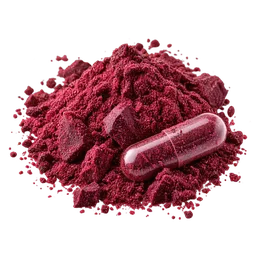
In clinics a century ago, pernicious anemia was a quiet death sentence—until raw liver, of all things, pulled patients back from the brink. Today, the same vitamin at the heart of that miracle can reverse numb feet, sharpen thinking—and, paradoxically, high blood levels sometimes flag hidden disease. The red thread is vitamin B12.
The meal that changed medicine
In the 1920s, physicians watched patients fade from pernicious anemia—pale, breathless, confused. Then came a strange prescription: plates of raw liver. The results were so dramatic that it won the 1934 Nobel Prize. Only later did scientists realize liver carried a missing nutrient—vitamin B12—and that the stomach makes a helper, intrinsic factor, that escorts B12 through the gut. When that helper is lost, as in pernicious anemia, the vitamin never makes it in. William Castle's contemporaries called his stomach–meat experiments "indelicate," but they revealed the crucial dance between the stomach's intrinsic factor and a dietary "extrinsic factor"—B12. 2 3 A generation later, Dorothy Crowfoot Hodgkin held up a wire-and-cork model that cracked a scientific sound barrier: B12's labyrinthine structure. Nobel historians call it "the crowning triumph of X-ray crystallography," and physicist Sir Lawrence Bragg likened it to "breaking the sound barrier." 4 19
What B12 actually does
Think of B12 as a two-tool kit shared by blood and nerves. One tool helps your cells copy DNA cleanly—without it, red blood cells swell and falter, causing fatigue and breathlessness. The other tool helps your body recycle homocysteine into methionine and clear odd-chain fats; that chemistry keeps the insulation (myelin) around nerves intact. When B12 is scarce, the insulation frays—tingling, clumsiness, even trouble walking can follow. 15
A modern detective story: when deficiency looks like something else
Neurology wards now see a new twist: nitrous oxide, the "laughing gas" used recreationally, oxidizes the cobalt at B12's core and suddenly disables that two-tool kit. In a hospital series of young adults with nitrous-oxide–related myelopathy, most eventually walked independently again, but only after aggressive B12 repletion and months of rehab. 8 A postpartum case described severe neuropathy likely precipitated by nitrous oxide analgesia; targeted B12 therapy turned the tide. 9 Clinicians also chase B12 problems that hide in plain sight: long-term proton pump inhibitors blunt stomach acid that frees food-bound B12, and chronic use is linked with higher odds of deficiency. 7 And the American Diabetes Association now cautions: "Long-term use of metformin may be associated with vitamin B12 deficiency; consider periodic assessment," especially if anemia or neuropathy appears. 6
How to fix a broken supply line
Here's the hopeful part. Even without intrinsic factor, a tiny percentage of a large oral dose slips through the gut wall. That's why high-dose oral B12 (1,000–2,000 mcg/day) can raise levels about as well as injections for many people—backed by randomized trials and a Cochrane review. 5 Sublingual forms aren't superior to standard oral tablets; what matters is dose and consistency. 1 When treatment starts, the body responds like a factory switching back on: reticulocytes (young red cells) surge within 5–7 days, hemoglobin climbs about a gram per week, and energy often returns within days. Most blood counts normalize in 3–8 weeks; numbness and gait problems improve more slowly, often over 1–3 months. Start early—long delays risk permanent nerve damage. 16 17
The paradox of "too much" in blood tests
Here's the curveball. Several large cohorts report that very high B12 levels in the bloodstream track with higher mortality or cancer diagnoses—likely because sick livers and certain tumors leak B12-binding proteins, pushing measured levels up. It's a signal to look deeper, not a reason to fear fortified cereal. Observational data from the Netherlands linked higher plasma B12 with all-cause mortality; a 2024 systematic review found persistent, unexplained B12 >1,000 pg/L warrants evaluation. Association isn't causation, but clinicians take the hint. 10 11
Food, fortification—and seaweed surprises
B12 is made by microbes, then climbs the food chain into meat, dairy, and eggs; plants don't naturally supply it, which is why fortified foods and supplements matter for vegetarians and vegans. 20 For years, nutrition groups warned that algae often carry look-alike "pseudovitamin B12" that fools lab tests but doesn't feed human enzymes—especially in spirulina. 13 14 In 2024, a randomized trial found that roasted nori (purple laver) improved several biomarkers of B12 status in vegetarians over four weeks—a cautious bright spot that challenges blanket dismissals, though replication and longer follow-up are needed. 12
An unexpected application: an antidote hiding in a vitamin
The same cobalt heart that makes B12 work can also trap cyanide. In emergencies, paramedics infuse hydroxocobalamin; it binds cyanide to become harmless cyanocobalamin the kidneys can excrete. It's a vivid reminder: molecules from nutrition can become tools of rescue medicine. 18
Voices from the journey
- "Breaking the sound barrier," Bragg said of B12's structure—a nod to the audacity of solving biology's largest vitamin. 19
- The ADA's guidance is plain: "Long-term use of metformin may be associated with vitamin B12 deficiency; consider periodic assessment." 6
Bringing it home
If you eat little or no animal food, take acid-suppressing drugs, live with autoimmune gastritis, have had bariatric surgery, or use metformin, you're on the front lines where B12 can quietly slip. The fix is usually simple—fortified foods or a small daily pill—yet the stakes are high: better blood, steadier nerves, clearer thinking. Evidence says tablets or injections both work when used right; choose the route you'll actually follow. 1 5 The story that began with raw liver has become something subtler: watchfulness. Not for a miracle cure, but for a missing cofactor—often hiding behind common symptoms—and for those rare lab values that mean, "look closer." The red thread continues to weave through modern medicine.
Key takeaways
What to walk away with
- 01
Vitamin B12's medical saga runs from raw liver rescues to Nobel-winning structure and today's nuanced lab interpretation.
- 02
Absorption hinges on intrinsic factor; even without it, a small percentage still gets in—enabling effective high-dose oral therapy.
- 03
For deficiency, 1,000–2,000 mcg/day orally can match intramuscular injections; tablets and sublingual forms work similarly at equal doses.
- 04
Recovery timeline: energy may lift in days; reticulocytes peak at 5–7 days; blood counts normalize in 3–8 weeks; nerve symptoms improve over 1–3 months if treated early.
- 05
Who's at risk/likely to benefit: vegans/vegetarians; adults >50; long-term users of acid-suppressing drugs or metformin; post-bariatric/bowel surgery; autoimmune gastritis/pernicious anemia; unexplained neuropathy, anemia, or cognitive changes.
- 06
Cautions: rare cobalt allergy reactions and occasional acne/rosacea flares; very high serum B12 should prompt evaluation for underlying illness rather than blaming supplements.
Effect timeline
When to expect what
- Immediate
- Within 24–72 hours (subjective well-being; reticulocytes begin rising).
- Peak
- 3–8 weeks for blood counts; 6–12 weeks for neurologic improvement.
- Duration needed
- Ongoing if malabsorption/pernicious anemia; otherwise until deficiency and causes corrected.
- Wears off
- Benefits diminish over weeks to months after stopping; metabolic markers can relapse within ~3 months off therapy.
Research trajectory
What the studies actually show
-
High-dose oral B12 (1,000–2,000 mcg/day) can be as effective as intramuscular injections in correcting deficiency. 5
Small randomized trials pooled by Cochrane found comparable serum B12 rises and low adverse events.
Opens convenient, lower-cost treatment for many patients.
-
Very high serum B12 can signal underlying disease rather than excess intake. 10
Population cohorts (e.g., Netherlands) linked elevated plasma B12 with all-cause mortality; a 2024 review ties persistent unexplained B12 >1,000 pg/L with higher cancer risk.
Prompts clinicians to investigate causes of elevation instead of reflexively reducing intake.
-
Long-term proton pump inhibitor or H2-blocker use is associated with increased odds of B12 deficiency. 7
A large Kaiser Permanente case-control study found higher deficiency risk after ≥2 years' exposure, dose-responsive for PPIs.
Flags a common, modifiable iatrogenic risk.
-
Roasted nori (purple laver) improved multiple B12 biomarkers in vegetarians over 4 weeks in a randomized trial. 12
Contrasts older warnings about algae and inactive B12 analogs; spirulina still contains predominantly pseudovitamin B12.
Suggests a potential whole-food option for vegetarians, pending replication and longer follow-up.
Human trials
What real trials found
-
Young adults with nitrous-oxide–associated myelopathy/neuropathy; after B12 repletion and rehab, most regained independent function. 8
- Outcome
- 9 of 12 achieved functional independence at follow-up; others required support.
- Why it matters
- Modern, preventable B12 inactivation with a clear therapeutic response.
- Source
- BMJ case series abstracted in PubMed (2016–2023 cohort).
-
Postpartum woman with severe peripheral neuropathy likely precipitated by nitrous oxide; treated with B12. 9
- Outcome
- Neurologic improvement following targeted B12 therapy.
- Why it matters
- Shows iatrogenic or recreational triggers can unmask deficiency with recovery when treated.
- Source
- Anaesthesia Reports (2023).
-
Exclusively breast-fed infant of mother post-gastric bypass with profound B12 deficiency. 21
- Outcome
- Hematologic recovery with parenteral B12; residual developmental delay noted.
- Why it matters
- Highlights transgenerational risk when maternal stores/absorption are low.
- Source
- Case report (2009).
Expert insights
Voices in the field
The determination of the structure of vitamin B12 was considered the crowning triumph of X-ray crystallography. 4
...like breaking the sound barrier. 19
Long-term use of metformin may be associated with vitamin B12 deficiency; consider periodic assessment... 6
Practical guidance
Putting it to use
Who may benefit
Vegans and many vegetarians; adults >50 or long-term users of acid-suppressing drugs; people on metformin; those after bariatric or bowel surgery; patients with autoimmune gastritis/pernicious anemia; individuals with unexplained neuropathy, anemia, or cognitive changes.
Who should avoid
Known cobalt hypersensitivity reactions to cobalamin products; use caution with cyanocobalamin in Leber hereditary optic neuropathy per case reports.
Dosing
For deficiency, clinicians often use 1,000–2,000 mcg/day orally or loading injections, then maintenance; tablets and sublingual forms perform similarly at equivalent doses. Fortified foods can maintain status in those without malabsorption.
Timing
Expect a 'factory restart': energy may lift in days; reticulocytes peak at 5–7 days; blood counts normalize in 3–8 weeks; nerve symptoms improve over 1–3 months if treated early.
Quality
Look for USP/NSF-tested products. Form (methyl- vs cyanocobalamin) matters less than dose/consistency; absorption saturates—tiny doses rely on intrinsic factor, big doses use passive diffusion.
Cautions
Rare cobalt allergy reactions can occur with any B12 form; seek medical advice if you have known cobalt sensitivity. Acne/rosacea flares are uncommon but reported. Very high unexplained serum B12 warrants evaluation for underlying illness rather than supplement blame.
A closing thought
From raw liver cures to crystal structures to ambulance antidotes, B12's story is a reminder that small molecules can carry big meanings: a vitamin that taught medicine to look for helpers, to respect tiny percentages (the 1% that still absorbs), and to read lab numbers as clues, not verdicts. The red thread continues—quietly mending what frays.
Frequently asked
Common questions
Do I need injections, or will pills work for B12 deficiency?
How quickly should I expect to feel better after starting B12?
Who is most likely to need B12 or be at risk of deficiency?
What does a very high B12 blood level mean?
Are there side effects or reasons to avoid B12?
Can fortified foods or specific supplement forms help?
Related
More on this supplement
Pulled from across the site — rankings, comparisons, combinations, and reviews where this supplement shows up.
Ingredient evidence
Ingredient evidence
NewVitamin B12
All scored outcomes
Aug 27, 2026
Ranking
Peripheral Neuropathy
NewBest Supplements to Ease Neuropathy Pain and Numbness (2026)
Evidence ranking
Apr 4, 2026
Evidence map
Peripheral Neuropathy
NewPeripheral Neuropathy: evidence map across 8 supplements
Evidence coverage map
Jul 30, 2026
Sources
- 1. NIH Office of Dietary Supplements: Vitamin B12—Health Professional Fact Sheet (2024)
- 2. The Nobel Prize and the discovery of vitamins (history of pernicious anemia, intrinsic factor)
- 3. William B. Castle—Biographical Memoirs (National Academy of Sciences) (1995)
- 4. NobelPrize.org—Speed read: An eye for structure (1964 Chemistry Prize)
- 5. Cochrane Review 2018: Oral vs intramuscular vitamin B12 for deficiency (2018)
- 6. ADA Standards of Care in Diabetes—2025, Section 3 (metformin/B12) (2025)
- 7. JAMA 2013: PPI/H2RA use and vitamin B12 deficiency (Kaiser Permanente) (2013)
- 8. Nitrous oxide myelopathy: a case series (2016–2023) (2024)
- 9. Postpartum peripheral neuropathy due to B12 deficiency, likely nitrous oxide precipitated (2023)
- 10. JAMA Network Open 2020: Plasma B12 and all-cause mortality (2020)
- 11. 2024 Systematic Review: Elevated B12, cancer risk and mortality (2024)
- 12. European Journal of Nutrition 2024: Roasted nori improves B12 biomarkers in vegetarians (RCT) (2024)
- 13. AJCN 1991: Vitamin B-12 from algae appears not to be bioavailable (1991)
- 14. Pseudovitamin B12 predominates in spirulina tablets (1999)
- 15. Subacute Combined Degeneration overview (Journal of Brown Hospital Medicine) (2022)
- 16. Medscape: Pernicious Anemia—Workup and Treatment (reticulocyte/hgb timeline) (2023)
- 17. AAFP 1999: Ambulatory management of anemia (B12 recovery timelines) (1999)
- 18. HHS CHEMM: Hydroxocobalamin as cyanide antidote (mechanism) (2011)
- 19. BBC Science Focus: Bragg's "breaking the sound barrier" on B12 (2021)
- 20. NIH ODS: Plant foods lack B12; fortified foods are reliable sources (2024)
- 21. Congenital B12 deficiency after maternal gastric bypass (2009)
1,120 words · 21 sources · Vitamin B12 (cobalamin)