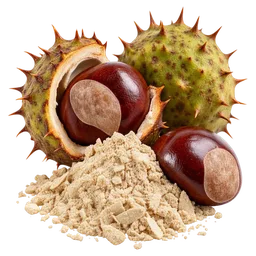
Aescin
Best for
Ease symptoms of chronic venous insufficiency
Likely real but unnoticeable 1 meta-analysis, n=502 #2 of 2 studied
- 1 papers
- 1 of 1 outcomes
- 1 positive
Aescin likely provides a real but unnoticeable improvement in heavy, swollen legs associated with chronic venous insufficiency, making day-to-day relief modest and difficult for many people to notice.
Risk, worst reported severity
- gastrointestinal adverse events
- constipation
- cisplatin moderate
- warfarin minor
What aescin actually does
Chronic venous insufficiency can cause leg swelling, aching, and heaviness. 23152216
| Outcome | Effect | Evidence | Dose | Time | Rank |
|---|---|---|---|---|---|
| Modest benefits 1 | |||||
| Ease symptoms of chronic venous insufficiency Likely real but unnoticeable Chronic venous insufficiency can cause leg swelling, aching, and heaviness. | | 1 meta-analysis 1 papers · n=502 | — | — | #2 /2 |
Effect tiers come from native-unit MCID where available, Cohen's d otherwise.
Dose, timing & forms
How much
The available evidence does not establish a dependable dose range for noticeable leg comfort. The reviewed research supports only a trivial change in heavy or swollen-leg symptoms, so increasing the dose to chase a stronger effect lacks a solid evidence basis.1 Follow the product label and discuss persistent leg swelling with a clinician rather than self-escalating.
When and how long
Research does not establish a best time of day, meal timing, or split-dose schedule for aescin. Consistency matters more than timing if you choose to try a labeled product, but the current evidence does not show that a particular routine creates a noticeable advantage.1
Forms & standardisation
Look for a product that clearly identifies horse chestnut seed extract and states its aescin standardization. The clinical evidence concerns extract preparations, not raw horse chestnut seed or loosely specified plant powders.1 A clear label helps you know what you are taking, but it does not guarantee a meaningful symptom change.
Adverse events and drug interactions
Safety events
Drug interactions
What this is and how it works
- Across 1 study (n=502), aescin improved heavy, swollen-leg symptoms, but the benefit was likely unnoticeable.1
- Evidence reviewed here comprises 1 paper spanning 1 consumer-facing outcome in people with chronic venous insufficiency.
Aescin is a group of natural compounds from horse chestnut seeds. Supplements often use a horse chestnut seed extract standardized for these compounds rather than the raw seed itself.1
Bottom line
Aescin is a reasonable experiment for mild heavy or swollen-leg discomfort if you want a modest, low-expectation option. The evidence base is thin and the observed benefit is likely too small for many people to notice.1 Seek medical advice for new, one-sided, painful, or persistent leg swelling, and check with a clinician before use if you take anticoagulant medication.
Common questions
What is aescin used for?
Does aescin reduce swollen legs?
Is aescin the same as horse chestnut?
Sources
Sources
Generated August 27, 2026