Activated Charcoal
What the trials found
Activated charcoal can limit absorption of certain swallowed poisons, but evidence does not support routine detox use in otherwise healthy adults.
- 1 papers
- 0 of 4 outcomes
- 1 major interaction
Risk, worst reported severity
- acetaminophen major
Dose, timing & forms
How much
There is no evidence-based everyday supplement dose to recommend from the reviewed evidence. Activated charcoal is used in selected acute poisoning situations, where clinicians decide whether it fits the substance, timing, and person involved. Do not self-dose for a suspected overdose or poisoning. Contact emergency services or a poison center right away.1
When and how long
Forms & standardisation
The relevant form is medical activated charcoal, not ordinary charcoal products. A label saying "activated" does not turn charcoal into a general wellness supplement, and pore structure does not guarantee that it binds every substance.1 For any potential poisoning exposure, seek immediate professional guidance instead of choosing a product or form yourself.1
Adverse events and drug interactions
Drug interactions
What this is and how it works
- One position paper reviewed activated charcoal for poison absorption; no pooled effect estimate or MCID was reported.1
- One paper reviewed here spans four outcomes, focusing on single-dose use after potentially toxic ingestion.1
- Activated charcoal is not a general detoxifier and can interfere with absorption of oral medicines.1
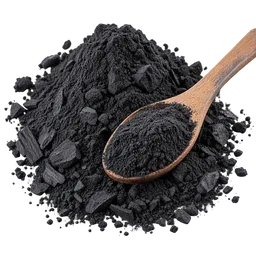
Activated charcoal is carbon that manufacturers heat and treat to create an enormous network of tiny pores. Those pores give it a large surface that can hold onto some chemicals inside the digestive tract, rather than acting like a nutrient your body uses.1
Common questions
Does activated charcoal detox your body?
Can you take activated charcoal every day?
Does activated charcoal interfere with acetaminophen?
Sources
Sources
Generated August 27, 2026