New Curcumin Published May 28, 2026
The Golden Paradox: When a Kitchen Spice Meets the Hard Edges of Science
Less joint pain and stiffness, reduced inflammation, gentler mood support, and quicker muscle recovery
Evidence summary
Curcumin is the turmeric compound with the clearest human evidence for easing osteoarthritis pain and stiffness, while active ulcerative colitis shows an additional adjunctive benefit.
- Across 11 meta-analyses, curcumin reduced osteoarthritis pain, stiffness, and function scores 2.
- Three grams daily added to mesalamine induced remission in active ulcerative colitis within four weeks.
- Turmeric products vary in curcumin content, so kitchen-spice doses differ sharply from trial formulations 1.
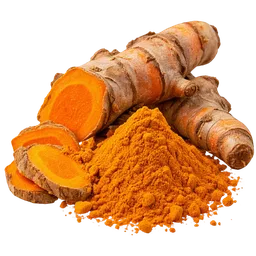
You cradle a mug of golden milk—turmeric swirling like sunlight—while, across campus, a chemist calls the same yellow molecule a "cautionary tale." How can both be true?
From temple dye to test tube
For centuries, turmeric has colored ceremonies, kitchens, and skin—burnishing rice, anointing brides, and flavoring the Ayurvedic nightcap haldi doodh. Traditional doctors reached for it to soothe joints, skin, stomach, and spirit. Modern agencies catalog the same history with caveats: promising signals, uneven trials, and a puzzle about how much curcumin—the bright pigment inside turmeric—actually reaches the blood. 1 The backstory stretches into early chemistry. European scientists isolated turmeric's "orange-yellow substance" in the 1800s, finally pinning down curcumin's structure in 1910. 17 Culture crowned it a household remedy; science began asking harder questions.
The first plot twist: Curcumin barely sneaks in
Swallow curcumin by itself and your gut and liver dismantle it quickly—like vigilant bouncers escorting a celebrity out a side door. In a small human study, adding piperine (the sharp compound in black pepper) boosted curcumin's appearance in blood roughly twentyfold—about 2000%—for a brief window. 10 That kitchen pairing became legend. It also set the stage for a second twist: pushing absorption higher may raise risk for a few people, including rare cases of liver injury reported with certain high-bioavailability products, sometimes paired with black pepper. 13 The U.S. National Center for Complementary and Integrative Health puts it bluntly: "Highly bioavailable formulations of curcumin.. may harm your liver." 1
"Curcumin is a cautionary tale," medicinal chemist Michael Walters warned, describing how the molecule can mislead lab tests and frustrate drug hunters. 11 That doesn't mean curcumin is useless; it means we need careful trials in people, not just petri dishes.
Where the evidence is strongest: Aching knees
Here, the yellow spice steps out of the kitchen and holds its own. Multiple randomized trials and meta-analyses show turmeric/curcumin extracts can reduce osteoarthritis knee pain and improve function compared with placebo—benefits people can feel. 23 One eight-week trial using a more absorbable "Theracurmin" formulation lowered pain scores and reduced reliance on celecoxib. 4 In an open-label head-to-head study, curcumin (a BCM-95 extract) achieved pain relief similar to diclofenac over four weeks with fewer stomach side effects—suggesting a tolerable option for some who can't handle NSAIDs, though the design limits firm conclusions. 5 If pain is the fire alarm, curcumin seems to quiet parts of the building: a 2025 meta-analysis in knee OA found reductions in blood markers like C-reactive protein and TNF-alpha—shorthand for damping down the chemical sparks of inflammation. 6
Hints beyond joints: mood, gut, and muscles
What about the brain? A pooled analysis of ten trials (n=594) found a small but significant reduction in depressive symptoms, while cautioning the overall evidence quality was low. Think flicker, not floodlight. 7 In ulcerative colitis, a handful of RCTs suggest curcumin can help induce remission when added to standard mesalamine—especially at higher doses or via enemas—though not every trial hits the mark. 8 One double-blind study reported that 3 grams per day plus mesalamine induced clinical and endoscopic remission within four weeks in over half of participants, versus none on placebo. 9 By contrast, very low oral doses failed. 8 Athletes and weekend warriors may notice something simpler: less next-day muscle soreness. Meta-analyses report modest reductions in soreness and muscle damage markers after hard eccentric exercise, with small gains in strength recovery—like turning down the volume on post-workout ache. 15
The paradox laid bare
So why do some chemists bristle while some clinicians nod? Part of the riddle is curcumin's behavior in lab screens. It fluoresces, sticks to proteins, and falls apart in ways that can trick assays—earning labels like PAINS (pan-assay interference) and "improbable lead" for drug development. 12 But drug-discovery rules aren't the same as nutrition and symptom management. In people, whole-body outcomes—less pain, better function—matter more than a single molecular bull's-eye. OA pain trials and UC adjunct studies live in that practical middle. Another piece is delivery. Enhancing absorption with black pepper or engineered particles can a reluctant guest into a VIP. That can help efficacy; it may also make side effects more likely in rare, susceptible individuals—one DILIN case series linked most injuries to hepatocellular patterns and found a strong association with HLA-B*35:01, a genetic tag. 13 A 59-year-old woman in a recent case report developed jaundice after long-term turmeric use; stopping the supplement resolved her labs within a month. 14
What it seems to do—translated
- In joints, curcumin appears to dial down the body's "fire alarm" signals—proteins like TNF-alpha and CRP—so nerves perceive less threat and movement hurts less. 6
- In colitis, add-on curcumin may soothe the inflamed lining so it can knit back together, particularly when combined with standard therapy. 89
- After hard exercise, it likely acts like a wet blanket over the local brushfire—lessening the soreness smoke and helping strength rebound sooner. 15
Microbiome pilots add a fresh clue: in some people, turmeric/curcumin shifted gut bacteria profiles—suggesting that part of the story may run through our resident microbes. 16
How people actually use it (and what to watch)
If you're trying curcumin for knees, most trials ran 6–12 weeks. Common doses were the equivalent of 500–1500 mg/day of curcuminoids (often split), with either 5–10 mg of piperine or a branded bioavailable form at lower milligram amounts. Take it with meals and some fat—think of fat as the ferry that helps the pigment cross the river. 3410
Two cautions deserve respect:
- Liver: rare but real injuries have been linked to some high-bioavailability products, occasionally those paired with black pepper; stop and seek care if you notice fatigue, nausea, dark urine, or jaundice. 113
- Meds: because curcumin and piperine can alter drug handling or platelet stickiness, check with your clinician if you use anticoagulants or other narrow-therapeutic-index drugs. 110
The honest bottom line
For osteoarthritis pain, the signal is fairly consistent: curcumin-rich extracts can reduce pain and improve function beyond placebo, with tolerability advantages over some NSAIDs in short-term studies. 235 For depression and ulcerative colitis, benefits appear possible but uneven and dose-dependent; more rigorous trials will tell us who truly benefits. 789 For muscle soreness, expect modest relief, not magic. 15 And for everyone, remember both sides of the paradox: cultural wisdom that found something useful—and modern checks that keep us honest when enthusiasm outpaces evidence.
As NCCIH sums up the state of knowledge: initial findings are positive in some areas, but "we don't know enough to definitively conclude if turmeric or curcumin is beneficial for any health purposes." 1 Curcumin is neither a miracle nor a mirage. It's a bright tool—most helpful when used where evidence is strongest, with eyes open to formulation, dose, and context.
Key takeaways
What to walk away with
- 01
Evidence suggests curcumin can reduce osteoarthritis pain and stiffness and improve function, with benefits accruing over weeks rather than days.
- 02
Curcumin absorbs poorly; adding small amounts of piperine can markedly raise blood levels, and some branded "high-bioavailability" forms use much lower milligram doses.
- 03
For knees, trials commonly used 500–1500 mg/day curcuminoids over 6–12 weeks; some enhanced formulas worked around ~180 mg/day—start low and take with food/fat.
- 04
Think consistency: take with meals and give it 1–2 months—more like a slow color wash than a quick fix; athletes may see modest reductions in next-day soreness.
- 05
Who may benefit: people with knee osteoarthritis, athletes seeking gentler recovery, and those with mild–moderate ulcerative colitis as an add-on to mesalamine under GI supervision.
- 06
Cautions: watch for jaundice, dark urine, or severe fatigue; use care with blood thinners and narrow-therapeutic-index drugs; discuss use if you have liver disease or abnormal liver tests.
Effect timeline
When to expect what
- Immediate
- No
- Peak
- 4-8 weeks
- Duration needed
- 8-12 weeks minimum
- Wears off
- 2-4 weeks after stopping
Research trajectory
What the studies actually show
-
Across 11 meta-analyses, curcumin reduced osteoarthritis pain and stiffness and improved function. 2
An umbrella meta-analysis pooled prior meta-analyses to test the consistency of effects.
Positions OA as the most evidence-backed use case.
-
Piperine can transiently increase curcumin's measurable levels in blood by about 2000% in humans. 10
A small crossover study in healthy volunteers compared curcumin alone vs with black pepper extract.
Explains why formulations or culinary pairings change real-world effects—and risks.
-
In active ulcerative colitis, 3 g/day curcumin added to mesalamine induced clinical and endoscopic remission within 4 weeks. 9
A double-blind trial enrolled mesalamine nonresponders and tracked remission rates.
Suggests curcumin as an adjunct in a defined setting rather than a standalone cure.
Human trials
What real trials found
-
59-year-old woman developed painless jaundice after long-term turmeric supplement use; labs showed hepatocellular injury and high ferritin; biopsy acute hepatitis. 14
- Outcome
- Stopping the supplement normalized liver tests within a month.
- Why it matters
- Illustrates rare but significant liver risk—especially with enhanced-bioavailability or black pepper combinations.
- Source
- Case report of turmeric-associated DILI with hyperferritinemia
-
Multicenter RCT added 3 g/day curcumin to mesalamine in active mild–moderate UC. 9
- Outcome
- 54% reached clinical remission at 4 weeks vs 0% on placebo; endoscopic remission also higher.
- Why it matters
- Shows potential as an adjunct in a specific condition and dose window.
- Source
- Randomized trial in ulcerative colitis (curcumin + mesalamine)
-
Eight-week OA trial using highly bioavailable curcumin (Theracurmin). 4
- Outcome
- Lower pain scores and reduced celecoxib use vs placebo with no major adverse effects.
- Why it matters
- Concrete, time-bound benefits in a common, painful condition.
- Source
- Randomized, double-blind knee OA study
Expert insights
Voices in the field
Curcumin is a cautionary tale. 11
Highly bioavailable formulations of curcumin... may harm your liver. 1
Practical guidance
Putting it to use
Who may benefit
People with knee osteoarthritis seeking pain relief and better function; athletes wanting modestly less next-day soreness; patients with mild–moderate ulcerative colitis exploring an add-on to mesalamine under GI supervision.
Dosing
For knees, most trials used 500–1500 mg/day curcuminoids for 6–12 weeks; bioavailable brands used lower milligram doses (e.g., ~180 mg/day Theracurmin). Start low, take with meals; consider 5–10 mg piperine unless your product is already enhanced.
Timing
Think of curcumin as a slow color wash, not a flash—consistency over 1–2 months mattered in trials; take with food and a little fat to ferry it across your gut.
Quality
Prefer third-party tested products; be clear on whether your bottle is standard or "enhanced bioavailability"—that detail affects both efficacy and risk.
Cautions
Stop and seek care for jaundice, dark urine, or severe fatigue; be cautious if you use blood thinners or other narrow-therapeutic-index drugs; discuss plans with your clinician if you have liver disease or abnormal liver tests.
A closing thought
Some remedies endure because they work in kitchens and communities; some fade under fluorescent lab lights. Curcumin's enduring value likely lives between those worlds—useful when the question is comfort and function, and humbler when the question is cure. Science's job is not to dim tradition's light, but to focus it where it helps most and safest.
Frequently asked
Common questions
What dose should I start with for knee osteoarthritis?
How long before curcumin starts to help?
Do I need black pepper (piperine) with curcumin?
Who should avoid or be cautious with curcumin?
Are highly bioavailable curcumin products safer or better?
Related
More on this supplement
Pulled from across the site — rankings, comparisons, combinations, and reviews where this supplement shows up.
Ingredient evidence
Ingredient evidence
NewCurcumin
All scored outcomes
Aug 27, 2026
Evidence map
Sleep
NewSleep: evidence map across 37 supplements
Evidence coverage map
Jul 30, 2026
Evidence map
Stress
NewStress: evidence map across 46 supplements
Evidence coverage map
Jul 30, 2026
Evidence map
Metabolic health
NewMetabolic health: evidence map across 82 supplements
Evidence coverage map
Jul 30, 2026
Sources
- 1. Turmeric: Usefulness and Safety | NCCIH (2025)
- 2. The efficacy of curcumin in relieving osteoarthritis: A meta-analysis of meta-analyses (2024)
- 3. Curcuma longa extract vs placebo for knee osteoarthritis: systematic review and meta-analysis (2021)
- 4. Short-term effects of highly-bioavailable curcumin for treating knee osteoarthritis: RCT (2014)
- 5. Curcumin vs diclofenac in knee osteoarthritis: randomized open-label study (2019)
- 6. Effects of curcumin on serum inflammatory biomarkers in knee osteoarthritis: SRMA of RCTs (2025)
- 7. Curcumin for depression: systematic review and meta-analysis (2021)
- 8. Efficacy of adjuvant curcumin therapy in ulcerative colitis: meta-analysis of RCTs (2019)
- 9. Curcumin + mesalamine induces remission in mild–moderate UC: RCT (2015)
- 10. Influence of piperine on the pharmacokinetics of curcumin in humans (1998)
- 11. Deceptive curcumin offers cautionary tale for chemists | Nature (2017)
- 12. The Essential Medicinal Chemistry of Curcumin (2017)
- 13. Liver injury associated with turmeric: Ten cases from the U.S. DILIN (with HLA-B*35:01 link) (2023)
- 14. Case of turmeric-induced hepatotoxicity with hyperferritinemia (2025)
- 15. Curcumin and delayed-onset muscle soreness: systematic review and meta-analysis (2022)
- 16. Turmeric/curcumin alter human gut microbiota: double-blind pilot study (2018)
- 17. Curcumin: Biological Activities and Modern Pharmaceutical Forms (history table) (2022)
1,128 words · 17 sources · Curcumin