New Calcium Published May 24, 2026
Stone, Fire, and a Food That Fortified a Continent: The Real Story of Calcium
Stronger bones, safer pregnancies, and heart rhythm support when dietary intake falls short
Evidence summary
Calcium most clearly lowers preeclampsia risk in pregnancy, especially when dietary intake is low, while routine supplementation offers little fracture benefit and can add kidney-stone and heart risks.
- Across 30 studies (n=20,445), calcium reduced preeclampsia risk by about half, especially in low-intake pregnancies.6
- Pregnancy trials used 1 to 2 grams daily, with the clearest gains where dietary calcium was scarce.
- Calcium supplements without vitamin D were linked to more myocardial infarctions, while dietary calcium was not.
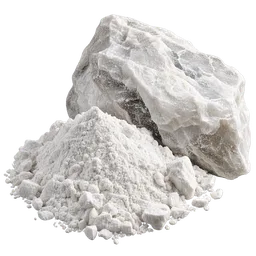
In 1808, a young Humphry Davy hooked his new battery to a paste of "lime," boiled off the mercury, and—against all expectations—pulled a silvery metal from stone. He called it calcium, after calx, the old word for burnt limestone. Two centuries later, calcium still sits at the center of a different kind of experiment: what happens when a mineral that built civilizations becomes a supplement in your cabinet? 1
A metal pulled from stone—and into our bones
Davy's stunt at the Royal Institution wasn't a parlor trick; it was a pivot point. He used electricity to wrench calcium free from lime, proving the "earths" of Lavoisier were really oxides hiding undiscovered metals. The element's name—rooted in stone—foreshadowed its destiny: 99% of the calcium in your body ends up as bone and teeth, a living scaffold that makes strength look effortless while quietly running nerves, muscles, blood clotting, and the rhythm of your heart. 112
The tortilla that became a calcium delivery system
Now shift scenes: a kitchen in Mesoamerica, centuries before Davy. Corn kernels simmer in water and lime (calcium hydroxide), an alchemy called nixtamalization. The process loosens husks, brightens flavor—and infuses the grain with calcium. In modern studies, tortillas made this way can carry roughly 160–230 mg of calcium per 100 g; more importantly, people can use that calcium. In a tracer study, women absorbed about half the calcium from low-phytate, nixtamalized tortillas, compared with about a third from typical maize—proof that an ancient technique functioned as mineral fortification long before we had the term. 161314 The idea that culture can engineer nutrition is part of calcium's paradox. Sometimes tradition gets the dose and the delivery right. Sometimes, modern shortcuts do not.
When more isn't better
You've probably heard that calcium supplements protect bones. The landmark Women's Health Initiative (36,282 postmenopausal women) put that belief under a brighter light. Daily calcium (1,000 mg as carbonate) plus vitamin D (400 IU) nudged hip bone density up a sliver, but didn't significantly cut hip fractures—and it raised kidney stone risk (hazard ratio 1.17). Adherent women did see a hip-fracture benefit, hinting the story depends on the person, the dose, and the follow-through. 2 That nuance helped drive the U.S. Preventive Services Task Force to advise against routine low-dose vitamin D and calcium for primary fracture prevention in community-dwelling older adults, and a 2024–2025 update continues to find no preventive benefit across a range of doses. Supplements may help those with documented shortfalls; blanket prevention claims don't hold. 34 Cardiologists add another twist. A patient-level meta-analysis reported a modest increase in myocardial infarction with calcium supplements (without vitamin D). Dietary calcium didn't carry that signal. While the field remains mixed, the "bolus" delivery from pills may spike serum calcium transiently in a way food does not. 5
"More is not necessarily better.. You can overdo it," says cardiologist Erin Michos, who urges clinicians to discuss potential cardiovascular risks of calcium pills and to prioritize diet first. 11
Food first, with eyes open
"Ultimately, I think that the best way to get nutrients is through our food," adds preventive cardiologist Martha Gulati. She's vegan herself and points to dependable options: dairy or fortified plant milks, tofu set with calcium salts, leafy greens like bok choy and collards, almonds, beans, sardines, and canned salmon. 10 Why food first? Bioavailability and co-passengers. Your gut absorbs roughly 30% of calcium from dairy or fortified foods, far less from spinach because oxalates lock it up. Vitamin D acts like a backstage pass, opening the intestinal door; without it, much of calcium's potential goes unused. 12 Pragmatics matter: carbonate is cheapest but needs stomach acid—take it with meals. Citrate doesn't, and suits people on acid-suppressing meds. Either way, your cells can only usher in so much at once; split doses of 200–500 mg beat a 1,000 mg slug. Give levothyroxine and some antibiotics space—hours apart—so they're not grabbed by calcium on the way through. And stay under the tolerable upper limit (2,500 mg/day for most adults under 51; 2,000 mg/day at 51+). 18 Kidneys care about delivery, too. Here's a counterintuitive piece: higher dietary calcium is linked to lower kidney-stone risk, partly because it ties up oxalate in the gut. But pills—especially layered on top of adequate diets—can tilt toward stones in some people. Hydration and moderate sodium (salt pushes calcium into urine) matter as much as milligrams. 82
A place calcium clearly saves lives
There is one domain where supplementation tells a brighter story: pregnancy in communities with low dietary calcium. In multiple trials and Cochrane reviews, high-dose calcium (≥1 g/day) reduced the risk of preeclampsia and related complications; lower doses show promise, too. This is calcium acting like crowd control for maternal blood pressure, shifting outcomes when food systems fall short. Policy bodies, including WHO, translate that into guidance for at-risk settings. 67
The cautionary tale: milk-alkali syndrome
Too much of a good thing can dangerous. Case reports describe people developing severe hypercalcemia, kidney injury, and metabolic alkalosis after heavy use of calcium carbonate tablets—an old syndrome reborn in the supplement era. It usually reverses with fluids and stopping the calcium, but it's a stark reminder that "natural" doesn't mean "no ceiling." 9
The pulse of a molecule
If bones are your mineral vault, calcium ions are your messengers—tiny couriers that slip past the brain's security, snap muscle fibers into action, cue clotting, and whisper instructions between cells. Your body guards that signal so fiercely that blood calcium barely budges; if intake drops, it quietly "withdraws" from the bone bank to keep the message traffic flowing. Diet, sunlight or supplement when needed, and movement all help keep that ledger in the black. 12
Looking ahead
Two puzzles animate the next chapter. First, refinement: who truly benefits from pills, at what dose, and with what co-nutrients—vitamin D, protein, vitamin K—without inviting kidney or cardiovascular harms? Second, food systems: can we learn from nixtamalization and scale culturally smart fortification that improves use, not just content? Even milk's place is being reconsidered; a large Swedish cohort linked very high milk intake with higher mortality and fractures in women, while fermented dairy told a gentler story—associations, not verdicts, but enough to push for better trials. 15 Calcium began as stone and became structure, signal, and story. The wisest path isn't maximal—it's matched: the right amount, in the right form, for the right person, most often on a plate.
Key takeaways
What to walk away with
- 01
Calcium is literally 'stone in the body': 99% resides in bones/teeth while also supporting nerves, muscles, clotting, and heart rhythm.
- 02
Culture solved deficiency with nixtamalization—lime-treated corn that lifted dietary calcium long before supplements existed.
- 03
Evidence is mixed: major trials show modest BMD gains without clear fracture reduction and a kidney-stone signal; dietary calcium isn't implicated the same way.
- 04
Dosage strategy: target 1,000–1,200 mg/day from food; if supplementing, use 200–500 mg per dose and split rather than a single large tablet.
- 05
Form and timing matter: take carbonate with meals (needs acid); citrate works with or without food and suits people on acid-suppressing therapy.
- 06
Cautions and fit: stay under the UL (2,500 mg for 19–50; 2,000 mg for 51+), separate from levothyroxine and some antibiotics, and consider specific groups who benefit.
Effect timeline
When to expect what
- Immediate
- No
- Peak
- 6–12 months for bone density changes; within pregnancy for preeclampsia risk reduction
- Duration needed
- Ongoing daily intake; supplement only to cover dietary gaps
- Wears off
- Gradually over months as bone remodels; kidney stone and serum calcium effects resolve after discontinuation and hydration
Research trajectory
What the studies actually show
-
In WHI, calcium (1,000 mg/day) + vitamin D (400 IU/day) did not significantly reduce hip fractures overall, modestly improved hip BMD, and increased kidney stone risk (HR 1.17). 2
Largest RCT of CaD in healthy postmenopausal women; adherence influenced subgroup results.
Undercuts routine blanket supplementation and highlights a harm signal.
-
USPSTF recommends against routine low-dose vitamin D and calcium for primary fracture prevention in community-dwelling older adults; draft update (2024–2025) again finds no benefit across doses. 3
Systematic reviews informing preventive guidance since 2018; update in progress.
Guideline-level assessment shaping clinical practice.
-
Patient-level meta-analysis associates calcium supplements (without vitamin D) with increased myocardial infarction risk; dietary calcium not implicated. 5
BMJ analysis pooling RCT data; continuing debate but consistent signal warrants caution.
Elevates cardiovascular safety as a decision factor for supplements.
-
High-dose calcium during pregnancy (≥1 g/day) reduces preeclampsia and related complications, particularly where dietary calcium is low. 6
Cochrane reviews of multiple RCTs; WHO guidance derives from this body of evidence.
Identifies a clear, context-specific benefit of supplementation.
-
Nixtamalization adds calcium to maize; human tracer study shows higher fractional absorption (~50% vs ~35%) from low-phytate, lime-treated tortillas. 13
AJCN dual-isotope study with controlled tortilla meals.
Validates a traditional processing method as effective mineral delivery.
Human trials
What real trials found
-
A 42-year-old man presented with severe hypercalcemia, nausea, and acute kidney injury after months of heavy calcium carbonate antacid use (6–8 g on most days). 9
- Outcome
- Stopping calcium and aggressive hydration normalized calcium and kidney function; diagnosis: milk-alkali syndrome from excess calcium carbonate.
- Why it matters
- Illustrates the real-world danger of overdosing calcium via OTC products.
- Source
- American Journal of Medicine case report on milk-alkali syndrome (2013).
-
Women's Health Initiative randomized 36,282 postmenopausal women to calcium (1,000 mg) + vitamin D (400 IU) or placebo for ~7 years. 2
- Outcome
- Small hip BMD gain without significant hip fracture reduction; increased kidney stone risk (HR 1.17).
- Why it matters
- Shows that routine supplementation isn't universally protective and may carry harms.
- Source
- NEJM 2006 WHI CaD Trial.
Expert insights
Voices in the field
Ultimately, I think that the best way to get nutrients is through our food. I don't advocate for a lot of supplements unless somebody truly can't get it from food. 10
More is not necessarily better... You can overdo it. 11
Practical guidance
Putting it to use
Who may benefit
People with low calcium diets (limited dairy/fortified foods), vegans if foods aren't fortified, adults on PPIs or after bariatric surgery (prefer citrate), those on osteoporosis therapy needing to meet baseline intake, and pregnant individuals in low-calcium-intake settings (per clinic policy).
Who should avoid
Known hypercalcemia or primary hyperparathyroidism; recurrent calcium-stone formers without clinician guidance; sarcoidosis or advanced CKD; caution with thiazide diuretics (can raise serum calcium).
Dosing
Aim for total intake of 1,000–1,200 mg/day from food first. If you need a supplement to cover a gap, use 200–500 mg per dose rather than a single large tablet.
Timing
Take calcium carbonate with meals (needs acid); calcium citrate can be taken with or without food and suits people on acid-suppressing therapy. Split doses; separate by several hours from levothyroxine and certain antibiotics.
Quality
Choose third-party tested products; check labels on plant milks (ensure calcium is added). Fortified juices may use well-absorbed calcium citrate malate.
Cautions
Stay under the UL (2,500 mg/day ages 19–50; 2,000 mg/day 51+). Pill forms can raise kidney stone risk in some and may carry a small heart risk signal; prioritize dietary sources and hydration.
A closing thought
Calcium's lesson isn't maximalism; it's fit. Culture found fit in lime-cooked corn; chemistry found fit in Davy's current; medicine finds fit by matching form, dose, and context to a human life. Most days, the right move is simple food. Some days, it's a measured pill. Wisdom is knowing which day is which.
Frequently asked
Common questions
Should I get calcium from food or supplements?
What's the right dose if I do need a supplement?
Which form is better—calcium carbonate or citrate?
Are there medication timing conflicts?
What are the main risks of calcium pills?
Who is most likely to benefit from supplementing?
Related
More on this supplement
Pulled from across the site — rankings, comparisons, combinations, and reviews where this supplement shows up.
Ingredient evidence
Ingredient evidence
NewCalcium
All scored outcomes
Aug 27, 2026
Ranking
Hypertensive Disorders of Pregnancy
NewBest Supplements to Lower Blood Pressure in Pregnancy (2026)
Evidence ranking
May 18, 2026
Ranking
High Blood Pressure
NewBest Supplements for Blood Pressure, Ranked by Clinical Evidence
Evidence ranking
Apr 4, 2026
Sources
- 1. Calcium | Definition, Properties, & Compounds (2024)
- 2. Calcium plus Vitamin D Supplementation and the Risk of Fractures (WHI) (2006)
- 3. USPSTF Recommendation: Vitamin D, Calcium, or Combined Supplementation for the Primary Prevention of Fractures (2018) (2018)
- 4. USPSTF Draft Update: Vitamin D, Calcium, or Combined Supplementation for Falls and Fractures (2024)
- 5. Effect of calcium supplements on risk of myocardial infarction and cardiovascular events: meta-analysis (2010)
- 6. Calcium supplementation during pregnancy for preventing blood pressure disorders and related problems (Cochrane) (2018)
- 7. Calcium supplementation during pregnancy for preventing hypertensive disorders and related problems – update (2018)
- 8. A Prospective Study of Dietary Calcium and Risk of Kidney Stones (HPFS) and related cohorts (1993)
- 9. Severe Hypercalcemia from the Milk-Alkali Syndrome (case report) (2013)
- 10. Cracking the calcium code to understand its role in health (AHA News) (2024)
- 11. Dietary sources, not supplements, ideal for calcium, vitamin D (Healio) (2023)
- 12. NIH ODS: Calcium – Health Professional Fact Sheet (2025)
- 13. Calcium Absorption from Tortilla Meals Prepared from Low-phytate Maize (2005)
- 14. Effect of processing conditions on phytic acid and calcium in lime-cooked maize (2004)
- 15. Milk intake and risk of mortality and fractures in women and men (BMJ cohort) (2014)
- 16. Commercial limes in tortilla production: calcium content range (2024)
1,097 words · 16 sources · Calcium