Can I take all my supplements at once?
Nov 20, 2026 · 2 min read · 5 sources

Most supplements can usually be taken together, but separate iron from calcium and space large mineral doses apart for better absorption.
The real issue is not whether your stomach can handle a handful of capsules. It is whether one ingredient blocks another, or whether the whole stack makes you nauseous enough to quit.
Take them together if the stack is ordinary and your stomach tolerates it. I would not take iron in the same handful as calcium, magnesium, zinc, or a calcium heavy multivitamin, and I would not ignore medication spacing rules.
Most supplements do not need a private appointment
For everyday logistics, one meal is fine for most common supplements. Vitamin D, fish oil, creatine, collagen, vitamin C, a probiotic, and a standard multivitamin do not become useless because they arrived together. The label still matters, because dietary supplements have required Supplement Facts labeling and serving size instructions in the United States, but the existence of a label is not the same as proof that morning timing is magic.3
The practical reason to use a meal is tolerance. Minerals, fish oil, and some botanicals can bother the stomach when swallowed alone. A meal also helps fat soluble nutrients. In a 50 person vitamin D3 absorption trial, taking 50,000 IU vitamin D3 with a fat containing breakfast produced a 32 percent higher mean peak 12 hour vitamin D3 level than taking it with a fat free meal.2 That does not mean you need a spoonful of oil. It means lunch with eggs, yogurt, avocado, olive oil, meat, or nuts is already doing the job.
Iron is the one I would not bury in the pile
If you are taking iron because ferritin is low, do not toss it into a mineral stack and hope for the best. Calcium is the main timing problem. A review of human studies concluded that calcium can inhibit both heme and nonheme iron absorption, whether the calcium comes from salts or dairy.1 A separate 61 person absorption study found a more mixed picture by context, which is exactly why I would keep the rule simple: if iron is the supplement you care about, give it a cleaner window.4
My rule: take iron with vitamin C or a vitamin C containing drink, and keep it away from calcium supplements, dairy, and magnesium or zinc pills by about two hours. This is not because a single mistake ruins your iron status. It is because repeated daily interference is easy to avoid.
Large mineral doses are the other case where spacing is reasonable. Calcium, magnesium, zinc, and iron share absorption territory, and they are also the pills most likely to cause nausea or loose stools. NIH lists 350 mg per day as the adult upper limit for magnesium from supplements or medicines, separate from magnesium in food, with diarrhea as the main limiting effect.5 If your nighttime magnesium makes your gut angry, the schedule is not the problem. The dose or form probably is.
The confound is the perfect schedule
The thing people overrate is precision. They hear that one nutrient affects another and turn a supplement routine into six alarms. That is usually overkill. The bigger wins are boring: take fat soluble vitamins with a real meal, protect iron, split minerals if the dose is large, and follow medication spacing rules.
The real red flag is medication overlap. Calcium, magnesium, iron, and zinc can interfere with some prescriptions, especially thyroid hormone and certain antibiotics. If your prescription label says to separate minerals, do that exactly. That is not wellness optimization. That is drug absorption.
Here is the decision I would make today: put the easy supplements with your most reliable meal. Move iron to its own slot. Move magnesium to evening only if it helps tolerance or routine. If your stack causes nausea, split it into breakfast and dinner before you buy anything new.
Supplements in this article
-
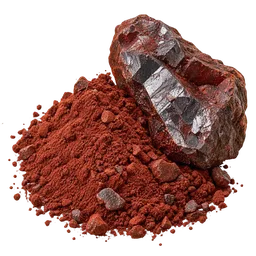
Iron
Less iron deficiency and anemia · Helps a little
-

Calcium
Lower blood pressure in pregnancy · Probably helps
-

Magnesium
Better sleep quality · Probably helps a little
-

Zinc
Preventing or shortening diarrhea · Helps a little
-

Vitamin D
Fewer infections · Probably barely helps
-

Omega-3
Lower triglycerides · Helps a little
-

Creatine
More muscle strength · Helps a little
-

Collagen
Slower skin aging · Probably helps
-

Vitamin C
Fewer infections · Barely helps
Worth knowing
- Minerals can affect some medicines, so prescription label spacing should override a general supplement schedule.
- The answer covers common nutrient timing, not every botanical, stimulant, extract, or high dose stack.
- Iron, vitamin D, and other deficiencies need dosing and monitoring decisions beyond simple scheduling.
Common questions
Can I take a multivitamin, vitamin D, and fish oil together?
What supplements should not be taken together?
Is it better to split supplements between morning and night?
Sources
- 1. Calcium and iron absorption: mechanisms and public health relevance (2011) primary support for separating iron from calcium
- 2. Dietary fat increases vitamin D-3 absorption (2015) primary support for taking vitamin D with a fat containing meal
- 3. Dietary Supplement Labeling Guide (2022) labeling and serving instruction context
- 4. Calcium supplementation: effect on iron absorption (1991) nuance on calcium and iron interaction by context
- 5. Magnesium Fact Sheet for Consumers (2025) magnesium supplemental upper limit and diarrhea rationale