I fall asleep fine but wake up at 3 a.m. Is a sleep supplement the answer?
Nov 13, 2026 · 2 min read · 5 sources
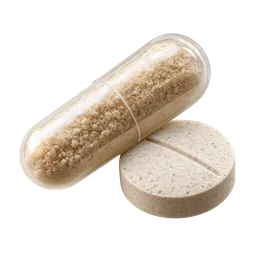
Sleep supplements are usually not the answer for 3 a.m. waking when falling asleep is already easy.
The frustrating version of bad sleep is not lying awake at bedtime. It is waking at 3 a.m., doing the math on how little night is left, and shopping for capsules the next day.
I would not make a sleep supplement your first move. I would spend one week treating the 3 a.m. wake-up as a sleep-maintenance problem, then consider a targeted option only if the pattern is still there.
The supplement aisle is solving the wrong half of the night
Most sleep supplements are sold as if all insomnia is one thing. It is not. Falling asleep and staying asleep are different problems. If you fall asleep quickly, a stronger bedtime sedative can leave the real issue untouched and make the morning worse.
The best-supported non-drug treatment for chronic insomnia is still cognitive behavioral therapy for insomnia, or CBT-I. The American Academy of Sleep Medicine gives multicomponent CBT-I a strong recommendation for adults with chronic insomnia disorder.1 That matters here because CBT-I targets the behaviors that often keep 3 a.m. waking alive: too much time in bed, checking the clock, irregular wake time, and training your brain to treat wakefulness in bed as normal.
If this has been happening three or more nights a week for months, use a real insomnia assessment, not just a shopping trip. A basic sleep diary for 7 to 14 nights tells you what a bottle cannot: bedtime, wake time, alcohol, caffeine, naps, exercise, awakenings, and how long you are actually sleeping.
The trials do not point to a simple supplement fix
Magnesium is the tempting answer because it feels low-risk and biological. The evidence is not useless, but it is not specific enough for your 3 a.m. problem. A 2025 randomized, placebo-controlled trial enrolled 155 adults with poor sleep and used 250 mg elemental magnesium as magnesium bisglycinate daily. After 4 weeks, Insomnia Severity Index scores fell more with magnesium than placebo, but the effect was small, with Cohen's d of 0.2.3 That is a modest average change, not a clear sleep-maintenance rescue.
A 2021 review in older adults found only three randomized trials with 151 total participants. Magnesium shortened sleep onset latency by about 17 minutes, while total sleep time improved by about 16 minutes but without a statistically clear effect. The authors rated the trial quality low to very low.5 Notice the mismatch: the clearest pooled signal was falling asleep faster, which is not your complaint.
Melatonin has the same mismatch for many people. It is a timing signal, not a general-purpose knockout pill. Prolonged-release melatonin 2 mg has been studied for primary insomnia and is licensed in some countries for short-term treatment in adults 55 and older, but that is different from grabbing a high-dose immediate-release gummy because you woke at 3 a.m.4
The strongest pharmacologic signal for pure sleep maintenance is not a supplement. The AASM pharmacologic guideline suggests low-dose doxepin for sleep-maintenance insomnia when medication is clinically indicated, and suggests not using melatonin for chronic insomnia in adults.2 That does not mean you need doxepin. It means the evidence map does not support pretending supplement melatonin is the obvious answer.
What I would do tonight
Keep your wake time fixed for 7 days, even after a bad night. Cut alcohol within 3 to 4 hours of bed. Stop checking the clock during the awakening. If you are awake for roughly 20 to 30 minutes, get out of bed and do something quiet in dim light until sleepy. Do not extend your morning sleep to compensate unless safety requires it.
The confound to dismiss is the idea that waking at 3 a.m. automatically means low melatonin, low magnesium, cortisol spikes, or a liver detox issue. Those stories are popular because they sound specific. The actionable pattern is simpler: your sleep system is allowing a long awakening in the second half of the night.
There are real red flags. If you snore loudly, gasp, have morning headaches, have restless legs, feel dangerously sleepy while driving, wake with panic, or this began with depression, mania symptoms, new medication, pregnancy, menopause symptoms, pain, or heavy alcohol use, do not troubleshoot only with supplements.
My single recommendation: run a 2-week sleep diary and fix wake time before buying anything. If you still wake at 3 a.m., choose a CBT-I program before a supplement. If you are over 55 and suspect a timing issue, prolonged-release melatonin is more rational than a random gummy. If you want to try magnesium, treat it as a modest experiment, not the answer.
Supplements in this article
Worth knowing
- Those can all drive night waking and need targeted evaluation if symptoms point that way.
- The point is that common supplement evidence is weakly matched to a person who falls asleep fine but wakes at 3 a.m.
- Low-dose doxepin is mentioned to show where sleep-maintenance evidence is stronger, not as a self-treatment recommendation.
Common questions
What supplement is best for waking up at 3 a.m.?
Should I take melatonin when I wake up in the middle of the night?
Is magnesium worth trying for 3 a.m. waking?
Sources
- 1. Behavioral and psychological treatments for chronic insomnia disorder in adults: an American Academy of Sleep Medicine clinical practice guideline (2021) Primary guideline support for CBT-I first
- 2. Clinical Practice Guideline for the Pharmacologic Treatment of Chronic Insomnia in Adults (2017) Medication guideline contrast for sleep maintenance and melatonin
- 3. Magnesium Bisglycinate Supplementation in Healthy Adults Reporting Poor Sleep: A Randomized, Placebo-Controlled Trial (2025) Current magnesium bisglycinate RCT effect size
- 4. Nightly treatment of primary insomnia with prolonged release melatonin for 6 months: a randomized placebo controlled trial (2010) Prolonged-release melatonin trial context
- 5. Oral magnesium supplementation for insomnia in older adults: a Systematic Review and Meta-Analysis (2021) Magnesium meta-analysis in older adults