How much fat do I actually need with a fat-soluble vitamin?
Nov 13, 2026 · 2 min read · 6 sources
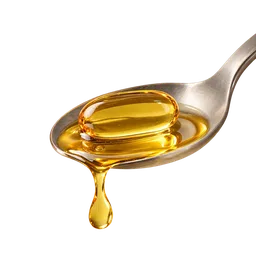
Vitamin D absorption is supported by a normal meal containing some fat; a spoonful of oil is unnecessary.
The advice usually arrives as a ritual: take your vitamin with olive oil, peanut butter, or the fattiest meal of the day. The evidence points to something simpler.
Take the vitamin with a normal meal that has some fat. I would not add oil to breakfast just for this unless your meal is coffee, fruit, toast with jam, or something else close to fat-free.
The useful rule is food, not a magic gram number
Fat-soluble vitamins, meaning A, D, E, and K, are handled differently from vitamin C or the B vitamins. They depend on digestion steps that also process dietary fat, which is why taking them with food makes sense.4 But the supplement aisle has turned that into a fake precision problem. You do not need to calculate a minimum fat dose for every capsule.
The cleanest practical vitamin D trial is a 50-person study in healthy older adults. Everyone took 50,000 IU of vitamin D3 after an overnight fast. One group ate a fat-free meal, and two groups ate meals with 30 percent of calories from fat. The fat-containing meals produced a 32 percent higher 12-hour peak vitamin D3 level than the fat-free meal. The ratio of monounsaturated to polyunsaturated fat did not change absorption.1
Another study in people being treated for low vitamin D asked them to switch their supplement to the largest meal of the day. Their 25-hydroxyvitamin D levels rose by about 50 percent after the switch. That was not a randomized meal-fat dosing trial, so I would not use it to claim dinner is always best. I would use it for the everyday lesson: taking vitamin D with a substantial meal beats taking it alone.2
What changes the answer
The answer changes when the meal has almost no fat, when the dose is high, or when absorption is medically impaired. A multivitamin with lunch is fine if lunch includes eggs, dairy, avocado, nuts, meat, fish, dressing, or oil used in cooking. A vitamin D softgel with black coffee is not the same situation.
Dose also matters for safety, not just absorption. For vitamin D, the NIH Office of Dietary Supplements lists 4,000 IU per day as the adult tolerable upper intake level from food, drinks, and supplements unless a clinician is intentionally using more for a deficiency.3 For vitamin A, high-dose preformed retinol is a different problem than beta-carotene from food, especially in pregnancy, so this is not a place to freestyle large doses.6
Vitamin K has its own rule if you take warfarin. The goal is not to make vitamin K absorption as high as possible. The goal is to keep vitamin K intake steady from day to day because changes can alter warfarin effect.5
The thing you heard that matters less
The type of fat matters less than people say. In the 50-person vitamin D3 trial, changing the monounsaturated to polyunsaturated fat ratio did not change absorption.1 So no, you do not need olive oil specifically. Peanut butter, yogurt, eggs, salmon, nuts, cheese, tofu cooked in oil, or a dressed salad all solve the same practical problem.
My move today: put fat-soluble vitamins next to the meal you reliably eat, not next to your supplement bottle. If breakfast is low-fat, take them with lunch or dinner. If you are taking high-dose A, D, E, or K, pregnant, on warfarin, or dealing with celiac disease, inflammatory bowel disease, bariatric surgery, pancreatic disease, or chronic liver or bile problems, the dose deserves more attention than the fat pairing.
Supplements in this article
Worth knowing
- The best human studies compare meals and absorption markers, not every possible vitamin, formulation, dose, and meal pattern.
- High-dose vitamin D or vitamin A should be judged by dose, labs, and safety limits, not just by what meal you take it with.
- With warfarin, steady vitamin K intake matters more than maximizing vitamin K absorption.
Common questions
How many grams of fat do I need with vitamin D?
Do I need olive oil with vitamins A, D, E, or K?
What if I take my vitamin with coffee?
Sources
- 1. Dietary fat increases vitamin D-3 absorption (2015) primary effect size for fat-containing versus fat-free meal
- 2. Taking vitamin D with the largest meal improves absorption and results in higher serum levels of 25-hydroxyvitamin D (2010) largest meal practical timing evidence
- 3. Vitamin D Fact Sheet for Health Professionals (2026) vitamin D upper intake safety limit
- 4. Fat-Soluble Vitamins A, D, E, and K: Review of the Literature and Points of Interest for the Clinician (2024) background on fat-soluble vitamin absorption physiology
- 5. Vitamin K Fact Sheet for Health Professionals (2026) warfarin and vitamin K consistency caveat
- 6. Vitamin A and Carotenoids Fact Sheet for Health Professionals (2026) vitamin A safety caveat