Best Supplements for Skin Hydration, Ranked by Clinical Evidence
29 supplements · 3 outcomes · 29 trials
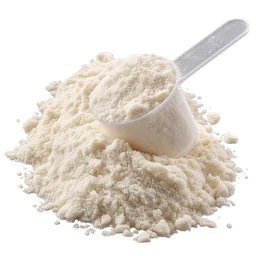
Our #1 pick
The most-studied oral supplement for measurable skin moisture
Three separate meta-analyses have confirmed that oral collagen improves skin hydration measured by corneometer.678 The most recent, from 2025, pooled data from multiple RCTs and found a clear, consistent hydration benefit alongside improved elasticity.8 A 2023 meta-analysis of 26 RCTs found larger effects with longer supplementation, with anything beyond 8 weeks producing more reliable gains.7 The 2022 umbrella MA pooling data from over 4,000 participants specifically called out single-preparation collagen (not blends with other ingredients) as producing the clearest hydration signal.6 Individual RCTs consistently show benefits across different collagen sources: bovine, marine, and fish cartilage.15910 Beyond hydration, the evidence also supports improvements in skin elasticity, wrinkle depth, and dermal density, making collagen the most comprehensive skin supplement available.7811
Dry skin is one of those complaints that sounds trivial until you're the one dealing with it. The tightness. The flaking. The way foundation catches on rough patches. Moisturizers help from the outside, but your skin's ability to hold water depends on what's happening from the inside: the structural proteins in the dermis, the lipid barrier in the stratum corneum, and the hygroscopic molecules that pull water into skin cells and keep it there.
That's where oral supplements enter the picture. Unlike topical creams that coat the surface, supplements that work for skin hydration operate from the blood supply up, strengthening the scaffolding and moisture-retention machinery that keeps water locked in. The question is which ones actually do that, and which ones are just riding the "beauty from within" marketing wave.
The good news: skin hydration is one of the easier endpoints to measure objectively. Researchers use corneometers (instruments that measure electrical conductance of the skin surface, which correlates directly with water content) and TEWL meters (which measure how fast water escapes through the skin). These aren't subjective questionnaires. When a trial says hydration improved, they measured it with lab instruments, not self-reported diaries.
The bad news: many popular "skin supplements" have never been tested with these instruments at all. And some that have been tested showed nothing.
This ranking is based on placebo-controlled human trials measuring skin hydration with validated instruments. We prioritized meta-analyses where available, then individual RCTs. Effect sizes, study counts, and population relevance all factored in.
#1 deep dive
Why Collagen Peptides takes the top spot
How it works
When you swallow hydrolyzed collagen, your gut breaks it into small peptide fragments (di- and tripeptides like Pro-Hyp and Hyp-Gly) that get absorbed intact into the bloodstream and accumulate in the dermis. Once there, they stimulate fibroblasts to produce new collagen, hyaluronic acid, and elastin. They also boost ceramide production in the stratum corneum, which strengthens the lipid barrier that prevents water from escaping through the skin surface.47
Best for
Anyone with noticeably dry skin, especially women over 35 whose skin is losing moisture faster than topical creams can compensate for. The trial populations skew toward women aged 35 to 65 with signs of photoaging, so the evidence is strongest for that group. Hospitalized elderly patients also showed benefits in one trial, suggesting collagen helps even in severe dehydration contexts.2
Watch out
Collagen peptides can theoretically interact with blood thinners. Fish-derived peptides have shown platelet-inhibiting effects in lab studies, so if you're on clopidogrel or aspirin, mention collagen supplementation to your doctor.
Pro tip
Collagen is collagen. The brand-name premium is usually not worth it. Look for 'hydrolyzed collagen peptides' on the label, confirm the molecular weight is under 5 kDa if listed, and save your money on the plain powder rather than fancy drinks.
Evidence by outcome
Raises skin moisture and eases dry, coarse skin.
Improves moisture retention by lowering water loss and raising barrier lipids.
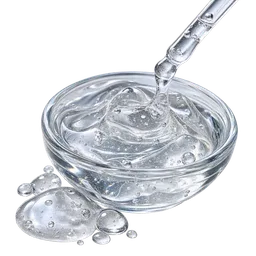
Oral Hyaluronic Acid
Likely helps
Your skin's natural water magnet, delivered from the inside
Seven trials involving over 500 participants have measured skin hydration with oral HA, and the pooled data from a 2022 meta-analysis confirms a real, if modest, hydration benefit.6 The standout trial is a 2025 RCT in 150 healthy Caucasian adults: 60 or 120 mg of sodium hyaluronate daily for 12 weeks improved cheek hydration, reduced water loss through the skin, reduced crow's feet wrinkle depth, and preserved dermal density, all measured with validated instruments.19 An earlier 12-week trial in 40 Taiwanese adults found similar hydration and wrinkle improvements at 120 mg daily.15 Where HA really shines is wrinkle reduction: the evidence for smoothing fine lines is actually stronger than for hydration alone, with seven trials showing consistent improvements.151719
Full breakdown
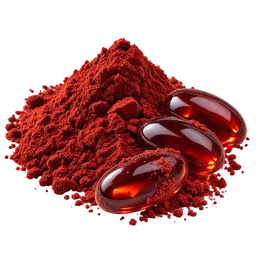
Astaxanthin
Early data
Hydrates skin while defending it against UV damage
A 2021 meta-analysis of RCTs found that oral astaxanthin modestly improved skin moisture and produced a noticeable improvement in skin elasticity.21 The moisture effect was significant when pooling all preparations, though individual study results varied. A 2018 RCT in 23 healthy adults found that 4 mg daily for 9 weeks raised the UV threshold needed to cause sunburn, and reduced the moisture loss that normally follows UV exposure.20 The dual benefit of hydration plus UV protection is what makes astaxanthin interesting. It's not the strongest hydrator on this list, but it's the only one that also makes your skin more resistant to the sun exposure that causes dehydration in the first place.6
Full breakdown
What doesn't work
Save your money on these
A perennial 'skin health' recommendation, but the one RCT that measured skin hydration was in acne patients taking isotretinoin, a drug that destroys skin moisture. Evening primrose slightly offset the drug's drying effect, but that doesn't tell us it hydrates normal skin. No trials have shown a hydration benefit in otherwise healthy people.
Heavily marketed for 'skin from within' and mucous membrane hydration. The reality: a single pilot study with no statistically significant hydration finding. All seven skin outcomes remain at trust levels too low to draw any conclusion. The marketing far outpaces the science.
Krill oil has real benefits for inflammation and cholesterol, but skin hydration is not one of them. A single trial measured skin endpoints and found no meaningful effect. If you're already taking krill for joint or heart health, don't expect it to fix dry skin as a bonus.
Synergistic stacks
Combinations that work better together
Hydration Plus Sun Defense
Collagen Peptides + Astaxanthin
Collagen restores moisture and elasticity from within, while astaxanthin protects those gains from UV-induced breakdown. A 2018 trial showed astaxanthin raised the sunburn threshold while preserving skin moisture after UV exposure.20
Shortlist
A specific product for each pick
One well-dosed, cleanly-formulated option per ranked ingredient, from brands we've audited. Not sponsored.

For Collagen Peptides
Pure Encapsulations Collagen JSWell dosed audit 78
For Oral Hyaluronic Acid
Pure Encapsulations Hyaluronic AcidWell dosed audit 78
For Astaxanthin
Allergy Research Group Astaxanthin 6 mgWell dosed audit 83
Buying guide
What to look for on the label
Form matters
- •Collagen: hydrolyzed peptides (not gelatin or undenatured type II, which target joints). Low molecular weight (under 5 kDa) absorbs best. Powder, liquid, and capsule forms all work. Marine, bovine, and porcine sources have all shown skin benefits in trials.
- •Hyaluronic acid: look for sodium hyaluronate on the label. High molecular weight (over 1 MDa) for barrier function, low molecular weight (under 10 kDa) for collagen stimulation. Some products combine both.
- •Astaxanthin: sourced from Haematococcus pluvialis microalgae. Synthetic astaxanthin exists but most supplement forms use natural. Look for 4 to 12 mg per serving in an oil-based softgel for better absorption.
Red flags
- •Collagen products listing 'collagen' without 'hydrolyzed' or 'peptides.' Intact collagen has a molecular weight too large for meaningful absorption.
- •Proprietary blends that bury collagen, HA, or ceramides in a kitchen-sink formula with 20 other ingredients at undisclosed doses. The trials used single ingredients at specific doses.
- •'Beauty blend' products combining subtherapeutic doses of everything. A product with 500 mg of collagen, 10 mg of HA, and a dozen other 'skin support' ingredients gives you clinical doses of nothing.
Quality markers
- •Molecular weight listed on the label (especially for collagen and HA). This tells you the manufacturer understands bioavailability.
- •Third-party testing for heavy metals, especially for marine collagen. Fish-derived products can carry mercury and cadmium if sourcing isn't controlled.
- •Dosage matching trial evidence: at least 2.5 g for collagen, 60 mg for HA, 4 mg for astaxanthin. If the label dose falls below what the trials used, you're underdosing.
The bottom line
The skin hydration supplement landscape is surprisingly clear-cut. Collagen peptides are the dominant performer, with more trials, more consistent results, and more measured outcomes than anything else on this list. If you only try one supplement for skin hydration, collagen is the straightforward pick.
Hyaluronic acid is a solid second choice, especially if wrinkle reduction matters as much as hydration to you. The evidence for wrinkle smoothing is actually stronger than for hydration alone, so if fine lines and dryness are both on your radar, HA earns serious consideration.
Astaxanthin is the interesting wildcard. Its hydration evidence is thinner than the top two, but the UV protection angle makes it a smart add-on if you spend time outdoors and want both hydration and sun-resilience support from one supplement.
Whatever you choose, give it time. Skin hydration improvements typically show up on instruments by 6 to 8 weeks, but the visible and tactile differences that you actually notice in the mirror tend to appear between 8 and 12 weeks. Take your supplement consistently, and resist the urge to judge results before the two-month mark.
Frequently asked
Common questions
How long does it take to see results from a skin hydration supplement?
Can I take collagen and hyaluronic acid together?
Is oral hyaluronic acid as effective as injectable fillers?
Does collagen type matter for skin hydration?
Will biotin help with dry skin?
Do skin supplements work if I already use good skincare products?
Related
Go deeper on the top picks
Standalone evidence guides for the supplements at the top of this ranking, plus systematic reviews and combination breakdowns.
Ingredient evidence
Ingredient evidence
NewCollagen
All scored outcomes
Aug 27, 2026
Evidence guide
Collagen
NewThreads, Signals, and Skepticism: The Real Story of Collagen from Lab Bench to Breakfast Mug
Evidence guide
Apr 9, 2026
Ranking
Arthritis and joint pain
NewBest Supplements for Arthritis and Joint Pain, Ranked by Clinical Evidence
Evidence ranking
Apr 4, 2026
Ranking
Body Fat Reduction
NewBest Supplements for Fat Loss, Ranked by Clinical Evidence
Evidence ranking
Apr 4, 2026
Evidence brief
Collagen · Lose body weight
NewCollagen for Weight Loss: What 18 Studies Really Show
Focused evidence brief
May 11, 2026
Ingredient evidence
Ingredient evidence
NewHyaluronic Acid
All scored outcomes
Aug 27, 2026
Sources
- 1. Oral Intake of Low-Molecular-Weight Collagen Peptide Improves Hydration, Elasticity, and Wrinkling in Human Skin (2018) ↑
- 2. Effect of an Oral Nutrition Supplement Containing Collagen Peptides on Stratum Corneum Hydration and Skin Elasticity in Hospitalized Older Adults (2020) ↑
- 3. Effect of Collagen Tripeptide and Adjusting for Climate Change on Skin Hydration in Middle-Aged Women (2020) ↑
- 4. Oral Supplementation with Hydrolyzed Fish Cartilage Improves the Morphological and Structural Characteristics of the Skin (2021) ↑
- 5. Oral Intake of Enzymatically Decomposed AP Collagen Peptides Improves Skin Moisture and Ceramide Contents in the Stratum Corneum (2021) ↑
- 6. Effectiveness of Dietary Supplement for Skin Moisturizing in Healthy Adults: A Systematic Review and Meta-Analysis of RCTs (2022) ↑
- 7. Effects of Oral Collagen for Skin Anti-Aging: A Systematic Review and Meta-Analysis (2023) ↑
- 8. Liquid Collagen from Freshwater Fish Skin Ameliorates Hydration, Roughness and Elasticity in Photo-Aged Skin (2024) ↑
- 9. Tuna Collagen Peptides Intake on Skin Health: Randomized Double-Blind Placebo-Controlled Clinical Trial (2024) ↑
- 10. Efficacy and Safety of CollaSel Pro Hydrolyzed Collagen Peptide Supplementation in Improving Skin Health (2024) ↑
- 11. Effects of Collagen-Based Supplements on Skin Hydration and Elasticity: A Systematic Review and Meta-Analysis (2025) ↑
- 12. Skin Anti-Aging and Moisturizing Effects of Low-Molecular-Weight Collagen Peptide: A Randomized Clinical Trial (2025) ↑
- 13. Comparative Effects of Eggshell Membrane and Hydrolyzed Collagen as Nutricosmetics on Skin Biophysical Properties (2025) ↑
- 14. Anti-Wrinkle Efficacy of Cross-Linked Hyaluronic Acid-Based Microneedle Patch (2019) ↑
- 15. Oral Hyaluronan Relieves Wrinkles and Improves Dry Skin: A 12-Week Double-Blinded Placebo-Controlled Study (2021) ↑
- 16. Oral Intake of a New Full-Spectrum Hyaluronan Improves Skin Profilometry and Ageing (2021) ↑
- 17. 2-kDa Hyaluronan Ameliorates Human Facial Wrinkles Through Increased Dermal Collagen Density (2023) ↑
- 18. Oral Administration of Hyaluronic Acid to Improve Skin Conditions via a Randomized Double-Blind Clinical Test (2023) ↑
- 19. Oral Sodium Hyaluronate Improves Skin Hydration, Barrier Function and Signs of Aging: A Randomized Double-Blind Placebo-Controlled Trial (2025) ↑
- 20. The Protective Role of Astaxanthin for UV-Induced Skin Deterioration in Healthy People: A Randomized Double-Blind Placebo-Controlled Trial (2018) ↑
- 21. Systematic Review and Meta-Analysis on the Effects of Astaxanthin on Human Skin Ageing (2021) ↑
- 22. Effects of Ergothioneine-Rich Pleurotus sp. on Skin Moisturizing Functions: A Randomized Double-Blind Placebo-Controlled Trial (2024) ↑
- 23. An Oral French Maritime Pine Bark Extract Improves Hair Density in Menopausal Women (2023) ↑
- 24. Efficacy and Safety of a Panthenol-Enriched Mask for Skin Barrier Recovery After Facial Laser Treatment (2025) ↑
- 25. Efficacy of Ginger Supplementation in Relieving Persistent Hypothyroid Symptoms (2022) ↑
Generated April 4, 2026