Best Supplements for Period Cramps, Ranked by Clinical Evidence
20 supplements · 4 outcomes · 17 trials
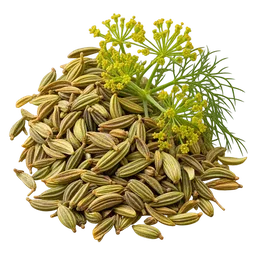
Our #1 pick
The best-tested herbal option for menstrual pain relief
A 2020 meta-analysis pooling fennel trials against placebo found a meaningful reduction in pain intensity, with consistent results across studies and low heterogeneity, which is unusual in this category.1 The Cochrane review of dietary supplements for dysmenorrhea also included fennel, noting benefit but flagging the overall evidence quality as low.3 What sets fennel apart from most options here is that the effect was consistent across studies rather than driven by one outlier trial.
Period cramps affect somewhere between half and three-quarters of menstruating women, and for a sizable chunk of them, the pain is bad enough to miss work or school. NSAIDs are the standard fix, but they fail about one in five women and come with stomach side effects that stack up over years of monthly use.
So the supplement aisle beckons. The problem is that most of what gets marketed for cramps has either never been tested in a dysmenorrhea trial or was tested once in a small study that nobody replicated. We dug through every available randomized controlled trial and meta-analysis to find the supplements with real evidence behind them.
One honest caveat before we start: the vast majority of dysmenorrhea supplement research comes from Iranian universities, often with small samples of college students. That does not invalidate the findings, but it means independent replication from other populations is still thin. We flag this throughout and weight our confidence accordingly.
#1 deep dive
Why Fennel takes the top spot
How it works
Best for
Women with moderate cramp pain who want a well-studied herbal option that can be taken just during menstruation rather than daily.
Watch out
Fennel has mild estrogenic properties. Women with estrogen-sensitive conditions should check with their doctor first.
Pro tip
Start taking it on day one of your period (or even the day before if your cycle is predictable). The trials that showed the clearest benefit dosed during the first three days of menstruation, not throughout the month.
Evidence by outcome
Periods hurt less during daily activities and over repeated cycles.
Expected: ↓10.6 on VAS (meaningful at 10)
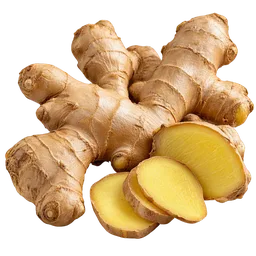
Ginger
Proven benefit
Solid pain relief with the deepest evidence trail
Three separate meta-analyses have examined ginger for dysmenorrhea. A 2021 systematic review found that ginger significantly reduced pain severity versus placebo, with the pooled effect translating to a meaningful improvement on a standard pain scale.4 In head-to-head comparisons, ginger performed comparably to common NSAIDs, though the data is thinner there.4 The effect on pain duration is less convincing: ginger may shorten how long cramps last, but that finding did not hold up consistently across trials.1 One thing worth noting: ginger's pain-severity effect in the 2020 multi-herb meta-analysis appeared implausibly large (much bigger than fennel or cinnamon from the same analysis), likely inflated by one small study.1
Full breakdown
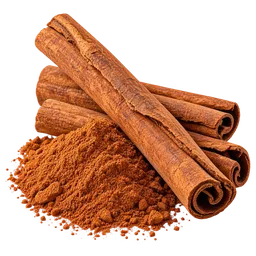
Cinnamon
Likely helps
Promising for both pain intensity and duration
The 2020 meta-analysis found cinnamon produced one of the largest pain reductions of the three herbs tested, and it was the only one that also significantly shortened how long pain lasted.1 A separate RCT directly compared cinnamon to ibuprofen and found cinnamon reduced pain and duration, though less effectively than the NSAID.7 The catch: only two small RCTs from Iran exist, totaling about 150 women in the cinnamon arms. The effect sizes look large, but with that sample size and geographic concentration, consider this promising rather than proven.
Full breakdown
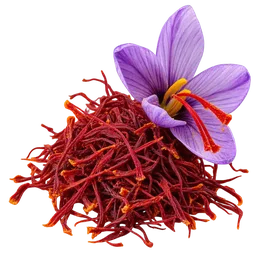
Saffron
Likely helps
Tackles cramp pain and the full PMS package
A 2026 meta-analysis pooling saffron trials for PMS and dysmenorrhea found a moderate reduction in pain severity and a stronger effect on overall PMS symptom burden.8 However, the dysmenorrhea-specific effect showed significant heterogeneity across studies, and when adjusted for potential publication bias, the pain reduction became non-significant.8 Saffron's real strength is broader PMS relief: it has strong evidence for reducing total premenstrual symptoms across mood, physical, and behavioral domains.
Full breakdown
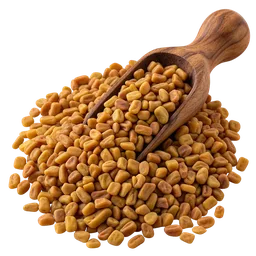
Fenugreek
Likely helps
Reduces pain and the number of painkillers you reach for
Two trials have tested fenugreek for dysmenorrhea specifically. One controlled trial in university students found that fenugreek seed powder reduced pain severity significantly by the first cycle and more substantially by the second, and also decreased the number of painkillers participants needed.9 The Cochrane review included fenugreek and found suggestive benefit, though rated the evidence as low quality.3 What makes fenugreek interesting is the painkiller-reduction finding: women did not just rate their pain lower, they actually reached for fewer rescue medications.
Full breakdown
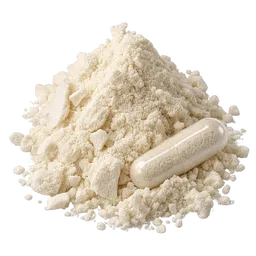
Vitamin B1 (Thiamine)
Likely helps
A single strong trial, pending replication
One well-designed RCT in high school students compared vitamin B1 (100 mg/day), fish oil, and their combination against placebo over two menstrual cycles.11 Vitamin B1 produced the largest pain reduction of any individual arm at two months, with substantial improvement on the pain scale. It also shortened how long pain lasted. The Cochrane review rated this as low-quality evidence from a single trial.3 These are genuinely impressive numbers, but they come from one study of 240 adolescents in Iran. Until someone replicates this, it is a promising signal rather than settled science.
Full breakdown
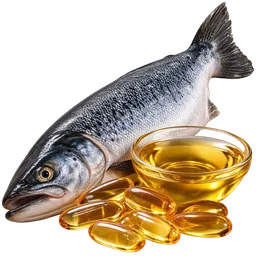
Fish Oil
Likely helps
May shorten cramp duration, but the pain data is messy
The evidence for fish oil and period cramps is genuinely mixed. One RCT found fish oil shortened pain duration meaningfully over two cycles, comparable to vitamin B1.11 But for pain severity, the picture is contradictory: that same trial showed benefit, while the Cochrane review flagged a different trial where fish oil was actually associated with increased pain.3 The combination of fish oil plus vitamin B1 performed well, which complicates interpretation of fish oil alone. If you already take fish oil for other reasons (cardiovascular health, inflammation), there may be a modest menstrual benefit as a bonus.
Full breakdown
What doesn't work
Save your money on these
Vitamin E is one of the most commonly recommended supplements for period pain, but the Cochrane review found no clear benefit for dysmenorrhea. One trial showed no meaningful improvement versus placebo. It may help with other things (stroke risk reduction, inflammation), but for cramp pain specifically, the evidence says it does not work.
Evening primrose oil has been marketed to women for decades as a hormone-balancing cure-all. It does have some early evidence for breast tenderness and menopausal hot flashes, but for period cramp pain there are zero dysmenorrhea trials. The research simply does not exist for this specific use.
Magnesium is probably the most Googled supplement for cramps of any kind, and it does have reasonable evidence for nighttime leg cramps. But for menstrual cramps specifically, the research is nearly nonexistent. One preliminary study looked at PMS symptoms broadly and found no clear effect. The 'magnesium for period cramps' advice is extrapolated from its muscle-relaxant reputation, not from dysmenorrhea data.
Synergistic stacks
Combinations that work better together
The Painkiller-Sparing Stack
Vitamin B1 + Fish Oil
This is the only combination actually tested as a pair in a dysmenorrhea RCT, where it performed well for both pain intensity and duration.11
The Full Cycle Stack
Saffron + Ginger
Saffron taken daily addresses the broader PMS symptom burden (mood, physical symptoms, irritability), while ginger taken during menstruation targets acute cramp pain through prostaglandin inhibition. Different mechanisms, different timing, complementary coverage.
Shortlist
A specific product for each pick
One well-dosed, cleanly-formulated option per ranked ingredient, from brands we've audited. Not sponsored.

For Ginger
Pure Encapsulations Ginger ExtractWell dosed audit 78
For Cinnamon
Swanson Full Spectrum Cinnamon 375 mgWell dosed audit 69
For Saffron
Swanson Saffron ExtractWell dosed audit 69
For Fenugreek
Swanson Fenugreek Extract 500 mgWell dosed audit 69
For Vitamin B1 (Thiamine)
NutraBio Vitamin B1 500 mgWell dosed audit 90
For Fish Oil
NOW Beta-Sitosterol Plant SterolsWell dosed audit 87
Buying guide
What to look for on the label
Form matters
- •For fennel, look for concentrated fennel extract capsules rather than fennel seed tea. The trials used standardized extracts at specific doses that are hard to replicate with tea.
- •For ginger, dried ginger powder in capsules is what the trials used. Fresh ginger and ginger tea have not been studied at equivalent doses for dysmenorrhea.
- •For cinnamon, use Ceylon cinnamon (Cinnamomum verum or Cinnamomum zeylanicum) rather than cassia. Cassia contains coumarin, which can be hepatotoxic with regular use.
- •For saffron, standardized extracts (typically specifying crocin and safranal content) are necessary. Culinary saffron threads are impractical to dose consistently.
Red flags
- •Any product claiming to 'cure' or 'eliminate' period pain. Even the best-performing supplements in trials produced moderate improvements, not cures.
- •Proprietary blends that combine multiple herbs without disclosing individual doses. You cannot tell if any single ingredient is present at an effective amount.
- •Supplements marketed specifically for 'hormone balance' with no clinical evidence for dysmenorrhea. This is usually a marketing claim, not a mechanism.
Quality markers
- •Third-party testing (USP, NSF, ConsumerLab) is especially important for herbal supplements, which have higher contamination and adulteration rates than vitamins.
- •Products that specify the plant part used (seed, root, bark) and extraction method, matching what was used in clinical trials.
- •Transparent dosing that matches trial protocols. If a study used 1500 mg ginger powder and the product contains 250 mg, you would need six capsules to match.
The bottom line
Fennel and ginger have the deepest evidence base for period cramp relief, backed by pooled analyses of multiple trials. Cinnamon, saffron, fenugreek, and vitamin B1 show promising results but each relies on one or two studies. Fish oil has a complicated picture where it helps pain duration but the severity data is contradictory.
The honest truth about this category: most of these supplements produce modest improvements, not transformative relief. If your cramps regularly sideline you, a supplement might take the edge off, but it is unlikely to replace ibuprofen entirely. The best strategy is usually a supplement that addresses your specific pattern (severity vs. duration vs. associated symptoms) alongside whatever pain management already partly works for you.
Frequently asked
Common questions
Can supplements replace ibuprofen for period cramps?
How long do I need to take these before they work?
Why isn't magnesium on this list?
Is it safe to take these supplements with hormonal birth control?
Most of these studies are from Iran. Should I trust them?
Related
Go deeper on the top picks
Standalone evidence guides for the supplements at the top of this ranking, plus systematic reviews and combination breakdowns.
Ingredient evidence
Ingredient evidence
NewFennel
All scored outcomes
Aug 27, 2026
Ingredient evidence
Ingredient evidence
NewGinger
All scored outcomes
Aug 27, 2026
Evidence guide
Ginger (Zingiber officinale)
NewThe Kitchen Root That Calms Storms: Ginger's Journey from Spice Routes to Clinical Trials
Evidence guide
Apr 19, 2026
Ranking
High LDL and Total Cholesterol
NewBest Supplements to Lower LDL and Total Cholesterol
Evidence ranking
Apr 4, 2026
Ranking
High Blood Pressure
NewBest Supplements for Blood Pressure, Ranked by Clinical Evidence
Evidence ranking
Apr 4, 2026
Ranking
Fatty Liver Disease
NewBest Supplements for Fatty Liver Disease (NAFLD), Ranked by Evidence
Evidence ranking
Apr 4, 2026
Sources
- 1. Dietary supplements for dysmenorrhoea (Cochrane Review) ↑
- 2. Efficacy of herbal medicine (cinnamon/fennel/ginger) for primary dysmenorrhea: a systematic review and meta-analysis of randomized controlled trials ↑
- 3. Effect of Zingiber officinale R. rhizomes (ginger) on pain relief in primary dysmenorrhea: a placebo randomized trial ↑
- 4. Efficacy of Ginger in the Treatment of Primary Dysmenorrhea: A Systematic Review and Meta-analysis ↑
- 5. The effect of aromatherapy massage with lavender oil on severity of primary dysmenorrhea ↑
- 6. The Effect of Lavender Aromatherapy on the Pain Severity of Primary Dysmenorrhea ↑
- 7. Comparative effect of cinnamon and Ibuprofen for treatment of primary dysmenorrhea: a randomized double-blind clinical trial ↑
- 8. Effect of saffron on premenstrual syndrome and dysmenorrhea: a systematic review and meta-analysis ↑
- 9. Effects of fenugreek seed on the severity and systemic symptoms of dysmenorrhea ↑
- 10. Micronized Palmitoylethanolamide: A Post Hoc Analysis of a Controlled Study in Patients with Low Back Pain - Sciatica ↑
- 11. The effects of fish oil capsules and vitamin B1 tablets on duration and severity of dysmenorrhea in students of high school in Urmia-Iran ↑
- 12. The Effect of Garlic Tablets on the Endometriosis-Related Pains: A Randomized Placebo-Controlled Clinical Trial ↑
Generated April 4, 2026