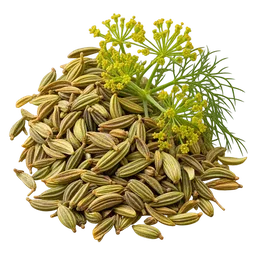
Fennel
Best for
Ease period pain
Proven but unnoticeable 2 meta-analyses, n=690 #7 of 16 studied
- 16 papers
- 1 of 36 outcomes
- 1 positive
Fennel provides a proven but unnoticeable reduction in period cramps for people with primary dysmenorrhea, while evidence for other outcomes remains less established.
Risk, worst reported severity
- adverse effects (unspecified)
What fennel actually does
| Outcome | Effect | Evidence | Dose | Time | Rank |
|---|---|---|---|---|---|
| Modest benefits 1 | |||||
| Ease period pain Proven but unnoticeable Period pain can disrupt work, school, sleep, and plans during menstruation. | | 2 meta-analyses 2 papers · n=690 | — | — | #7 /16 |
Effect tiers come from native-unit MCID where available, Cohen's d otherwise.
Dose, timing & forms
How much
When and how long
The practical point from menstrual-cramp research is consistency across the symptomatic part of the cycle, not taking fennel randomly when pain peaks.1 Follow the timing on the specific product and track your symptoms for several cycles, because a one-cycle change can simply reflect a naturally easier or harder period.1
Forms & standardisation
The clinical finding comes from specific fennel preparations, not from culinary use of a pinch of fennel seed.1 Choose a product that clearly identifies Foeniculum vulgare and the plant part used, rather than a vague proprietary blend. Labels do not yet offer a standard active-compound target that predicts cramp relief.
Adverse events and drug interactions
Safety events
What this is and how it works
- Across 2 studies (n=690), fennel reduced period-cramp severity, with a proven but unnoticeable average effect.1
- Sixteen papers reviewed here span 36 outcomes, with the strongest signal involving menstrual pain.
- Period-cramp evidence applies to primary dysmenorrhea and does not establish benefits for severe or secondary pelvic pain.
Fennel comes from Foeniculum vulgare, a fragrant Mediterranean plant whose seeds flavor teas, foods, and herbal remedies. Supplements usually use the seed as a tea, powder, oil, or concentrated extract. Its signature aroma comes largely from anethole, a naturally occurring plant compound.
Fennel contains plant compounds that appear to influence uterine muscle activity and estrogen-related signaling, two systems involved in menstrual cramping.1 Think of a cramp as a calf muscle that keeps clenching: fennel's compounds seem to nudge the uterine muscle toward less intense squeezing, though human trials show only a very small symptom change.1
Bottom line
Fennel is a reasonable optional experiment for someone with mild period cramps who wants a plant-based add-on and expects a subtle result. The current trials show a real but trivial average effect, so it is not a strong choice for severe or disruptive pain.1 New, worsening, or unusually intense pelvic pain deserves medical evaluation, not self-treatment alone.
Common questions
Does fennel help with period cramps?
How quickly does fennel work for menstrual cramps?
Is fennel a good replacement for standard period-pain care?
Sources
Sources
Generated August 27, 2026