New Melatonin Published May 5, 2026
The Signal of Darkness: How Melatonin Went From Frog Skin to Flight Plans—and What That Means for Your Nights
Better jet lag recovery, sleep timing reset for night owls, easier bedtime shift, and natural circadian rhythm correction
Evidence summary
Melatonin is a darkness signal that can reset circadian timing and ease jet lag, but timing also determines whether it helps sleep or worsens glucose control.
- In delayed sleep-wake phase disorder, melatonin advanced sleep onset by about 34 minutes versus placebo.6
- Jet-lag benefit is strongest after long eastbound flights when 0.5–5 mg is taken at destination bedtime.4
- Taking melatonin near meals blunts insulin secretion and worsens glucose tolerance, especially in MTNR1B risk-allele carriers.5
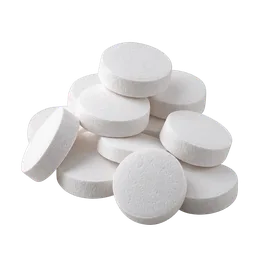
You dim the lights and reach for a familiar gummy. But melatonin isn't a lullaby in a bottle—it's a message. In the body, it whispers one clear instruction to every cell: "It's night." When you treat a signal like a sedative, strange things happen—sometimes helpful, sometimes not.
From a tadpole's skin to a human clock
In 1958, dermatologist Aaron Lerner isolated a mysterious pineal compound that blanched frog skin. He named it "melatonin," thinking it might treat skin disease. It didn't—but his discovery cracked open an entirely new language of night in biology. Within a year, Lerner and colleagues mapped its structure, and over the next decade the pineal gland's nightly melatonin release was recognized as a timecode for the body. In other words, melatonin wasn't a knockout drug; it was the darkness signal itself. 132
What melatonin actually does (and doesn't)
Melatonin rises in the evening under control of the brain's master clock and darkness-sensitive eye cells. It tells tissues to switch into "night mode," helping coordinate sleep timing, metabolism, and hormone rhythms. That's why sleep physicians emphasize melatonin for shifting circadian timing—not as a general-purpose sleeping pill. As the American Academy of Sleep Medicine explains, it can help with jet lag, delayed sleep–wake phase, some shift-work problems, and certain pediatric sleep disorders—when timing is precise. 7 Two experts put it plainly. Harvard's Steven Lockley: "It's not a very good sleeping pill.. it's really only very useful at resetting the clock." 8 And Michael Grandner, University of Arizona: "Melatonin is almost never an appropriate supplement to treat insomnia.. in clinical studies, it's generally not better than a placebo." 11
Where it shines: moving the clock
For jet lag, evidence is unusually strong. A Cochrane review of randomized trials found melatonin—taken at local bedtime at your destination—reduced jet lag across eastbound long-haul flights; doses from 0.5–5 mg worked, with higher doses helping some people fall asleep faster. The number needed to treat was about two in trials that reported it. Timing is critical: take it at the wrong time and you can push your clock the wrong way. 4 For delayed sleep–wake phase disorder (the archetypal "night owl" pattern), a double-blind trial pairing behavioral scheduling with melatonin advanced sleep onset by about 34 minutes and improved function versus placebo. The pill wasn't knocking participants out; it was nudging their internal night earlier so sleep arrived more readily. 6 In children with autism spectrum disorder, prolonged-release melatonin improved sleep duration and caregiver quality-of-life in controlled trials, with dose-guided night-time use under clinical supervision. 910 And a real-world story from the clinic underscores melatonin's role as a clock tool: a sighted graduate student with non-24-hour sleep-wake disorder—his sleep time drifting later each day—stabilized after timed nightly melatonin. 22
The twist: a night signal collides with dinner
Here's a surprise many health-conscious readers miss: take melatonin near meals and you can nudge blood sugar the wrong way. In a randomized crossover study, a 5-mg dose impaired glucose tolerance both morning and evening during standard glucose testing. The mechanism looked different by time—less insulin release in the morning, more insulin resistance at night—but the takeaway is clear: avoid pairing melatonin with carbs. 5 The plot thickens with genetics and mealtime. In a large crossover study designed to mimic early versus late dinner, eating close to bedtime (when endogenous melatonin is high) worsened glucose tolerance—especially in people with a common melatonin-receptor variant linked to type 2 diabetes risk—primarily by blunting insulin secretion. Earlier dinner fared better. 1213
Quality control in the wild
Because melatonin is sold as a dietary supplement in the U.S., what's on the label may not match what's in the bottle. A 2023 JAMA analysis of U.S. melatonin gummies found 88% inaccurately labeled—some with 3.5× the stated dose and one with no melatonin at all. 15 A prior laboratory survey showed tablet/capsule content ranging from −83% to +478% of the label and even detectable serotonin in some products. 16 CDC reports add a sobering epilogue: unsupervised ingestions by young children have surged, with thousands of ER visits in 2019–2022, often involving flavored products. Store securely and treat it like a medicine. 1718
How to use the signal wisely
Think timing first. For jet lag, take melatonin at your target local bedtime starting on arrival and for a few nights. For shifting a delayed schedule, smaller, earlier doses can work better—hours before your current sleep time—ideally planned with a clinician and, when possible, paired with morning light. 47
Keep doses modest. Physiologic-range doses (~0.3–1 mg) often suffice for circadian shifting; more isn't necessarily better and may linger into morning. 7
Separate from food. Avoid taking melatonin within several hours of carbohydrate-rich meals; don't combine it with late dinner. 512
Choose vetted products. Favor brands with third-party testing (e.g., USP/NSF) and avoid "extra-high-dose" gummies, especially around kids. The labeling literature shows why. 1516
On the horizon: melatonin inside the cell
For decades we thought of melatonin as a bloodstream courier from the pineal. New work suggests many cells may also make melatonin locally—inside mitochondria, the cell's power plants—which may help them weather oxidative stress. Intriguingly, mitochondrial membranes even host melatonin receptors, hinting at a tight local feedback system. It's an early but expanding frontier that could explain some of melatonin's tissue-protective effects seen in models. 2021
A final thought for modern nights
Melatonin is not a sledgehammer; it's a map. Used with light exposure, regularity, and smart timing, it can guide your internal night to the right place on the clock—remarkably helpful on airplanes and for out-of-sync body clocks. But when we mistake a signal for a sedative, we risk grogginess, glucose mischief, and dosing roulette. Respect the message of darkness, and it will usually the favor.
Key takeaways
What to walk away with
- 01
Melatonin functions as the body's "darkness signal," coordinating sleep timing rather than acting as a strong sedative.
- 02
For circadian shifting, start low (about 0.3–1 mg); higher doses aren't necessarily better and can linger into morning.
- 03
Jet lag: take melatonin at local destination bedtime on arrival; pair with daytime light to reinforce the shift.
- 04
Delayed sleep–wake phase: take melatonin earlier in the evening (hours before current sleep time) and combine with bright morning light.
- 05
Who benefits most: travelers crossing ≥5 time zones (especially eastbound), people with delayed sleep–wake phase, some children with neurodevelopmental conditions (with clinician guidance), and individuals with non-24-hour rhythms.
- 06
Cautions: separate melatonin from carbohydrate-rich meals by several hours due to transient glucose effects; use care with sedatives and CYP1A2-interacting drugs (e.g., fluvoxamine).
Effect timeline
When to expect what
- Immediate
- Within hours (sleep onset and jet-lag bedtime support).
- Peak
- 3–7 days for circadian shifting (jet lag, delayed sleep).
- Duration needed
- Use for several nights around travel; 2–4+ weeks for delayed sleep phase, often alongside light and schedule changes.
- Wears off
- Within days after stopping if underlying schedule/light exposure doesn't reinforce the shift.
Research trajectory
What the studies actually show
-
Melatonin prevents or reduces jet lag when taken at destination bedtime after long eastbound flights; doses 0.5–5 mg are effective, with careful timing essential. 4
Cochrane review of randomized trials; NNT around 2 in reporting studies.
Establishes strongest clinical use case and the primacy of timing.
-
In delayed sleep–wake phase disorder, melatonin advanced sleep onset by ~34 minutes and improved daytime function versus placebo when paired with scheduling. 6
Double-blind RCT with actigraphy and patient-reported outcomes.
Shows clinically meaningful clock-advancing effect in a common circadian disorder.
-
Taking melatonin near meals impairs glucose tolerance; late dinner during high endogenous melatonin blunts insulin secretion, especially in MTNR1B risk-allele carriers. 12
Randomized crossover OGTT with exogenous melatonin; population crossover mimicking early vs. late dinner plus genotype analysis.
Translates into a practical rule: separate melatonin from dinner and avoid late-night eating.
-
U.S. melatonin products show large label–content mismatches; most gummies mis-dosed, some with no melatonin or added CBD; tablets/capsules also vary widely. 15
JAMA research letter (gummies) and laboratory survey (tablets/capsules).
Underscores need for third-party-tested products and cautious dosing.
Human trials
What real trials found
-
Sighted 23-year-old doctoral student with non-24-hour sleep–wake disorder stabilized with nightly melatonin after drifting sleep times. 22
- Outcome
- Entrained to a stable 24-hour schedule with symptom improvement.
- Why it matters
- Illustrates melatonin's role as a clock-resetter rather than a sedative.
- Source
- Journal of Clinical Sleep Medicine case report, 2018.
-
Adolescent misdiagnosed with psychiatric disorders found to have a free-running sleep pattern; oral melatonin restored a normal schedule and resolved psychiatric labels. 23
- Outcome
- Restored sleep–wake timing; psychiatric misdiagnosis withdrawn.
- Why it matters
- Shows the human stakes of recognizing circadian disorders and using melatonin appropriately.
- Source
- PubMed case report, 2005.
Expert insights
Voices in the field
"It's not a very good sleeping pill... it's really only very useful at resetting the clock." 8
"Melatonin is almost never an appropriate supplement to treat insomnia... in clinical studies, it's generally not better than a placebo." 11
Practical guidance
Putting it to use
Who may benefit
Travelers crossing ≥5 time zones (especially eastbound); teens and adults with delayed sleep–wake phase; some children with neurodevelopmental conditions under clinician guidance; people with non-24-hour rhythms (including some blind individuals).
Who should avoid
People with diabetes or impaired glucose tolerance if dosing is near meals; those on warfarin or with epilepsy (case reports of issues); individuals taking potent CYP1A2 inhibitors (e.g., fluvoxamine) or needing alertness within several hours after dosing.
Dosing
For circadian shifting, start low (about 0.3–1 mg). Higher doses aren't necessarily better and may linger into morning.
Timing
Treat it like a map, not a sedative: for jet lag, take at local bedtime on arrival; for delayed sleep, take earlier in the evening (hours before current sleep time) and pair with bright morning light.
Quality
Choose third-party tested products (USP/NSF). Avoid kid-tempting gummies; store out of reach. Label mismatch is common in the U.S. market.
Cautions
Separate melatonin from carbohydrate-rich meals by several hours to avoid transient glucose impairment. Be cautious with sedatives and CYP1A2-interacting drugs (e.g., fluvoxamine).
A closing thought
In an always-on world, health often starts by restoring contrast: day that is truly bright, night that is genuinely dark. Melatonin works best when it's allowed to be what it is—the body's quiet declaration of night—amplified at the right moment, then left to fade with the dawn.
Frequently asked
Common questions
Is melatonin a sleeping pill?
What dose should I start with for shifting my schedule or jet lag?
When should I take melatonin for jet lag or delayed sleep?
Who is most likely to benefit from melatonin?
Are there any food or drug cautions with melatonin?
Related
More on this supplement
Pulled from across the site — rankings, comparisons, combinations, and reviews where this supplement shows up.
Ingredient evidence
Ingredient evidence
NewMelatonin
All scored outcomes
Aug 27, 2026
Ranking
Deep, Restful Sleep
NewBest Supplements for Deep, Restful Sleep (2026)
Evidence ranking
Mar 29, 2026
Ranking
Migraines and Headaches
NewBest Supplements for Migraines and Headaches, Ranked by Clinical Evidence
Evidence ranking
Apr 4, 2026
Ranking
Trouble Falling Asleep
NewBest Supplements to Fall Asleep Faster, Ranked by Clinical Evidence
Evidence ranking
May 27, 2026
Ranking
Staying asleep through the night
NewBest Supplements to Stay Asleep Through the Night
Evidence ranking
Apr 4, 2026
Systematic review
Systematic review
NewMelatonin for Sleep: A Systematic Evidence Review
GRADE evidence review
Jul 2, 2026
Sources
- 1. ISOLATION OF MELATONIN, THE PINEAL GLAND FACTOR THAT LIGHTENS MELANOCYTES (1958)
- 2. The altruism of melatonin (history overview) (2022)
- 3. The Pineal Gland and the "Melatonin Hypothesis," 1959–1974 (NLM Profiles in Science) (2015)
- 4. Melatonin for the prevention and treatment of jet lag (Cochrane) (2002)
- 5. Acute melatonin administration impairs glucose tolerance in morning and evening (Sleep) (2014)
- 6. Efficacy of melatonin with behavioural sleep-wake scheduling for delayed sleep-wake phase disorder (RCT) (2018)
- 7. Melatonin – SleepEducation (American Academy of Sleep Medicine) (2024)
- 8. BBC Radio 4 – Sleep (Steven Lockley interview) (2024)
- 9. Pediatric Prolonged-Release Melatonin in Autism Spectrum Disorder (RCT) (2019)
- 10. Melatonin Treatment with Sleep Hygiene in Children with ASD (Phase 3 RCT) (2021)
- 11. To Sleep, Perchance Not Very Well, by Taking Melatonin (Grandner interview) (2024)
- 12. Dinner timing, MTNR1B variant, and glucose tolerance (Diabetes Care) (2022)
- 13. MTNR1B risk variant worsens melatonin's effect on glucose tolerance (2015)
- 14. NCCIH: Sleep Disorders and Complementary Health Approaches (melatonin safety, labeling, pediatric ingestions) (2024)
- 15. Quantity of Melatonin and CBD in Melatonin Gummies Sold in the US (JAMA Research Letter) (2023)
- 16. Melatonin Natural Health Products: Serotonin presence and variability (J Clin Sleep Med) (2017)
- 17. Pediatric Melatonin Ingestions — United States, 2012–2021 (CDC MMWR) (2022)
- 18. ED Visits for Unsupervised Pediatric Melatonin Ingestion — 2019–2022 (CDC MMWR) (2024)
- 19. A Survey of Melatonin in Dietary Supplement Products Sold in the United States (PubMed) (2024)
- 20. Dual role of mitochondria in producing melatonin and driving GPCR signaling (PNAS) (2017)
- 21. Melatonin: A Mitochondrial Targeting Molecule (IJMS review) (2016)
- 22. Non-24-Hour Sleep-Wake Disorder in a Sighted Male – excellent response to melatonin (2018)
- 23. Psychiatric misdiagnosis resolved by melatonin in a non-24-hour schedule disorder (2005)
1,114 words · 23 sources · Melatonin