Best Supplements for Fat Loss, Ranked by Clinical Evidence
70 supplements · 4 outcomes · 102 trials
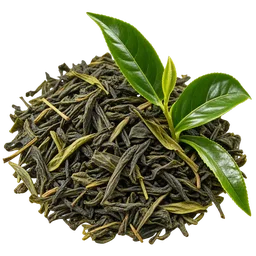
Our #1 pick
The best-proven fat-loss boost when you're already exercising
A 2024 meta-analysis of randomized trials in overweight and obese adults found that adding green tea catechins to an exercise program produced a consistent additional reduction in both body weight and fat mass beyond what exercise alone achieved.20 An earlier trial in 65 adults showed measurable fat loss at 12 weeks.19 Green tea also has proven effects on fasting blood sugar, liver enzymes, and cholesterol, making it one of the more broadly useful metabolic supplements.4 The fat-loss effect is small but real, roughly equivalent to losing an extra kilogram of fat over three months of combined supplementation and training.
Let's get something out of the way: no supplement will replace a calorie deficit. If you're eating more than you burn, creatine and green tea aren't going to save you. The entire supplement industry wants you to believe otherwise, because "take this pill and lose weight" is a much easier sell than "eat less and move more."
But within the context of a reasonable diet and exercise program, a small number of supplements have been shown to nudge body composition in the right direction. The effects are modest. We're talking about losing an extra pound or two of fat over 8 to 12 weeks, or shifting your body fat percentage down by a point. That's real, but it's not transformative.
This list ranks supplements by the strength and consistency of clinical evidence for reducing body fat specifically, not just body weight (which can drop from water loss or muscle loss). We prioritized trials that measured body composition with medical-grade tools like body scans and impedance analysis, not just bathroom scales. And we filtered out supplements where the evidence comes from irrelevant populations or implausibly large effect sizes from single studies.
The honest takeaway: a few of these supplements are worth adding to an already-solid training and nutrition program. None of them are worth anything without one.
#1 deep dive
Why Green Tea Extract (EGCG) takes the top spot
How it works
EGCG inhibits catechol-O-methyltransferase, an enzyme that breaks down norepinephrine. With norepinephrine circulating longer, fat cells get a stronger signal to release stored fat for burning.20 Catechins also appear to increase the proportion of calories burned from fat during exercise, effectively turning up the ratio of fat-to-carbohydrate your body uses as fuel.4
Best for
People who are already exercising regularly and want to squeeze a bit more fat loss out of their program. The evidence is strongest in overweight adults combining green tea with structured training.
Watch out
Green tea extract can interact with blood pressure medications (nadolol, lisinopril) and blood thinners (warfarin). High-dose EGCG extracts have been linked to rare liver irritation. Take with food and avoid fasted mega-doses.
Pro tip
Take green tea extract before your workout to maximize fat oxidation during exercise. If you're caffeine-sensitive, look for decaffeinated EGCG extracts, which retain the catechin content without the stimulant effect.
Evidence by outcome
Helps lower the total kilograms of fat your body carries.
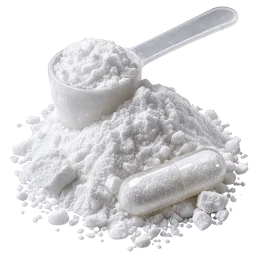
Creatine Monohydrate
Proven benefit
Builds muscle that shifts your body fat percentage down
A 2024 meta-analysis of 15 studies in healthy adults under 50 found that creatine plus resistance training reduced body fat percentage by nearly a full percentage point and cut about 0.7 kg of fat mass compared to training alone.10 A separate 2014 meta-analysis in older adults found similar lean mass gains but no significant fat loss, suggesting the fat-loss benefit is strongest in younger, actively training populations.6 Across 9 studies tracking body fat percentage, the effect is consistent but small, with most of the body composition improvement coming from muscle gain rather than direct fat burning.911
Full breakdown
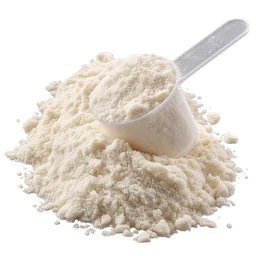
Collagen Peptides
Proven benefit
A surprising body-recomp signal from skin and joint trials
This is one of the more surprising entries on the list. Across 9 human trials involving over 550 participants, collagen peptide supplementation combined with resistance training consistently produced greater fat loss than training with placebo.252627282930 A 2015 trial in 60 older men with sarcopenia found the collagen group lost roughly 5.4 kg of fat while gaining 4.2 kg of lean mass over 12 weeks.25 A 2019 trial in 57 young trained men showed collagen prevented the fat gain seen in the placebo group during a training program.28 A 2021 trial in 120 overweight middle-aged men confirmed the pattern with significant reductions in fat mass alongside lean mass gains.30 The effect on fat mass measured by body scans is consistent, but the mechanism is still debated.
Full breakdown
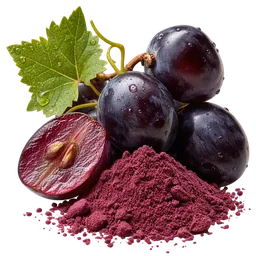
Resveratrol
Proven benefit
Tiny fat-loss effect, but strong metabolic benefits underneath
A 2025 umbrella review pooling data from multiple meta-analyses found that resveratrol produces small but statistically significant reductions in body weight, waist circumference, and fat mass, with stronger effects at higher doses and longer durations.4 A 2022 meta-analysis tracking glucose and lipid metabolism across over 1,000 participants found a trend toward lower body fat percentage, though it didn't reach statistical significance on its own.2 The fat-loss effect is real but trivial in isolation. Where resveratrol earns its place is the broader metabolic picture: proven reductions in fasting insulin, insulin resistance, HbA1c, and triglycerides across large, high-trust evidence bases.53 For someone dealing with metabolic syndrome or insulin resistance, the fat-loss effect is a small bonus on top of meaningful metabolic improvements.
Full breakdown
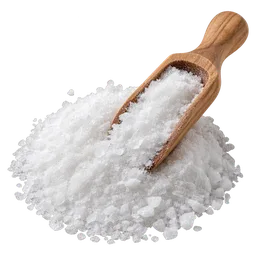
Betaine (Trimethylglycine)
Likely helps
A gym-science sleeper with growing body composition data
A 2019 meta-analysis of six RCTs totaling 195 participants found that betaine supplementation significantly reduced both total fat mass and body fat percentage, though body weight and BMI did not change.15 This pattern, less fat without less weight, suggests betaine shifts body composition toward more muscle and less fat rather than causing net weight loss. A 2013 trial in experienced lifters found reduced body fat, increased lean mass, and improved arm size after 6 weeks at 2.5 g daily.14 A 2023 trial in CrossFit athletes confirmed increased testosterone and fat-free mass with betaine supplementation.18 The evidence is promising but still thin. Most trials are small (under 50 participants) and conducted in young, trained men.
Full breakdown
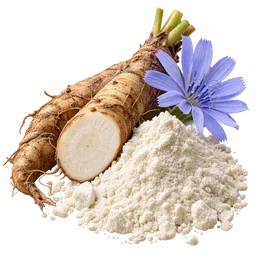
Inulin (Chicory Root Fiber)
Likely helps
Feeds the gut bacteria that influence your metabolism
Across five trials tracking total body fat mass, inulin supplementation shows a likely beneficial effect, though the magnitude is small.78 The stronger evidence is for inulin's metabolic effects: proven reductions in fasting blood sugar, BMI, and body weight across larger evidence bases with high confidence.7 Inulin also has proven benefits for gut microbiome diversity and stool quality, making it a multi-benefit supplement where fat loss is one piece of a broader metabolic picture. The body fat percentage finding is less convincing, with one analysis suggesting no clear effect on that specific measure.
Full breakdown
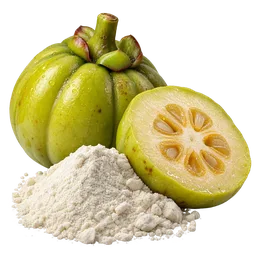
Hydroxycitric Acid (Garcinia Cambogia)
Proven benefit
The most-hyped fat burner with the weakest evidence
A 2011 meta-analysis of randomized trials in overweight adults found a small weight loss with HCA versus placebo, but the effect shrank in sensitivity analyses that only included higher-quality trials.17 A 2023 RCT in 44 obese women with fatty liver found that HCA reduced visceral fat when added to a calorie-restricted diet, but this was a small, single-center trial in a specific clinical population.18 The meta-analysis concluded that the effect is of uncertain clinical relevance and called for better-designed studies. Notably, there is an early signal that HCA may actually increase cravings for fatty foods.18 Despite being one of the most heavily marketed fat-loss supplements worldwide, the clinical evidence is surprisingly thin.
Full breakdown
What doesn't work
Save your money on these
Despite being one of the best-selling weight loss supplements worldwide, garcinia cambogia has almost no credible fat-loss evidence. We found one small trial and a 2011 meta-analysis that called its own findings 'of uncertain clinical relevance.' The effect disappears in higher-quality studies.
CLA was heavily marketed in the 2000s based on animal studies showing dramatic fat loss in mice. Human trials have been consistently disappointing, and meaningful clinical evidence for fat loss in humans barely exists. The marketing ran far ahead of the science.
L-carnitine is marketed as a 'fat shuttle' that moves fatty acids into mitochondria for burning. The biochemistry is real, but your body already makes plenty of carnitine. Supplementing more doesn't increase fat burning in healthy people. Clinical trials have not shown meaningful body fat reduction in people who aren't carnitine-deficient.
Capsaicin does temporarily increase metabolic rate, but the effect is tiny and fleeting. Multiple trials found no meaningful body weight change, and the one body fat signal was from a single small study. The thermogenic boost sounds exciting but translates to maybe 10 extra calories burned per day.
Synergistic stacks
Combinations that work better together
The Training Stack
Green Tea Extract + Creatine Monohydrate
Green tea increases fat oxidation during exercise while creatine helps you train harder and build more muscle. Different mechanisms, no interaction concerns.
The Recomp Stack
Creatine Monohydrate + Collagen Peptides
The Metabolic Stack
Green Tea Extract + Inulin
Green tea works through catecholamine-driven fat oxidation while inulin works through gut bacteria and metabolic signaling. Complementary pathways with no overlap.
Shortlist
A specific product for each pick
One well-dosed, cleanly-formulated option per ranked ingredient, from brands we've audited. Not sponsored.

For Green Tea Extract (EGCG)
NutraBio Green Tea Extract 500 mgWell dosed audit 90
For Creatine Monohydrate
NutraBio Creatine MonohydrateWell dosed audit 90
For Collagen Peptides
Pure Encapsulations Collagen JSWell dosed audit 78
For Resveratrol
NutraBio ResveratrolWell dosed audit 90
For Betaine (Trimethylglycine)
NutraBio TMGWell dosed audit 90
For Inulin (Chicory Root Fiber)
BulkSupplements.com Inulin Powder 2500 mgWell dosed audit 54
Buying guide
What to look for on the label
Form matters
- •Green tea extract should list EGCG or total catechin content, not just milligrams of green tea powder. You want 400 to 500 mg of actual EGCG.
- •Creatine monohydrate is the only form with strong evidence. Skip creatine HCl, buffered creatine, or creatine ethyl ester, which are more expensive with no proven advantage.
- •Collagen peptides should be hydrolyzed for absorption. 'Type I and III collagen' on the label is standard. Look for products that specify the peptide weight (typically 2.5 to 15 g per serving).
- •Betaine is sold as trimethylglycine (TMG) in bulk powder or capsules. Betaine HCl is a different product used for digestion, not body composition.
Red flags
- •Any product claiming to 'melt fat' or produce rapid weight loss without diet or exercise. The supplements on this list produce modest effects alongside training.
- •Proprietary blends that hide individual ingredient doses. You need to know exactly how much EGCG, creatine, or collagen you're getting.
- •Fat burner stacks combining stimulants (caffeine, synephrine, yohimbine) with thermogenics. These raise heart rate and anxiety more reliably than they reduce body fat.
Quality markers
- •Third-party testing (NSF Certified for Sport, Informed Sport, USP Verified) ensures the product actually contains what the label says and is free of contaminants.
- •Clinical doses that match the research. If a trial used 500 mg of EGCG and the product contains 50 mg, it's underdosed regardless of quality.
The bottom line
The supplements on this list produce real but modest reductions in body fat when combined with exercise and reasonable nutrition. Green tea extract paired with training has the cleanest evidence for a direct fat-loss boost. Creatine shifts body composition by adding muscle, which indirectly reduces body fat percentage. Collagen peptides show a surprisingly consistent fat-loss signal across multiple resistance training trials, though the mechanism is still being sorted out.
Resveratrol and betaine round out the list with legitimate but smaller signals, both better suited for people with metabolic concerns than for lean athletes chasing the last percentage point. Inulin works through a completely different pathway, feeding gut bacteria that influence metabolic signaling.
If you're looking for a single practical recommendation: green tea extract plus a resistance training program is the most straightforward, well-supported approach. Add creatine if you're training seriously. Everything else on this list is fine-tuning.
And if someone tries to sell you garcinia cambogia, raspberry ketones, or CLA for fat loss, save your money.
Frequently asked
Common questions
Do fat-burning supplements actually work?
What's the best supplement for losing belly fat specifically?
Is creatine good for fat loss even though it causes weight gain?
Are thermogenic fat burners worth it?
How long do I need to take fat-loss supplements to see results?
Related
Go deeper on the top picks
Standalone evidence guides for the supplements at the top of this ranking, plus systematic reviews and combination breakdowns.
Ingredient evidence
Ingredient evidence
NewGreen Tea
All scored outcomes
Aug 27, 2026
Evidence guide
Green Tea (Camellia sinensis)
NewLiquid Jade, Modern Heart: How Green Tea Balances Calm and Cardiometabolic Health
Evidence guide
Feb 19, 2026
Ranking
Colds and Upper Respiratory Infections
NewThe 7 Supplements That Actually Help You Catch Fewer Colds
Evidence ranking
Apr 4, 2026
Ranking
Blood Sugar Control
NewBest Supplements for Blood Sugar, Ranked by Clinical Evidence
Evidence ranking
Apr 4, 2026
Systematic review
Systematic review
NewGreen Tea for Metabolic Health: A Systematic Evidence Review
GRADE evidence review
Apr 8, 2026
Evidence map
Focus & memory
NewFocus & memory: evidence map across 45 supplements
Evidence coverage map
Jul 30, 2026
Sources
- 1. Impact of sirtuin-1 expression on H3K56 acetylation and oxidative stress: a double-blind randomized controlled trial with resveratrol supplementation ↑
- 2. Efficacy of Resveratrol Supplementation on Glucose and Lipid Metabolism: A Meta-Analysis and Systematic Review ↑
- 3. No effect of resveratrol supplementation after 6 months on insulin sensitivity in overweight adults: a randomized trial ↑
- 4. The effect of resveratrol supplementation on obesity indices: a critical umbrella review of interventional meta-analyses ↑
- 5. Resveratrol Supplementation and its Potential Benefits in Obesity-related Non-communicable Diseases ↑
- 6. Creatine supplementation during resistance training in older adults: a meta-analysis ↑
- 7. Effects of 4-Week Creatine Supplementation Combined with Complex Training on Muscle Damage and Sport Performance ↑
- 8. Effects of creatine supplementation in augmenting adaptations to resistance training in patients with prostate cancer ↑
- 9. Creatine supplementation protocols with or without training interventions on body composition: a meta-analysis ↑
- 10. The Effect of Creatine Supplementation on Resistance Training-Based Changes to Body Composition ↑
- 11. Effects of creatine supplementation on body composition and athletic performance ↑
- 12. Creatine supplementation and body composition in trained adults ↑
- 13. Creatine supplementation and resistance training: novice vs experienced comparison ↑
- 14. Creatine supplementation and performance-related outcomes ↑
- 15. Creatine supplementation and exercise performance ↑
- 16. Effects of Creatine Supplementation on the Performance, Physiological Response, and Body Composition ↑
- 17. The Use of Garcinia Extract (Hydroxycitric Acid) as a Weight loss Supplement: A Systematic Review and Meta-Analysis ↑
- 18. Effects of Hydroxycitric Acid Supplementation on Body Composition, Obesity Indices, Appetite, Leptin, and Adiponectin ↑
- 19. Long-Term Green Tea Supplementation Does Not Change the Human Gut Microbiota ↑
- 20. Does green tea catechin enhance weight-loss effect of exercise training in overweight and obese individuals? ↑
- 21. Consumption of melatonin supplement improves cardiovascular disease risk factors and anthropometric indices in type 2 diabetes mellitus patients ↑
- 22. Comprehensive Effects of Melatonin Supplementation on Cardiometabolic Risk Factors: A Systematic Review and Dose-Response Meta-Analysis ↑
- 23. Effects of Specific Bioactive Collagen Peptides in Combination with Concurrent Training on Running Performance ↑
- 24. Effects of collagen peptides on body composition and training ↑
- 25. Collagen peptide supplementation in combination with resistance training improves body composition and increases muscle strength in elderly sarcopenic men ↑
- 26. Effect of Oral Ingestion of Low-Molecular Collagen Peptides Derived from Skate Skin on Body Fat in Overweight Adults ↑
- 27. Collagen supplementation and body composition in active adults ↑
- 28. Prolonged Collagen Peptide Supplementation and Resistance Exercise Training Affects Body Composition in Recreationally Active Men ↑
- 29. Collagen peptides and body fat reduction in trained populations ↑
- 30. The Influence of Specific Bioactive Collagen Peptides on Body Composition and Muscle Strength in Middle-Aged, Untrained Men ↑
Generated April 4, 2026