Best Supplements for Migraines and Headaches, Ranked by Clinical Evidence
29 supplements · 2 outcomes · 16 trials
Our #1 pick
The most complete migraine prevention evidence in a supplement
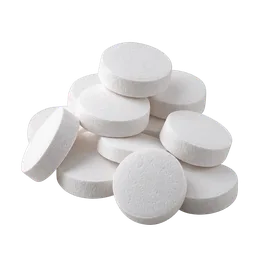
A 2026 meta-analysis pooling data from multiple RCTs found melatonin significantly reduced migraine attack duration, headache days, pain severity, painkiller use, and disability scores compared to placebo.2 In a head-to-head trial against amitriptyline (a first-line prescription migraine drug), melatonin 3 mg produced comparable reductions in migraine days and was better tolerated, with far less daytime sleepiness and no weight gain.1 That same trial found 3 mg at bedtime cut migraine frequency roughly in half for a significant portion of patients. The evidence covers both adults and pediatric populations.
Migraines are strange. They're one of the most common neurological conditions on the planet, yet the supplement aisle for them is full of guesswork. Walk into a health food store and you'll see feverfew, butterbur, magnesium, CoQ10, and B-complex blends all marketed for migraine prevention, often with vague claims about "supporting neurological health."
The clinical evidence tells a different story. Some of those popular picks have been studied and found wanting. Others that nobody associates with headaches, like melatonin and high-dose fish oil, have surprisingly strong trial data. And one option works not for prevention but for treating an attack once it starts, which is a different and arguably more useful question.
This ranking is built on randomized, placebo-controlled trials and meta-analyses that measured headache-specific endpoints: attack frequency, pain severity, attack duration, and disability scores. We excluded studies where headache was just a line item on a mood questionnaire or a menopause symptom checklist. That filter alone eliminated several supplements the algorithm initially ranked.
One honest caveat: migraine supplement research is thinner than you'd expect. The total evidence base is smaller than what we have for sleep or blood pressure. That means even the top-ranked options here come with less certainty than we'd like, and the list is intentionally short because we'd rather give you four honest picks than ten padded ones.
#1 deep dive
Why Melatonin takes the top spot
How it works
Melatonin appears to calm the hyperexcitable neural pathways that trigger migraines. It modulates serotonin signaling in the trigeminovascular system, the brain circuit responsible for migraine pain, while also reducing the neuroinflammation that sustains an attack once it starts.12 The fact that it also improves sleep quality may contribute independently, since poor sleep is one of the most reliable migraine triggers.
Best for
People with episodic migraines (2 to 8 attacks per month) looking for daily prevention. Especially useful if poor sleep is a migraine trigger for you, since it addresses both problems. Also worth trying if you've had side effects from prescription preventives like amitriptyline or topiramate.
Watch out
Can cause daytime drowsiness in about 1 in 6 people at the 3 mg dose. If you take beta-blockers for blood pressure, be aware they suppress your natural melatonin production, which may be contributing to your migraines in the first place.
Pro tip
Consistency matters more than timing for migraine prevention, but taking it 30 to 60 minutes before your usual bedtime is standard. If you're currently using triptans or other acute migraine medications, melatonin can be used alongside them safely.
Evidence by outcome
Lowers how intense a headache or migraine feels when it hits.
Expected: ↓7.0 on VAS (meaningful at 10) · 8 weeks
Omega-3 (High-Dose EPA/DHA)
Likely helps
Fewer migraine days per month at high doses
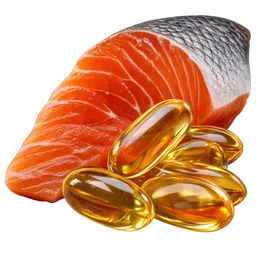
A 2024 network meta-analysis pooling 40 RCTs with over 6,600 participants found high-dose EPA/DHA produced the largest reduction in migraine frequency of any intervention studied, outperforming standard preventive medications.3 A high-quality BMJ trial in 182 adults with frequent migraines found that increasing omega-3 intake significantly reduced headache hours per day and monthly headache days, with the combination of high omega-3 plus low omega-6 intake producing the strongest results.3 The effect on frequency is the standout finding. The severity data is less consistent, with one trial arm showing benefit and another not reaching significance.
Full breakdown
Palmitoylethanolamide (PEA)
Early data
The only on-demand supplement option for an active migraine
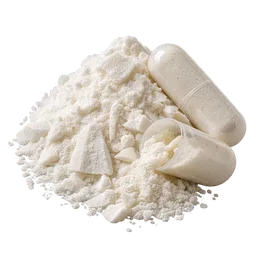
A 2024 double-blind RCT in 80 adults with episodic migraine found that a single 600 mg dose of micronized PEA taken at migraine onset significantly increased the proportion of people who were pain-free at both 2 hours and 8 hours compared to placebo.10 Pain reduction at 90 minutes was also significantly better, and participants used less rescue medication. This is early evidence from a single trial, but it's noteworthy because it addresses acute treatment rather than prevention, which is a different question than what the other supplements here answer. PEA also has broader pain evidence across osteoarthritis, low back pain, and nerve pain conditions.
Full breakdown
Selenium
Early data
Early migraine-specific data from an antioxidant angle
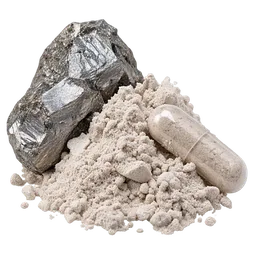
A 2024 double-blind RCT in 72 adults with diagnosed migraine found that 200 mcg of selenomethionine daily for 12 weeks significantly reduced migraine frequency and pain severity compared to placebo.11 The trial also showed improvements in headache impact scores and several oxidative stress biomarkers. However, attack duration did not change significantly, and mood and anxiety scores were unaffected. This is a single trial from one research group in Iran, so the findings need independent replication before strong conclusions can be drawn.
Full breakdown
What doesn't work
Save your money on these
Magnesium is probably the most recommended migraine supplement online, and the clinical data for pain severity is genuinely negative: two studies totaling nearly 500 people found no meaningful reduction in how much a migraine hurts. A meta-analysis concluded there isn't enough evidence to confirm it works for migraine prevention. It may reduce migraine frequency modestly, and it does help with migraine-related disability, but the core promise, less painful headaches, is not supported by the trials.
A 2021 meta-analysis in BMJ Open found CoQ10 shortened migraine duration and reduced attack frequency, but found no effect on headache severity and no reduction in acute medication use. The effect sizes were small and the number of included trials was limited. It's not useless, but it's frequently oversold as a first-line migraine supplement when the evidence is more ambiguous than the marketing suggests.
The herbal classic for migraines, featured in every natural health book since the 1980s. The problem: the landmark clinical trial had just 17 participants and was published in 1985. A Cochrane review found the overall evidence inconclusive. No large modern RCT has confirmed the old claims. The reputation far outpaces the data.
Butterbur (Petasites) was once recommended by the American Academy of Neurology for migraine prevention, but that recommendation was withdrawn in 2015 due to liver toxicity concerns with improperly processed extracts. The evidence base was never large, and the safety issues mean it's no longer a reasonable choice when safer alternatives with comparable or better evidence exist.
Synergistic stacks
Combinations that work better together
The Daily Prevention Stack
Melatonin + Omega-3
Prevention Plus Acute Relief
Melatonin + PEA
Shortlist
A specific product for each pick
One well-dosed, cleanly-formulated option per ranked ingredient, from brands we've audited. Not sponsored.

For Melatonin
Life Extension Melatonin 3 mgWell dosed audit 90
For Omega-3 (High-Dose EPA/DHA)
Nootropics Depot 70% DHA Fish Oil Softgels 1,000 mgWell dosed audit 87
For Palmitoylethanolamide (PEA)
SuperSmart P-E-A 1200 mgWell dosed audit 63
For Selenium
NutraBio Selenium 200 mcgWell dosed audit 90
Buying guide
What to look for on the label
Form matters
- •Melatonin: Standard immediate-release tablets or capsules at 3 mg. Extended-release formulations were not what was tested in migraine trials. Avoid gummies with added sugar.
- •Omega-3: Check the supplement facts for EPA and DHA content separately. You need 1,500 mg or more combined, which typically means 4 to 5 standard fish oil capsules or 1 to 2 concentrated capsules. Liquid fish oil makes hitting higher doses easier.
- •Selenium: Selenomethionine is the organic form used in the migraine trial. Sodium selenite is cheaper but less bioavailable. Stick to 200 mcg and do not stack with other selenium-containing supplements.
- •PEA: The migraine trial used micronized PEA (Levagen+ formulation). Standard PEA powder has poor bioavailability. Look for products specifying micronized or ultramicronized forms.
Red flags
- •Migraine blends that combine five or six ingredients at sub-therapeutic doses. If a product has magnesium, riboflavin, CoQ10, feverfew, and butterbur all in one capsule, none of them is at the dose that was actually studied.
- •Products claiming to 'cure' or 'eliminate' migraines. No supplement does that. Prevention means fewer and shorter attacks, not zero.
- •Butterbur products that don't specify PA-free (pyrrolizidine alkaloid-free) processing. Unprocessed butterbur extracts are hepatotoxic.
Quality markers
- •Third-party testing certification (NSF, USP, or ConsumerLab) confirms the product contains what the label claims.
- •Doses that match clinical trial protocols. Melatonin at 3 mg, omega-3 at 1,500 mg or more EPA/DHA, selenium at 200 mcg. If the product doesn't match, it hasn't been tested.
- •For PEA, the Levagen+ branded ingredient confirms the micronized form that was tested in the migraine trial.
The bottom line
The migraine supplement landscape is surprisingly narrow once you filter out the marketing noise. Melatonin has the strongest all-around evidence for prevention, with a meta-analysis confirming it reduces pain severity, attack duration, and disability. High-dose omega-3s showed the most dramatic frequency reduction in a large network meta-analysis, though you need 1,500 mg or more of EPA/DHA daily to reach the doses that were studied. PEA is the only option here that works as an on-demand treatment when a migraine actually hits. And selenium is an interesting early signal worth watching.
What didn't make the cut matters too. Magnesium is the most popular migraine supplement on the market, and it genuinely does not reduce headache pain severity in the trials we reviewed. CoQ10 has a meta-analysis showing modest frequency reduction but no effect on severity. Feverfew, the herbal classic, has almost no modern clinical data behind it.
If you're dealing with migraines regularly, the honest advice is to start with melatonin (3 mg at bedtime), give it 8 to 12 weeks, and track your attack frequency and severity in a headache diary. If you want to layer on omega-3s, the evidence supports it at adequate doses. Riboflavin (vitamin B2) at 200 mg daily is also worth considering as a cheap add-on: while it didn't have enough headache pain severity data to rank here, a JAMA network meta-analysis found it shortens attack duration in children. These aren't miracle cures, but they're among the few supplements where the evidence actually exists.
Frequently asked
Common questions
How long do migraine supplements take to work?
Can I take migraine supplements alongside prescription medications?
Why isn't magnesium on the ranked list?
Does caffeine help or hurt migraines?
What about butterbur?
Is there anything that works during an active migraine attack?
Related
Go deeper on the top picks
Standalone evidence guides for the supplements at the top of this ranking, plus systematic reviews and combination breakdowns.
Ingredient evidence
Ingredient evidence
NewMelatonin
All scored outcomes
Aug 27, 2026
Evidence guide
Melatonin
NewThe Signal of Darkness: How Melatonin Went From Frog Skin to Flight Plans—and What That Means for Your Nights
Evidence guide
May 5, 2026
Ranking
Deep, Restful Sleep
NewBest Supplements for Deep, Restful Sleep (2026)
Evidence ranking
Mar 29, 2026
Ranking
Trouble Falling Asleep
NewBest Supplements to Fall Asleep Faster, Ranked by Clinical Evidence
Evidence ranking
May 27, 2026
Ranking
Staying asleep through the night
NewBest Supplements to Stay Asleep Through the Night
Evidence ranking
Apr 4, 2026
Systematic review
Systematic review
NewMelatonin for Sleep: A Systematic Evidence Review
GRADE evidence review
Jul 2, 2026
Sources
- 1. Randomised clinical trial comparing melatonin 3 mg, amitriptyline 25 mg and placebo for migraine prevention ↑
- 2. Efficacy and Safety of Melatonin in Migraine Prophylaxis: A Systematic Review and Meta-Analysis of Randomized Controlled Trials ↑
- 3. High Dosage Omega-3 Fatty Acids Outperform Existing Pharmacological Options for Migraine Prophylaxis: A Network Meta-Analysis ↑
- 4. Treatment for the premenstrual syndrome with agnus castus fruit extract: prospective, randomised, placebo controlled study ↑
- 5. A randomised placebo-controlled trial to differentiate the acute cognitive and mood effects of chlorogenic acid from decaffeinated coffee ↑
- 6. The Acute Effects of Caffeinated Black Coffee on Cognition and Mood in Healthy Young and Older Adults ↑
- 7. Dose-Dependent Effects of the Cimicifuga racemosa Extract Ze 450 in the Treatment of Climacteric Complaints ↑
- 8. Efficacy of an Extract of Ocimum tenuiflorum (OciBest) in the Management of General Stress ↑
- 9. Effect of Oat Beta-Glucan on Affective and Physical Feeling States in Healthy Adults ↑
- 10. Effectiveness of Palmitoylethanolamide (Levagen+) Compared to a Placebo for Reducing Pain, Duration, and Medication Use during Migraines ↑
- 11. The effect of selenium supplementation on oxidative stress, clinical and physiological symptoms in patients with migraine ↑
Generated April 4, 2026