The 7 Supplements That Actually Help You Catch Fewer Colds
20 supplements · 4 outcomes · 31 trials
Our #1 pick
The strongest prevention data of any immune supplement
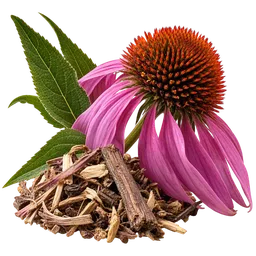
A 2024 meta-analysis pooling data from seven RCTs with over 2,900 participants found that echinacea preparations reduced respiratory infection incidence, recurrent infections, complications like ear infections and pneumonia, and total antibiotic use.2 A landmark 4-month prevention trial in 755 healthy adults found 26% fewer total cold-days and significantly fewer recurrent infections in the echinacea group, with lab-confirmed reductions in enveloped virus infections including influenza and coronavirus.4 A separate 5.5-month open-label trial showed echinacea users cleared respiratory viruses faster, with measurable reductions in viral load by day five.5 The alcohol-based E. purpurea extracts consistently outperformed other preparations. One important limitation: echinacea does not appear to shorten colds once they start.4
Everybody gets colds, and everybody has a theory about preventing them. Vitamin C is the legacy pick, elderberry is the Instagram pick, and zinc lozenges are the pharmacist pick. But the question isn't which supplement is popular for immune health. The question is which ones actually reduce the number of times you get sick in a year, measured in real trials where people were tracked for months at a time.
That's a harder question than it sounds. Most "immune support" supplements have only been tested on lab markers like natural killer cell activity or cytokine levels, not on whether people actually caught fewer colds. The supplements that make this list all have trials measuring the thing that matters: did fewer people get sick, and did they get sick less often?
The evidence here is surprisingly specific. One supplement works best if you take it all winter as prevention. Another only matters if you exercise hard. A third is most effective for people who start out deficient. Matching the right supplement to your situation matters more than picking the one with the highest ranking.
One honest caveat: even the best-performing supplements on this list produce small to moderate reductions in cold incidence. Nobody is going from six colds a year to zero. But shaving off one or two infections per season, or avoiding the cold that always turns into a sinus infection, is genuinely meaningful.
#1 deep dive
Why Echinacea (E. purpurea) takes the top spot
How it works
Echinacea purpurea contains alkylamides and polysaccharides that prime the innate immune system. The lipophilic compounds appear to enhance macrophage activity and natural killer cell function, helping the body intercept viruses earlier in the infection process before they establish a foothold.45 A 2024 meta-analysis confirmed the antiviral activity extends across multiple respiratory virus families, including coronaviruses and influenza.2
Best for
People who get frequent colds (three or more per year) and want to reduce their total infection count over a season. The prevention data is strongest with continuous daily use through fall and winter, not on-demand use at the first sign of symptoms.
Watch out
Echinacea interacts with several drug-metabolizing enzymes and may affect levels of immunosuppressants, HIV antivirals, and some chemotherapy drugs. People with autoimmune conditions should consult their doctor, as immune stimulation could theoretically worsen flares.
Pro tip
The preparation matters more than the dose. Alcohol-based (lipophilic) E. purpurea extracts consistently outperform dried herb capsules and pressed juice formulations in trials. Look for products standardized to alkylamide content.
Evidence by outcome
Helps lower the chance of getting common upper-airway infections.
Lab-confirmed virus infections happen less often.
Echinacea helps stop colds from coming back again and again.
Vitamin C
Likely helps
Modest for most people, genuinely useful under physical stress
The Cochrane review pooling 29 trials with over 11,000 participants found that daily vitamin C does not reduce cold incidence in the general population.7 That headline finding obscures a more nuanced picture. In five trials of people under severe physical stress (marathon runners, skiers, soldiers in subarctic training), vitamin C roughly halved cold risk.7 It also consistently shortened cold duration by about 8% in adults and 14% in children when taken as regular prevention, and reduced symptom severity.7 A separate finding that keeps recurring: people with marginal vitamin C status (common in smokers and those with low fruit/vegetable intake) show the clearest benefits.68 A 2014 trial in young men with low vitamin C levels found supplementation cut their infection rate nearly in half.8
Full breakdown
Vitamin D
Likely helps
The biggest benefit goes to the people who need it most
An individual participant data meta-analysis of 25 RCTs with over 11,000 people found that vitamin D supplementation reduced overall acute respiratory infection risk.16 But the effect was highly dependent on two factors. First, baseline vitamin D status: people who started out severely deficient saw the largest benefit, while those with adequate levels saw minimal change.16 Second, dosing schedule: daily or weekly dosing worked, but large infrequent bolus doses had no effect.16 A large UK trial of 6,200 adults found that correcting vitamin D deficiency raised blood levels but did not reduce respiratory infections, highlighting that benefits may be limited to those starting from genuinely low levels.17 A trial in Vietnamese children found vitamin D reduced non-influenza respiratory viruses but had no effect on influenza specifically.20
Full breakdown
Palmitoylethanolamide (PEA)
Likely helps
A newer find that reduced cold incidence by a third in a large trial
A 2023 double-blind RCT in 426 healthy adults found that 600 mg daily of PEA for 12 weeks reduced both the number of people who caught a cold and the total number of cold episodes, with a meaningful effect size.22 Among those who did get sick, cough severity and scratchy throat were significantly milder, though cold duration was not shorter.22 This is a single well-designed trial, not a meta-analysis, so it needs replication. But the trial was large, placebo-controlled, and methodologically solid. PEA also has growing evidence for pain relief through the same anti-inflammatory pathway, which is a useful secondary benefit.
Full breakdown
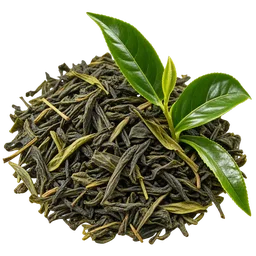
Green Tea Catechins
Likely helps
Antiviral activity backed by a flu-specific meta-analysis
A 2021 meta-analysis of eight studies with over 5,000 participants found green tea catechins significantly reduced the risk of laboratory-confirmed influenza infection.12 Both capsule supplements and regular green tea drinking showed protective effects. The benefit held across RCTs and cohort studies, which is reassuring for consistency. A separate RCT in 270 healthcare workers found that higher-dose catechin beverages (171 mg/day) halved the rate of upper respiratory infections over 12 weeks compared to placebo, while a lower dose showed no benefit.11 The evidence is strongest for influenza specifically; the general cold prevention data is thinner, with one trial endpoint showing no effect on overall respiratory infection incidence.12
Full breakdown
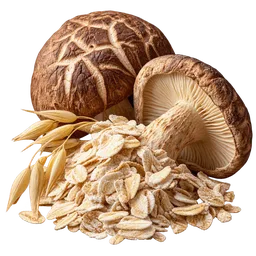
Beta-Glucans (Yeast-Derived)
Likely helps
Primes your immune cells to respond faster when a virus arrives
A 16-week RCT in 164 adults who get frequent colds found that yeast beta-glucan reduced cold episodes by about 25% in the per-protocol analysis, with fewer severe episodes and less cold-related sleep disruption.21 Both physician and participant ratings of efficacy were significantly higher in the beta-glucan group.21 The cold prevention evidence is modest: one good trial with a clear signal but not yet replicated in a large independent study. Beta-glucans have stronger and more replicated evidence for metabolic outcomes like cholesterol and blood sugar, so the immune benefit sits on top of a well-established safety and efficacy foundation.
Full breakdown
Probiotics
Early data
Modest prevention signal, but strain and population matter enormously
A 2020 meta-analysis of adult RCTs found probiotics reduced both the incidence and episode rate of upper respiratory infections and shortened episode duration.25 A 6-month trial in 220 overweight adults found 27% fewer self-reported respiratory symptoms with a 50-billion-CFU multi-strain probiotic, with the strongest effects in people over 45 and those with higher BMI.26 A smaller trial in 33 athletes found a more dramatic reduction in self-reported infections, though the sample was too small to draw firm conclusions.24 The challenge with probiotics is that the evidence is strain-dependent and hard to generalize. Many of the individual strain claims have not been independently replicated, and the meta-analyses acknowledge high heterogeneity between studies.
Full breakdown
What doesn't work
Save your money on these
Elderberry is one of the most popular immune supplements, but its evidence is almost entirely about treating colds once you have them, not preventing them. The largest RCT (312 air travelers) found elderberry reduced cold severity and total sick days, but did not reduce the number of people who caught a cold in the first place. For prevention, the clinical evidence barely exists.
Zinc lozenges can shorten colds by about a day and a half and reduce symptom severity in adults, but that is a treatment effect, not prevention. A large meta-analysis of micronutrient supplements found zinc had no effect on respiratory infection incidence. Zinc is worth keeping in your medicine cabinet for when you get sick, but taking it daily to prevent colds is not well-supported.
Garlic is widely marketed for immune support, but the research is almost entirely on cardiovascular and metabolic outcomes like blood sugar and cholesterol. The clinical evidence for garlic reducing cold or respiratory infection rates in humans is essentially absent from the trial literature. There is one frequently cited Cochrane review, but its conclusions are based on a single trial.
Synergistic stacks
Combinations that work better together
The Winter Prevention Stack
Echinacea (E. purpurea) + Vitamin D
Shortlist
A specific product for each pick
One well-dosed, cleanly-formulated option per ranked ingredient, from brands we've audited. Not sponsored.

For Echinacea (E. purpurea)
Nature's Answer Echinacea Root Grape FlavoredWell dosed audit 75
For Vitamin C
NutraBio Vitamin C 500 mgWell dosed audit 90
For Vitamin D
NutraBio Vitamin D3 1000 IUWell dosed audit 90
For Palmitoylethanolamide (PEA)
SuperSmart P-E-A 1200 mgWell dosed audit 63
For Green Tea Catechins
NutraBio Green Tea Extract 500 mgWell dosed audit 90
For Beta-Glucans (Yeast-Derived)
Swanson BetaRight Beta Glucan 250 mgWell dosed audit 69
Buying guide
What to look for on the label
Form matters
- •For echinacea, preparation type matters more than dose. Alcohol-based (lipophilic) E. purpurea extracts consistently outperform dried herb capsules and pressed juice in trials. Look for products standardized to alkylamide content.
- •For vitamin D, choose D3 (cholecalciferol) over D2 (ergocalciferol). D3 raises blood levels more effectively per unit dose. Take with a fatty meal.
- •For beta-glucans, yeast-derived (1,3)-(1,6)-beta-glucan is the immune-active form. Oat beta-glucans lower cholesterol but don't have the same immune-priming effect.
- •For PEA, standard powder has poor absorption. Look for micronized, ultramicronized, or dispersion-technology formulations.
Red flags
- •Any product claiming to 'boost your immune system' without specifying what was measured in trials. Immune marker changes in a test tube are not the same as fewer infections in humans.
- •Proprietary blends that hide individual ingredient doses. You can't match trial doses if you don't know what's in the capsule.
- •Products combining five or more immune ingredients at sub-therapeutic doses. A kitchen-sink approach usually means nothing is at an effective level.
Quality markers
- •Third-party testing (USP, NSF, ConsumerLab) for purity and potency. This matters especially for herbal extracts like echinacea, where preparation quality varies enormously between brands.
- •Dose transparency that matches clinical trial ranges. If a product contains 100 mg of an ingredient tested at 600 mg, it's marketing, not medicine.
- •Species and extract type specified on the label. 'Echinacea' is not sufficient. You want to know it's E. purpurea and what type of extract.
The bottom line
The honest summary: no supplement is a forcefield against colds. But the evidence supports a short list of options that can meaningfully tilt the odds. Echinacea has the deepest prevention data, especially the alcohol-based E. purpurea extracts taken continuously through cold season. Vitamin C is modest for most people but genuinely useful if you exercise hard or run low on intake. Vitamin D matters most if your levels are low, which describes a huge portion of the population in winter. And a handful of newer options like PEA and beta-glucans are showing promise in well-designed trials.
The supplements that didn't make this list are just as important. Elderberry, zinc, and garlic are reasonable choices if you already have a cold, but the prevention evidence is thin or absent. Don't let immune-boosting marketing language substitute for actual prevention data.
Whatever you choose, the pattern is consistent: these supplements work best as daily prevention taken for weeks or months, not as something you grab when you feel a tickle in your throat. Start before cold season, take them consistently, and pair them with the basics that no supplement can replace: sleep, hand-washing, and not running yourself into the ground.
Frequently asked
Common questions
Should I take vitamin C when I feel a cold coming on?
Does vitamin D prevent COVID specifically?
Are echinacea and elderberry the same thing?
Can I take zinc lozenges to prevent colds?
Do probiotics really help with immune health?
Related
Go deeper on the top picks
Standalone evidence guides for the supplements at the top of this ranking, plus systematic reviews and combination breakdowns.
Ingredient evidence
Ingredient evidence
NewEchinacea purpurea
All scored outcomes
Aug 27, 2026
Ingredient evidence
Ingredient evidence
NewVitamin C
All scored outcomes
Aug 27, 2026
Evidence guide
Vitamin C (ascorbic acid)
NewLemons, Paprika, and the Data: What Vitamin C Really Teaches Us About Resilience
Evidence guide
Apr 1, 2026
Ranking
Peripheral Neuropathy
NewBest Supplements to Ease Neuropathy Pain and Numbness (2026)
Evidence ranking
Apr 4, 2026
Ranking
Memory and recall
NewThe 10 Best Supplements for Memory, Ranked by Evidence
Evidence ranking
May 9, 2026
Ingredient evidence
Ingredient evidence
NewVitamin D
All scored outcomes
Aug 27, 2026
Sources
- 1. Echinacea for preventing and treating the common cold (Cochrane Review) ↑
- 2. Echinacea Reduces Antibiotics by Preventing Respiratory Infections: A Meta-Analysis (ERA-PRIMA) ↑
- 3. Echinacea purpurea for prevention of experimental rhinovirus colds ↑
- 4. Safety and Efficacy Profile of Echinacea purpurea to Prevent Common Cold Episodes: A Randomized, Double-Blind, Placebo-Controlled Trial ↑
- 5. Echinacea Purpurea For the Long-Term Prevention of Viral Respiratory Tract Infections During Covid-19 Pandemic ↑
- 6. Vitamin C for preventing and treating the common cold (Cochrane Review, 2004) ↑
- 7. Vitamin C for preventing and treating the common cold (Cochrane Review, 2013) ↑
- 8. Vitamin C supplementation slightly improves physical activity levels and reduces cold incidence in men with marginal vitamin C status ↑
- 9. Effect of micronutrient supplements on influenza and other respiratory tract infections among adults: a systematic review and meta-analysis ↑
- 10. Vitamin C intake and susceptibility to the common cold ↑
- 11. Prevention of Acute Upper Respiratory Infections by Consumption of Catechins in Healthcare Workers ↑
- 12. Anti-Influenza with Green Tea Catechins: A Systematic Review and Meta-Analysis ↑
- 13. Vitamin A supplementation for preventing morbidity and mortality in children from six months to five years of age (Cochrane Review) ↑
- 14. Oral vitamin A supplements to prevent acute upper respiratory tract infections in children up to seven years of age (Cochrane Review) ↑
- 15. Vitamin A for non-measles pneumonia in children (Cochrane Review) ↑
- 16. Vitamin D supplementation to prevent acute respiratory infections: individual participant data meta-analysis ↑
- 17. Effect of a test-and-treat approach to vitamin D supplementation on risk of all cause acute respiratory tract infection and covid-19 (CORONAVIT) ↑
- 18. Vitamin D3 Supplementation at 5000 IU Daily for the Prevention of Influenza-like Illness in Healthcare Workers ↑
- 19. Association between prenatal vitamin D supplementation and respiratory diseases in children: a systematic review and meta-analysis ↑
- 20. Effect of Vitamin D supplementation to reduce respiratory infections in children and adolescents in Vietnam ↑
- 21. Yeast beta-glucan helps to maintain the body's defence against pathogens: a double-blind, randomized, placebo-controlled, multicentric study ↑
- 22. The Efficacy of Palmitoylethanolamide (Levagen+) on the Incidence and Symptoms of Upper Respiratory Tract Infection ↑
- 23. Promising Effects of 3-Month Period of Quercetin Phytosome Supplementation in the Prevention of Symptomatic COVID-19 Disease in Healthcare Workers: A Pilot Study ↑
- 24. Probiotic Supplements Beneficially Affect Tryptophan-Kynurenine Metabolism and Reduce the Incidence of Upper Respiratory Tract Infections in Trained Athletes ↑
- 25. Probiotics for Preventing Upper Respiratory Tract Infections in Adults: A Systematic Review and Meta-Analysis ↑
- 26. Probiotics reduce self-reported symptoms of upper respiratory tract infection in overweight and obese adults ↑
Generated April 4, 2026