Best Supplements for Testosterone, Ranked by Evidence
23 supplements · 1 outcomes · 40 trials
Our #1 pick
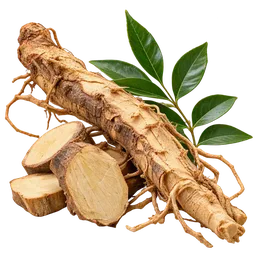
The strongest direct testosterone signal in the supplement aisle
A 2022 meta-analysis pooling data from five trials in men found a significant increase in serum total testosterone, with the strongest effects in men who started with low levels.6 A 2021 multicentre RCT in men aged 50 to 70 with testosterone below 300 ng/dL found that 200 mg daily raised total testosterone and improved aging-male symptom scores over 12 weeks.5 An earlier trial in moderately stressed adults reported a 37% increase in free testosterone alongside a 16% drop in cortisol exposure after just 4 weeks.4 The effect is more pronounced in men with suboptimal baseline levels than in healthy young men.6
The testosterone supplement market is one of the most overhyped corners of the supplement industry. Walk into any nutrition store and you'll find shelves of products promising to "naturally boost T" with proprietary blends of exotic herbs, amino acids, and minerals. Most of them don't do anything measurable.
That's the bad news. The good news is that a handful of supplements have been tested in randomized, placebo-controlled trials where researchers actually measured serum testosterone before and after. Some of them work, some of them work only for specific populations, and some of the most popular ones are total duds.
This ranking is based on clinical trial evidence in men, not animal studies, not in vitro experiments, and not marketing claims. We prioritize supplements with multiple independent trials, meaningful effect sizes, and populations that actually apply to the person reading this. A supplement that raises testosterone in infertile men with severe oxidative stress may not do anything for a healthy 35-year-old.
One important caveat: if your testosterone is genuinely low (below 300 ng/dL), you should be talking to a doctor about TRT, not browsing supplement aisles. Supplements can nudge hormones in people with mild decline or suboptimal levels, but they're not a replacement for medical treatment when levels are clinically deficient.
#1 deep dive
Why Tongkat Ali (Eurycoma longifolia) takes the top spot
How it works
Tongkat Ali appears to act on the hypothalamic-pituitary-gonadal axis, reducing cortisol and improving the testosterone-to-cortisol ratio.4 One proposed mechanism involves quassinoids (particularly eurycomanone) stimulating Leydig cell testosterone production while simultaneously lowering cortisol's suppressive effect on the HPG axis.6
Best for
Men over 40 with declining testosterone or men under chronic stress. The evidence is strongest when baseline levels are already low. Healthy young men with normal testosterone should not expect dramatic changes.
Watch out
Not recommended for people with hormone-sensitive cancers (prostate, breast). Some in vitro evidence of CYP2C8 inhibition, which could affect certain medications. Avoid during pregnancy.
Pro tip
Look for standardized hot-water root extracts (Physta is the most-studied brand). The eurycomanone content matters more than raw milligrams. Pair with stress management for a double hit on the cortisol side.
Evidence by outcome
Raises total or free testosterone, especially when baseline levels run low.
Ashwagandha (Withania somnifera)
Early data
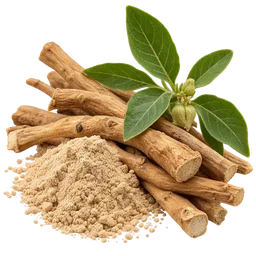
Lowers cortisol first, then testosterone follows
A 2026 meta-analysis pooling data from 1,706 participants across 17 RCTs confirmed that ashwagandha significantly increases total testosterone in men.19 A crossover trial in overweight men aged 40 to 70 found salivary testosterone rose significantly during the ashwagandha period versus placebo.12 A 2019 trial in stressed adults showed testosterone increased in men, though the overall mixed-sex analysis was not significant.13 Two 2025/2026 RCTs in men with sexual dysfunction confirmed testosterone increases alongside improvements in sexual function, sperm quality, and quality of life.171820 The effect size is smaller than Tongkat Ali, but the evidence base is much deeper, with 12 studies and over 900 participants.19
Full breakdown
N-Acetyl Cysteine (NAC)
Likely helps
An antioxidant play for men with fertility concerns
A 2019 RCT in 50 infertile men found that 600 mg daily of NAC for 3 months raised testosterone alongside broad improvements in sperm count, motility, morphology, and DNA integrity.1 However, a larger meta-analysis pooling multiple trials found no clear effect of NAC on serum testosterone specifically, while confirming the sperm quality benefits.2 The testosterone finding comes from a single trial in men with confirmed fertility problems and high oxidative stress. Whether NAC moves testosterone in men without these specific issues is unknown.
Full breakdown
DHEA (Dehydroepiandrosterone)
Early data
A direct hormone precursor that works in older adults
Two trials in older adults (total n=48) show DHEA supplementation raises both DHEA-S levels and testosterone. The effect size is moderate and the evidence is consistent but limited by small sample sizes. A crossover trial in aging men also found significant increases in DHEA-S alongside testosterone. The strongest fertility evidence comes from IVF contexts, where 75 mg DHEA improved egg retrieval and pregnancy rates in poor responders, but that's a different use case. For general testosterone support in older men, the data is promising but thin.
Full breakdown
Magnesium
Early data
Fixes the deficiency that might be holding your T back
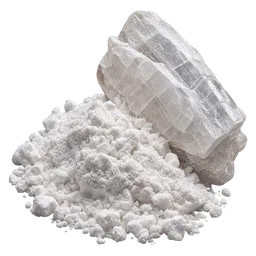
The direct testosterone evidence for magnesium is preliminary: two studies in 64 participants with a small effect size. However, the biological plausibility is strong given magnesium's role in steroidogenesis, and the high prevalence of deficiency means many men are likely leaving testosterone on the table by being low in magnesium. This is more of a 'fix the foundation' play than a testosterone booster per se.
Full breakdown
Maca (Lepidium meyenii)
Early data
Boosts libido without actually changing hormone levels
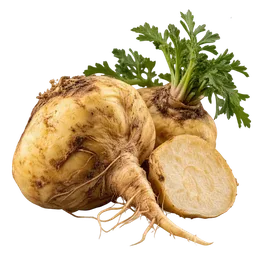
Maca has seven testosterone-relevant endpoints across four studies (n=148), but the signal is faint. What maca does well, and consistently, is increase subjective sexual desire in men, supported by three studies showing a strong effect on self-reported libido.2829 A 2023 study in men over 50 found improvements in aging-male symptoms and physical performance without significant testosterone changes. If you're looking for confirmed serum testosterone increases, maca is not the answer. If you're looking for functional improvement in sex drive, the evidence is actually solid.
Full breakdown
Betaine (Trimethylglycine)
Early data
An exercise-context testosterone signal, mostly in young athletes
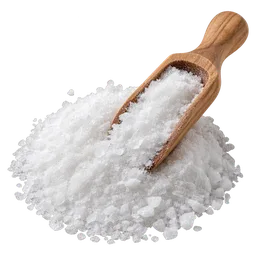
Three trials with a total of 115 participants have measured testosterone alongside betaine supplementation. A 14-week study in adolescent soccer players found testosterone was preserved during a training season (when it normally drops), with a large between-group difference.23 A 2-week crossover in teenage handball players showed higher post-exercise testosterone.24 A 2023 crossover trial in adult CrossFit athletes found a small but significant testosterone increase alongside performance improvements.25 The large effect sizes in the skeleton come from the adolescent studies, which have limited applicability to the general adult population. All three studies are in trained athletes during exercise interventions, so we don't know if betaine moves testosterone in sedentary adults.
Full breakdown
What doesn't work
Save your money on these
The most heavily marketed testosterone booster with the least convincing data. Two small studies totaling about 30 participants found a faint signal, but not enough to build any confidence. What tribulus actually has decent evidence for is sexual satisfaction and erectile function, which are separate outcomes from testosterone. If you're buying tribulus hoping to raise your T levels, the research doesn't support it. If you're buying it for bedroom performance, that's a different conversation.
Heavily promoted in bodybuilding circles, but we haven't deeply researched D-aspartic acid's testosterone evidence yet. The few available studies are small and contradictory, with some suggesting a temporary spike and at least one finding testosterone actually decreased. Not enough clinical research to recommend it.
Boron is a popular ingredient in testosterone-boosting blends, but we haven't deeply researched its testosterone evidence yet. The studies that do exist are small and inconclusive, so don't expect much from products that lean on boron as a headline ingredient.
Popular in testosterone booster blends, but the data is mixed. Some trials show testosterone increases, others show none. What fenugreek may actually improve is libido and sexual function through pathways that have nothing to do with serum testosterone. If you're taking it for sex drive, fine. If you're taking it to move the number on your bloodwork, the evidence doesn't consistently back that up.
The name sells itself, but the testosterone evidence is entirely from animal studies. No human trials have measured serum testosterone changes with epimedium supplementation. The active compound icariin has PDE5-inhibitory activity (similar to sildenafil) which may help erectile function through a completely different mechanism than testosterone.
Synergistic stacks
Combinations that work better together
The Stress-Cortisol Stack
Ashwagandha (KSM-66) + Magnesium glycinate
Ashwagandha lowers cortisol through the HPA axis while magnesium supports the enzymatic machinery of steroid hormone synthesis. Different mechanisms, no absorption competition. If stress is driving your testosterone down, this addresses both the hormonal signal and the mineral foundation.
The Low-T Recovery Stack
Tongkat Ali + Magnesium
Tongkat Ali directly stimulates testosterone production while magnesium corrects the deficiency that may be constraining it. The Tongkat Ali evidence is strongest in men with already-low T, which is also the population most likely to be mineral-depleted.
Shortlist
A specific product for each pick
One well-dosed, cleanly-formulated option per ranked ingredient, from brands we've audited. Not sponsored.

For Tongkat Ali (Eurycoma longifolia)
NutraBio Tongkat Ali 200 mgWell dosed audit 90
For Ashwagandha (Withania somnifera)
Nootropics Depot Ashwagandha Extract 250 mgWell dosed audit 87
For N-Acetyl Cysteine (NAC)
NutraBio NACWell dosed audit 90
For DHEA (Dehydroepiandrosterone)
Life Extension DHEA 100 mgWell dosed audit 90
For Magnesium
Life Extension Magnesium (Citrate) 100 mgWell dosed audit 90
For Maca (Lepidium meyenii)
NOW Certified Organic MacaWell dosed audit 87
For Betaine (Trimethylglycine)
NutraBio TMGWell dosed audit 90
Buying guide
What to look for on the label
Form matters
- •For Tongkat Ali, look for hot-water root extracts standardized for eurycomanone. Physta is the most-studied form. Raw root powder has not been tested in clinical trials.
- •For ashwagandha, KSM-66 and Shoden are the best-studied forms. Generic root powder varies wildly in withanolide content.
- •For magnesium, avoid magnesium oxide (poorly absorbed). Glycinate, citrate, and malate are better options.
- •For fenugreek, extracts standardized for furostanolic saponins (like Testofen) have the testosterone-relevant data. Generic seed powder is studied for blood sugar, not hormones.
Red flags
- •Any product claiming to 'boost testosterone by 300%' or similar. The largest effect seen in clinical trials (Tongkat Ali in hypogonadal men) was roughly a 30-50% increase, and that's the ceiling.
- •Proprietary blends that don't disclose individual ingredient doses. If you can't verify you're getting the studied dose, you're guessing.
- •'Testosterone support complex' products combining 8+ ingredients at sub-therapeutic doses. You end up with a little of everything and enough of nothing.
- •Products featuring tribulus, D-aspartic acid, or boron as primary ingredients. These are marketing choices, not evidence-based choices.
Quality markers
- •Third-party testing (NSF, USP, Informed Sport). Especially important for hormone-adjacent supplements where contamination with actual hormones or prohormones has been documented.
- •Standardized extracts with specified active compound content (e.g., withanolides for ashwagandha, eurycomanone for Tongkat Ali).
- •Companies that cite specific clinical trials on their labels or websites. If they're using a studied form, they should be able to point to the study.
The bottom line
The honest truth about testosterone supplements is that most of them don't move the needle in healthy young men with normal levels. The ones that do tend to work best in specific populations: men over 40 with declining levels, men under chronic stress, or men with nutrient deficiencies dragging their hormones down.
Tongkat Ali has the strongest direct evidence for raising serum testosterone, particularly in men whose levels have already started to decline. Ashwagandha has the deepest evidence base overall and works through a different angle, lowering cortisol to let testosterone recover. Everything else on this list has a narrower use case or weaker evidence.
If you're going to try one thing, match it to your situation. Stressed and run-down? Ashwagandha. Over 50 with confirmed low T? Tongkat Ali. Training hard and want a performance edge? Betaine is interesting but early. And if someone tries to sell you tribulus or D-aspartic acid, save your money.
Frequently asked
Common questions
Can supplements actually raise testosterone?
I'm in my 20s with normal testosterone. Will any of these help?
Are testosterone-boosting supplements safe?
What about zinc and vitamin D for testosterone?
How long should I try a testosterone supplement before deciding if it works?
Related
Go deeper on the top picks
Standalone evidence guides for the supplements at the top of this ranking, plus systematic reviews and combination breakdowns.
Ingredient evidence
Ingredient evidence
NewEurycoma Longifolia
All scored outcomes
Aug 27, 2026
Evidence guide
Tongkat Ali (Eurycoma longifolia)
NewThe Bitter Root and the Balancing Act: Tongkat Ali's Journey from Jungle Tonics to Measured Evidence
Evidence guide
Mar 18, 2026
Evidence map
Metabolic health
NewMetabolic health: evidence map across 82 supplements
Evidence coverage map
Jul 30, 2026
Ingredient evidence
Ingredient evidence
NewAshwagandha
All scored outcomes
Aug 27, 2026
Evidence guide
Ashwagandha (Withania somnifera)
NewSmell of a Horse, Calm in a Storm: Ashwagandha's ancient promise meets modern stress
Evidence guide
Mar 10, 2026
Ranking
Deep, Restful Sleep
NewBest Supplements for Deep, Restful Sleep (2026)
Evidence ranking
Mar 29, 2026
Sources
- 1. Effects of N-acetyl-cysteine supplementation on sperm quality, chromatin integrity and level of oxidative stress in infertile men ↑
- 2. A Meta-Analysis of the Efficacy of L-Carnitine/L-Acetyl-Carnitine or N-Acetyl-Cysteine in Men With Idiopathic Asthenozoospermia ↑
- 3. Randomized Clinical Trial on the Use of PHYSTA Freeze-Dried Water Extract of Eurycoma longifolia for the Improvement of Quality of Life and Sexual Well-Being in Men ↑
- 4. Effect of Tongkat Ali on stress hormones and psychological mood state in moderately stressed subjects ↑
- 5. Effect of Eurycoma longifolia standardised aqueous root extract-Physta on testosterone levels and quality of life in ageing male subjects ↑
- 6. Eurycoma longifolia (Jack) Improves Serum Total Testosterone in Men: A Systematic Review and Meta-Analysis of Clinical Trials ↑
- 7. Effects of Eurycoma longifolia Jack supplementation on eccentric leg press exercise-induced muscle damage in rugby players ↑
- 8. Inositol treatment of anovulation in women with polycystic ovary syndrome: a meta-analysis of randomised trials ↑
- 9. Withania somnifera improves semen quality by regulating reproductive hormone levels and oxidative stress in seminal plasma of infertile males ↑
- 10. Clinical Evaluation of the Spermatogenic Activity of the Root Extract of Ashwagandha (Withania somnifera) in Oligospermic Males ↑
- 11. Examining the effect of Withania somnifera supplementation on muscle strength and recovery: a randomized controlled trial ↑
- 12. A Randomized, Double-Blind, Placebo-Controlled, Crossover Study Examining the Hormonal and Vitality Effects of Ashwagandha in Aging, Overweight Males ↑
- 13. An investigation into the stress-relieving and pharmacological actions of an ashwagandha extract ↑
- 14. Effect of standardized root extract of ashwagandha on well-being and sexual performance in adult males ↑
- 15. Exploring the efficacy and safety of a novel standardized ashwagandha root extract (Witholytin) in adults experiencing high stress and fatigue ↑
- 16. Shoden promotes relief from stress and anxiety in healthy subjects with high stress levels ↑
- 17. Efficacy and safety of Ashwagandha root extract in improvement of sexual health in healthy men ↑
- 18. Safety and Tolerability of Withania somnifera Root Extract in Healthy Male Participants ↑
- 19. Hormonal Modulation with Withania somnifera: Systematic Review and Meta-Analysis of Randomized-controlled Trials ↑
- 20. Efficacy and safety of ashwagandha root extract on sexual health in healthy men ↑
- 21. Effect of magnesium supplementation in improving hyperandrogenism, hirsutism, and sleep quality in women with PCOS ↑
- 22. Does Magnesium Affect Sex Hormones and Cardiometabolic Risk Factors in Patients with PCOS? ↑
- 23. The effects of 14-week betaine supplementation on endocrine markers in professional youth soccer players ↑
- 24. Effects of short-term betaine supplementation on muscle endurance and indices of endocrine function in young athletes ↑
- 25. Betaine supplementation improves CrossFit performance and increases testosterone levels ↑
- 26. Effect of CoQ10 Supplement on Spermogram Parameters and Sexual Function of Infertile Men ↑
- 27. Evaluation of monotherapy of Coenzyme Q10, L-carnitine or combined therapy on semen parameters in idiopathic male infertility ↑
- 28. A double-blind placebo-controlled trial of maca root as treatment for antidepressant-induced sexual dysfunction in women ↑
- 29. Effect of Lepidium meyenii on Semen Parameters and Serum Hormone Levels in Healthy Adult Men ↑
- 30. Evaluation of the effect of Lepidium meyenii in infertile patients ↑
Generated April 4, 2026