Algae / Phytoplankton
What the trials found
Algae / phytoplankton (unspecified) lacks enough human evidence to support a confident cardiovascular benefit because studied products, species, and outcomes differ.
- 2 papers
- 0 of 4 outcomes
Risk, worst reported severity
- Hypertension moderate
- Tachycardia moderate
Dose, timing & forms
How much
There is no responsible general dose range for an unspecified algae or phytoplankton product. The limited human cardiovascular research uses named, defined preparations, and those protocols cannot be transferred to a blend that does not clearly list its species and composition.12 Choose a product only when its label identifies the organism and provides a dose that matches human research on that exact preparation.
When and how long
The available evidence does not establish a best time of day, meal timing, or split-dose routine for algae or phytoplankton as a broad category.12 Take the labeled serving consistently if you use one, rather than treating timing as a proven way to change its effects. If a product causes stomach upset, taking it with food is a practical choice, not a trial-proven performance strategy.
Forms & standardisation
A named species and a transparent amount matter more than a marketing term such as “marine phytoplankton.” Look for the organism’s full name, the form used, and batch or contaminant testing, because these products can differ more than their similar-looking labels suggest.12 Do not assume evidence from a specific chlorella preparation applies to an unspecified algae blend.
Adverse events and drug interactions
Safety events
What this is and how it works
- No reliable pooled effect size is available for unspecified algae across cardiovascular outcomes 2
- Two papers reviewed here span four cardiovascular outcomes, primarily involving Chlorella preparations 1
- Findings apply to named Chlorella products and cannot be generalized to unspecified algae or phytoplankton 1
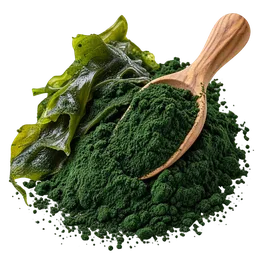
Algae and phytoplankton are tiny, water-based organisms that manufacturers dry into powders, capsules, tablets, or liquid blends. This label does not identify a single active ingredient: the species, growing conditions, and extraction method can all change what ends up in the bottle. Research on one specific algae preparation does not automatically describe another.12
Bottom line
Skip unspecified algae or phytoplankton if you want a supplement with a clear, evidence-backed cardiovascular purpose. The human evidence is too small and product-specific to support a confident recommendation, and the label often leaves the most important question unanswered: exactly what organism are you taking?[^^1]2 Choose a clearly identified preparation only if its own human research matches your goal.
Co-studied with
 Magnesium6 shared
 Vitamind6 shared
 Vitamink4 shared
 Strontium4 shared
 Boron2 shared
 Vitaminc2 shared
Common questions
Does algae or phytoplankton support heart health?
What is the best dose of phytoplankton supplements?
Are algae and phytoplankton supplements the same thing?
Sources
Sources
Generated August 27, 2026