Artemisia
1 studies read · 0 answers · 1 sources
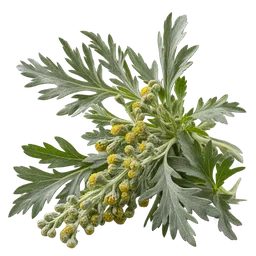
Artemisia does not have reliable evidence for a clear immune benefit in people seeking supplementation; available evidence is too limited to establish a predictable result or dose.
How to take it
Artemisia is a poor pick if you want a proven immune supplement with a clear dose and predictable result. It is more appropriate for people who understand the species-specific uncertainty and can discuss use with a clinician, especially if they take medications or use several herbal products. The moderate interaction flag is another reason to be cautious.
How much
There is not enough human evidence to establish a reliable Artemisia dose for immune support. Do not treat doses from one Artemisia species or extract as interchangeable with another, because their active compounds can differ sharply.1
When
No well-established timing routine exists for Artemisia supplements in immune support. Follow the product label and avoid building a daily protocol around occasional or poorly defined use until stronger human trials identify a specific species, extract, dose, and schedule.1
Which form
Choose products that name the full botanical species and plant part, such as Artemisia annua leaf or Artemisia absinthium aerial parts. A label that only says “Artemisia extract” leaves out the information needed to compare products or research. Standardization should identify the measured compound and its amount, rather than relying on a vague extract ratio.1
How it works
“Artemisia” sounds like one herb, but it is actually a whole botanical family. That detail matters more than most labels let on.
Artemisia is a genus of aromatic plants that includes sweet wormwood, wormwood, mugwort, and many other species. Supplements can use leaves, aerial parts, or concentrated extracts, so two products labeled Artemisia can be chemically very different. The species name is your starting point, not fine print.1
Artemisia plants contain bitter aromatic compounds and plant chemicals that researchers are studying for effects on immune-cell signaling.1 Think of immune signaling as a group chat: these compounds may change which messages cells send, but the available human research does not yet show that this translates into a dependable real-world benefit.1