Asafetida
2 studies read · 1 answers · 1 sources
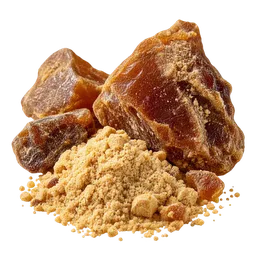
Asafetida shows a large effect for easing post-meal indigestion in people with functional dyspepsia, but the finding needs confirmation before routine use.
What it does
Worth watching
-
Fewer indigestion symptoms · May help a lot
Discomfort around meals can make eating less pleasant and linger after the meal is over.
1 review · 43 people
How to take it
Asafetida is worth watching if post-meal heaviness or upper-abdominal discomfort is your main concern and you want to try a product that matches the studied formulation. The signal is large but early, with only one small controlled trial behind it.1 Skip the hype, and seek medical care for persistent, severe, or unexplained digestive symptoms.
How much
The only consumer-relevant controlled trial for post-meal indigestion used a specific encapsulated asafoetida formulation on a regular daily schedule for several weeks, rather than culinary amounts sprinkled into food.1 Because this result comes from one small study, use the outcome-specific schedule shown alongside this guidance as context, not as a proven universal dose for every asafetida product.1
When
The study tested consistent daily use over time, so the evidence does not support treating asafetida as an occasional rescue capsule after an unusually large meal.1 Pairing a scheduled dose with a routine meal can make consistency easier, but the trial does not establish that a particular meal or time of day produces better results.1
Which form
The clinical evidence belongs to Asafin, a named encapsulated asafoetida formulation, rather than to generic spice powder or a broad digestive blend.1 Look for a label that clearly identifies asafoetida or Ferula resin or extract and states the amount per serving. No clinical evidence yet shows that household cooking asafetida delivers the same result.1
How it works
A spice with an unmistakable smell has one early clinical signal for the uncomfortable, heavy feeling that can follow a meal.1
Asafetida is a dried gum resin collected from Ferula plants and used in South Asian and Middle Eastern cooking. Its sulfur-rich aroma fades into a savory onion-like flavor when cooked, while supplement makers package the resin or an extract in capsules.1
Researchers are investigating whether asafetida changes signaling in the digestive tract, including the muscle activity that moves food along and the nerve signals that register discomfort. Think of it like adjusting the squeeze and sensitivity of a conveyor belt after a meal, rather than simply covering up symptoms. The clinical trial showed symptom improvement, but it did not prove which of these body processes caused it.1