Astragalus
6 studies read · 0 answers · 2 sources
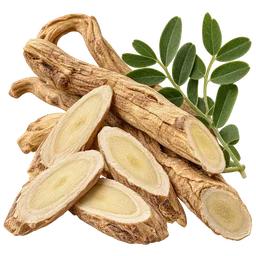
Astragalus does not show a strong, consistent benefit across immune, inflammation, or daily-function outcomes because human evidence remains limited and uneven.
How to take it
Astragalus fits someone who understands that the evidence is early and wants to try a traditional root supplement with modest expectations. It is not a strong pick if you want a proven way to prevent illness, reduce inflammation, or improve day-to-day function. Skip self-treatment during pregnancy, and get clinician guidance before use if you take prescription medicines, especially immune-related or blood-pressure medicines.2
How much
The human research does not support one evidence-based consumer dose because studies use very different root powders, injectable preparations, multi-herb formulas, and extracts.1 Do not treat a milligram number from one astragalus product as interchangeable with another. If you choose to try it, follow a product-specific label and judge it as a daily experiment with a clear goal, not as a high-dose shortcut.
When
Astragalus is generally used consistently rather than as an occasional, same-day immune boost. Human studies do not establish that morning versus evening use changes results, and they do not provide a dependable rule for taking it with or without food.1 Taking it with a meal is a practical option if it causes nausea or stomach discomfort, which has been reported with use.2
Which form
Look for the botanical name Astragalus membranaceus and the plant part, usually root, rather than a vague proprietary blend. Labels sometimes list astragalosides or polysaccharides, but there is no validated standardization marker that guarantees the outcome you want because human research has not tested one consistent extract across goals.1 Avoid assuming that traditional root tea, powdered root, and concentrated extracts deliver equivalent amounts of active compounds.
Who should be careful
Medicines it can clash with
- doxorubicin major
- tacrolimus major
- alteplase moderate
- apatinib mesylate moderate
- ACE inhibitors moderate
- metformin moderate
- cisplatin moderate
Reported side effects
- gastric ulcer severe
- embryotoxicity severe
- Hypotension mild
- Sinus bradycardia mild
- Nausea mild
- Dizziness mild
- Cough mild
- pyrexia mild
Bottles worth buying
Dosed where the research is, in a clean formula, from audited brands. Not sponsored.
-

Astragalus 550 mg
Solaray · 550 mg a day · brand audit 76
-

Bitters & Ginger Alcohol-Free
Nature's Answer · 210 mg a day · brand audit 75
-

UpSorb
NutraBio · 100 mg a day · brand audit 90
-

Astragalus 500 mg
The Vitamin Shoppe · 500 mg a day · brand audit 69
-

Astragalus Root 470 mg
Swanson · 470 mg a day · brand audit 69
-

Astragalus Extract 250 mg
Puritan's Pride · 500 mg a day · brand audit 68
How it works
Astragalus has a huge reputation for immune support. The surprising part is that its human evidence remains much smaller and messier than its long traditional history suggests.1
Astragalus usually refers to the dried root of Astragalus membranaceus or closely related Astragalus species. It has been used for centuries in East Asian herbal practice, where the root is simmered in teas, soups, and multi-herb formulas. Modern capsules and powders often contain a concentrated root extract rather than the whole food-like root.1
Astragalus contains complex sugars called polysaccharides, plus saponins and flavonoids, that interact with immune-cell signaling and inflammatory pathways in laboratory research.1 Think of it less like an immune on-switch and more like a dispatcher changing which messages immune cells pass along. That biology is interesting, but the limited and varied human trials do not yet show a clear, dependable outcome for most people.1