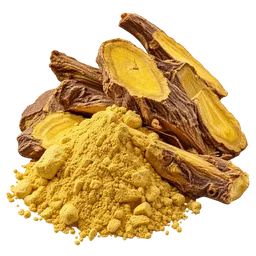
Baicalin
What the trials found
Baicalin does not yet have enough human evidence to establish a dependable benefit for mood or quality of life, or a reliable dose.
- 1 papers
- 0 of 3 outcomes
- 3 severe
Dose, timing & forms
How much
There is no established baicalin dose for mood or quality of life. The reviewed human evidence is limited to one paper, which is not enough to identify a reliable target dose or duration for self-use.2 Follow the product label rather than treating a research dose as a proven recommendation.
When and how long
Human evidence does not establish a best time of day, meal pairing, or split-dose schedule for baicalin. Use a consistent routine if you choose to take it, and avoid assuming that occasional use produces a mood-related effect.2
Forms & standardisation
Look closely at whether a label lists isolated baicalin or a Chinese skullcap extract. They are not interchangeable, because a whole-plant extract contains other flavonoids alongside baicalin.1 No baicalin standardization level currently has enough human mood or quality-of-life research to count as the best-studied choice.2
Adverse events and drug interactions
Safety events
What this is and how it works
- One human paper assessed mood and quality of life, but no reliable pooled effect or MCID comparison is available.2
- The reviewed evidence spans one paper and three outcomes, limiting conclusions about products, doses, and populations.
- Baicalin human evidence remains too limited to separate ingredient effects from formulation or clinical-context effects.2
Baicalin is a flavonoid, a naturally occurring plant chemical, concentrated in the roots of Chinese skullcap (Scutellaria baicalensis). It is not the whole herb. Think of it as one ingredient in the plant's larger chemical recipe.1
In laboratory research, baicalin influences inflammatory signaling and brain chemical messenger systems, including pathways that help nerve cells respond to stress. Picture it as adjusting a mixing board rather than pressing a single mood button: several signals shift at once, but human trials have not yet shown that this translates into a dependable mood or quality-of-life result.12
Bottom line
Baicalin is a reasonable topic for curiosity, not a first-choice supplement for mood or quality of life. One human paper cannot establish a dependable benefit, dose, or ideal product form.2 Skip self-experimenting if you have a serious medical condition or are managing symptoms that need clinical care.
Common questions
What is baicalin used for?
Is baicalin the same as Chinese skullcap?
Does baicalin improve mood?
Sources
Sources
Generated August 27, 2026