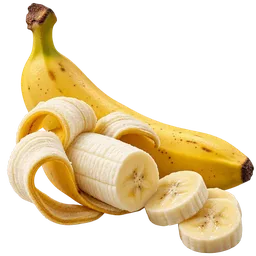
Banana
What the trials found
Bananas do not have established clinical benefits for preventing muscle cramps or supporting kidney health, although they provide dietary carbohydrate and potassium.
- 2 papers
- 0 of 2 outcomes
Dose, timing & forms
How much
There is no evidence-based supplement dose for banana. The clinical evidence reviewed for muscle function and urinary or kidney outcomes is too limited to establish a specific amount, duration, or target outcome. Use bananas as food, not as a proven intervention for cramps, performance, or kidney health.
When and how long
Choose timing based on comfort and your meal plan, rather than expecting a special timing effect. Before activity, a banana can serve as a convenient carbohydrate-containing snack, but clinical research does not establish a precise pre-exercise schedule or a cramp-prevention protocol.2
Forms & standardisation
Whole banana is the relevant form here. Banana chips, dried banana, smoothies, and powders differ substantially in portion size, added sugar, fiber, and carbohydrate concentration, so they should not be treated as interchangeable. If potassium intake matters to you, check the Nutrition Facts label or food nutrient listing rather than relying on a general claim about bananas.12
What this is and how it works
- Two reviewed papers spanning two outcomes provide no pooled effect estimate or MCID comparison for banana benefits.1
- Evidence reviewed here covers bananas as a food, not a standardized supplement dose or defined clinical population.12
- Potassium content matters for people limiting potassium, who should seek individualized dietary guidance.1
Its most relevant nutrient is potassium, a mineral that helps your cells manage electrical signals. Think of it as part of the wiring that lets nerves send a message and muscles respond, rather than a switch that instantly shuts off cramps.1 The fruit's carbohydrate also provides fuel, while potassium contributes to normal fluid balance and muscle contraction.12
Bottom line
Choose bananas when you want a portable carbohydrate-containing food that also provides potassium.12 Do not count on them to prevent cramps or to support kidney health, because the available clinical evidence does not establish those benefits. People instructed to limit potassium should ask a clinician or dietitian how bananas fit their eating plan.1
Common questions
Do bananas prevent muscle cramps?
Is a banana good before exercise?
Are bananas high in potassium?
Sources
Sources
Generated August 27, 2026