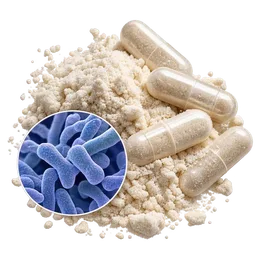
Bifidobacterium adolescentis
What the trials found
Bifidobacterium adolescentis does not yet have a proven, noticeable benefit for any specific health outcome, because human supplementation evidence remains too limited for firm conclusions.
- 2 papers
- 0 of 4 outcomes
Dose, timing & forms
How much
There is no well-established general dose for Bifidobacterium adolescentis because the human evidence base is still very small and strain-specific.2 Do not assume that a higher colony-forming-unit number produces a better result. Until stronger trials identify a repeatable protocol, follow the exact strain and serving instructions used by the manufacturer rather than chasing a universal dose.
When and how long
Research does not yet establish a best time of day, meal relationship, or split-dose schedule for Bifidobacterium adolescentis.2 If you choose to try a product, take it consistently according to its label and change only one gut-focused supplement at a time. That makes it easier to spot whether digestive comfort or bowel habits change.
Forms & standardisation
Look for a full strain designation after the species name, not simply “Bifidobacterium adolescentis.” Species-level labels hide meaningful differences, since probiotic effects depend on the specific bacterial strain studied.2 Choose a product that states its live count through the end of shelf life and gives clear storage instructions.
Adverse events and drug interactions
Safety events
What this is and how it works
- Two human papers did not establish a reliable, clinically noticeable effect for any specific outcome.2
- The reviewed evidence spans two papers and four outcomes, without a clearly supported consumer-facing benefit.
- Findings remain limited to human supplementation research and do not justify aggressive dosing or broad health claims.
Bifidobacterium adolescentis is a naturally occurring species of Bifidobacterium, a group of bacteria that tends to thrive in the large intestine after childhood. It feeds on parts of plant foods that you do not fully digest, then turns them into smaller compounds that other gut microbes and intestinal cells can use. Commercial products need to identify the exact strain, not only the species name.
B. adolescentis breaks down fermentable carbohydrates and produces compounds such as acetate and lactate. Think of it as a kitchen prep worker: it chops up fiber into ingredients that other microbes can finish cooking into substances that shape the gut environment.1 Human supplementation research remains small, so that biological role does not establish a dependable consumer benefit from a supplement.2
Bottom line
Bifidobacterium adolescentis makes sense for people interested in the science of the gut microbiome, but it is not yet a well-proven stand-alone supplement for a specific outcome. The limited human evidence does not justify big promises or aggressive dosing. Skip self-experimenting and get clinical advice first if you have ongoing digestive symptoms, unusual stool changes, or concerns about low blood sugar.
Common questions
What is Bifidobacterium adolescentis?
Does Bifidobacterium adolescentis improve gut health?
How long does it take for probiotic supplements to work?
Who should be cautious with Bifidobacterium adolescentis?
Sources
Sources
Generated August 27, 2026