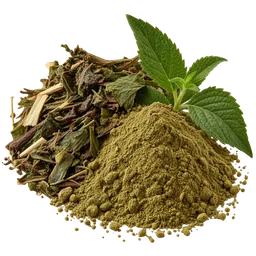
Botanical
What the trials found
Botanical (unspecified) does not support a reliable conclusion about health outcomes because the plant, extract, dose, and studied population are unidentified.
- 3 papers
- 0 of 17 outcomes
- 3 major interactions
Risk, worst reported severity
- rash moderate
- Flu-like symptoms (headache, lethargy, joint pain) mild
- antineoplastic agents contraindicated
- paclitaxel major
Dose, timing & forms
How much
There is no responsible general dose range for an unspecified botanical. The reviewed evidence spans consumer-facing claims in cardiovascular, metabolic, inflammation, quality-of-life, and weight-management areas, but a label without an identified plant and preparation cannot be matched to those trial protocols. 1 Wait until you can identify the exact ingredient before using dose guidance from research.
When and how long
Timing depends on the named plant, its extract, and the goal studied. Do not assume that a tea, capsule, tincture, or concentrated extract follows the same schedule, even when they share a botanical name. 1 Use the product label only after confirming that it clearly identifies the plant and preparation.
Forms & standardisation
Look for the plant's common and Latin name, the plant part used, the extraction method or ratio, and any standardized active compounds. Those details are the bridge between a bottle and a clinical trial. Without them, the form cannot be verified against a studied product. 1
Adverse events and drug interactions
Safety events
Drug interactions
What this is and how it works
- No quantitative effect estimate or MCID comparison is available for the 17 outcomes reviewed here.1
- Three papers reviewed here span 17 outcomes without identifying a botanical, preparation, or dose.
“Botanical” simply means an ingredient that comes from a plant. But this label does not identify the plant, the part used, or how it was prepared, which makes it impossible to tie the product to a specific evidence base. A root powder, leaf tea, concentrated extract, and essential oil from the same plant can act like entirely different products.
No single mechanism fits an unspecified botanical. Plant compounds work through specific biological targets, but the plant identity and preparation determine which compounds are present, much like knowing something is a key tells you nothing until you know which lock it fits. 1
Bottom line
Skip the guesswork here. An unidentified botanical is not a usable evidence category, because you cannot verify its dose, mechanism, expected effect, or interaction risk. Choose products that name the plant and preparation clearly, especially if you take prescription medicines.
Co-studied with
Common questions
What does “botanical unspecified” mean on a supplement label?
Can you choose a dose for an unspecified botanical?
What should you check before taking a botanical supplement?
Sources
Sources
Generated August 27, 2026