Branched Chain Amino Acids
2 studies read · 5 answers · 2 sources
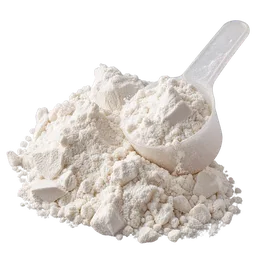
Branched-chain amino acids probably don't help healthy adults work longer before fatigue, and the broader evidence does not support better sustained exercise performance.
What it does
Worth watching
-
Better exercise recovery · May help a lot
Exercise recovery matters for feeling ready to train again and return to regular activities after a workout.
3 trials · at least 124 people · 1 review · noticed in <1–8 weeks
Early findings (4)
-
More muscle strength · Unclear if it helps
8 trials · 317 people · noticed in 1–26 weeks
-
Better arm and hand function · Unclear if it helps
6 trials · 285 people · noticed in 1–26 weeks
-
More muscle growth · Unclear if it helps
1 trial · at least 15 people · 1 review · noticed in 3–26 weeks
-
Better endurance performance · Unclear if it helps
1 trial · at least 11 people · 1 review · noticed in <1–24 weeks
How to take it
How much
There is no evidence-grounded BCAA dose to recommend for improving sustained exercise output. The reviewed endurance evidence found no meaningful benefit, so increasing the dose is not a sensible workaround for fatigue during long workouts.2 If you choose to use BCAAs for another personal reason, do not treat them as a replacement for adequate total protein from food or a complete protein supplement.1
When
No before, during, or after-workout schedule has established a useful endurance effect. The practical takeaway is simple: do not build your training nutrition around BCAA timing when your goal is to sustain output longer.2 Prioritize the basics that match the workout, including enough food, fluids, and complete protein across the day.
Which form
Most BCAA products supply free-form leucine, isoleucine, and valine, often in a 2:1:1 ratio. That ratio does not solve the central limitation: BCAAs alone lack the full set of essential amino acids required for maximal muscle-protein building.1 A complete protein source provides a more complete set of raw materials than an isolated BCAA blend.1
Who should be careful
Reported side effects
- nausea
- vomiting
- diarrhoea
- abdominal pain
- abdominal distension
- hypertension
How it works
BCAAs have workout-culture hype behind them. For lasting longer during exercise, the reviewed evidence does not back that promise.2
Branched chain amino acids, usually called BCAAs, are leucine, isoleucine, and valine. They are essential amino acids, which means you get them from food or supplements because your body cannot make them. Complete protein foods already contain all three, along with the other essential building blocks your muscles need.1
BCAAs enter muscle and take part in the signals that switch on muscle-protein building, with leucine acting like a key that turns on the construction crew.1 They also compete with tryptophan for transport into the brain, a proposed route for influencing perceived fatigue, but the available exercise evidence does not show a meaningful endurance payoff.2