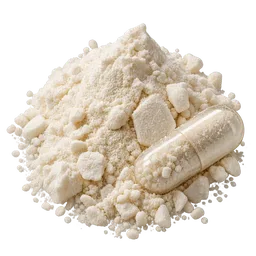
Calcium Ascorbate
Best for
Get fewer common infections
Proven modest benefit 0.05–4 g/day 14 weeks 4 meta-analyses, n=36.9k #1 of 13 studied
- 63 papers
- 2 of 115 outcomes
- 1 positive
Calcium ascorbate provides a proven modest benefit for preventing colds and respiratory infections, while evidence for easing symptoms after illness begins remains less convincing.
Risk, worst reported severity
- epigastric adverse events mild
- indigestion mild
What calcium ascorbate actually does
| Outcome | Effect | Evidence | Dose | Time | Rank |
|---|---|---|---|---|---|
| Modest benefits 1 | |||||
| Get fewer common infections Proven modest benefit A respiratory, skin, or soft-tissue infection can interrupt work, school, and daily routines. | | 4 meta-analyses 4 papers · n=37k | 0.05–4 g | 14 wk | #1 /13 |
| Early research 1 | |||||
| Feel less sick with a cold Not enough research Cold symptoms such as cough, congestion, and fever can make ordinary days harder. | | 4 meta-analyses 5 papers · n=834 | 0.2–8 g | 1 wk | — |
Effect tiers come from native-unit MCID where available, Cohen's d otherwise.
Dose, timing & forms
How much
Cold-prevention trials have tested vitamin C across a very wide span, from small daily amounts up to multi-gram doses, so more is not automatically better. The strongest practical takeaway comes from regular use before illness exposure, where the observed reduction in cold risk stays small. 1 Avoid chasing very high doses for a bigger payoff, because the current evidence does not show a dramatic preventive effect. 1
When and how long
For cold prevention, consistency matters more than a precise clock time. Trials that tested prevention used vitamin C regularly, while studies that started it after cold symptoms began did not establish a meaningful symptom advantage. 1 Take it at a time you can repeat daily, and consider taking it with food if it bothers your stomach.
Forms & standardisation
Choose a product that clearly lists the amount of vitamin C per serving, since the cold research evaluates vitamin C intake rather than a proven advantage of calcium ascorbate over other forms. 1 Calcium ascorbate offers a buffered vitamin C format, but no clinical result establishes that this form prevents colds better than standard vitamin C products. 1
Adverse events and drug interactions
Safety events
What this is and how it works
- Across 4 studies (n=36,857), calcium ascorbate improved cold and respiratory-infection prevention outcomes, with no reported MCID comparison 1.
- The review covers 63 papers spanning 115 outcomes, with strongest evidence concentrated on cold prevention.
- Evidence for reducing symptoms after a cold starts is less convincing than evidence for prevention 1.
Calcium ascorbate combines vitamin C with calcium in a buffered mineral salt. Your body uses the ascorbate portion as vitamin C, an essential nutrient that food and supplements supply because humans cannot make it themselves. 3
Bottom line
Calcium ascorbate suits someone who wants a modest, consistent vitamin C option for cold prevention and has realistic expectations. It does not deliver a strong symptom-rescue effect after a cold starts, and it is a poor fit for anyone expecting a dramatic immune boost. 1 Mild indigestion or upper-stomach discomfort can occur, so stop treating dose escalation as a solution if it upsets your stomach.
Common questions
Does calcium ascorbate help prevent colds?
Is calcium ascorbate better than regular vitamin C?
Should you take calcium ascorbate after a cold starts?
Sources
Sources
Generated August 27, 2026