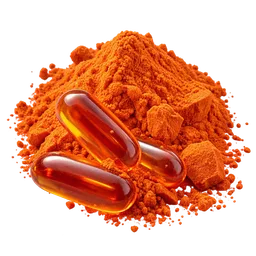
Carotene
What the trials found
Unspecified carotene supplements have no established overall benefit across health outcomes because evidence is limited, form-specific, and includes important population-specific safety concerns.
- 5 papers
- 0 of 4 outcomes
Dose, timing & forms
How much
There is no evidence-based general dose for a supplement labeled only “carotene.” The landmark eye trial used beta-carotene within a multi-nutrient formula, not as a stand-alone carotene test, so its protocol does not establish a solo carotene target.1 High-dose beta-carotene deserves particular caution because a large smoker trial found harm rather than benefit.2
When and how long
Carotenes are fat-soluble, so taking a carotene-containing food or product with a meal that contains some dietary fat fits how the body absorbs these pigments.3 More importantly, use should be consistent with the exact studied formula when one exists, rather than treating carotene as an occasional antioxidant add-on.1
Forms & standardisation
“Carotene” is too vague to tell you what a product actually contains. Look for the named compound, such as beta-carotene, plus its amount and whether it appears in a broader formula. The major eye trial studied beta-carotene alongside vitamins C and E and zinc, not an unspecified carotene extract.1
What this is and how it works
- Five reviewed papers spanning four outcomes provide no pooled effect size or reliable threshold comparison for noticeable benefit.
- Evidence covers carotenoid biology, antioxidant combinations, and high-dose beta-carotene supplementation rather than one standardized carotene product.3
- High-dose beta-carotene increased lung-cancer incidence among male smokers in a major trial.2
Carotenes are fat-soluble pigments that plants make, especially in orange, red, and dark-green produce. Beta-carotene is the best-known member because your body can convert some of it into vitamin A, while other carotene forms follow different routes.3
Carotenes can absorb and defuse some highly reactive oxygen molecules before they damage nearby fats and cell structures. Think of them as a spark catcher in oily parts of a cell, although that chemistry alone does not guarantee a supplement changes health outcomes.3
Bottom line
Food-first carotene makes more sense for most people: colorful produce delivers these pigments in a package that trials of isolated supplements do not recreate. An unspecified carotene supplement is hard to judge because the form and dose matter. People who smoke should avoid high-dose beta-carotene supplements because a major trial showed increased lung cancer incidence.2
Common questions
Is carotene the same as beta-carotene?
Should you take a carotene supplement for eye health?
Why should smokers avoid beta-carotene supplements?
Sources
Sources
- 1. A randomized, placebo-controlled, clinical trial of high-dose supplementation with vitamins C and E, beta carotene, and zinc for age-related macular degeneration and vision loss: AREDS report no. 8 (2001) ↑
- 2. The effect of vitamin E and beta carotene on the incidence of lung cancer and other cancers in male smokers (1994) ↑
- 3. Carotenoid actions and their relation to health and disease (2006) ↑
Generated August 27, 2026