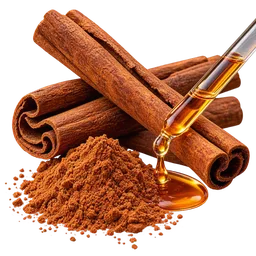
Cinnamaldehyde
What the trials found
Cinnamaldehyde does not yet have dependable benefits for blood sugar, heart health, pain, or dental outcomes because human clinical evidence remains sparse.
- 2 papers
- 0 of 7 outcomes
Dose, timing & forms
How much
There is no well-established oral cinnamaldehyde dose for a consumer health goal. The reviewed human evidence is too limited to identify a dose that reliably supports blood sugar, cardiovascular measures, pain, or oral health, so it would be misleading to present a standard daily target.1 Do not borrow a dose from cinnamon powder, cinnamon extract, or cinnamon oil studies, because those products contain different mixtures and can deliver very different amounts of cinnamaldehyde.1
When and how long
No clinical protocol establishes an ideal time of day, meal timing, or split-dose schedule for isolated cinnamaldehyde. Until stronger human trials define a useful regimen, daily timing advice would be guesswork rather than evidence-based guidance.1 If a product causes mouth, stomach, or skin irritation, stop using it and discuss persistent symptoms with a clinician.
Forms & standardisation
Look closely at the label. Cinnamon spice, cinnamon bark extract, cinnamon essential oil, and isolated cinnamaldehyde are different products, and results from one cannot stand in for another.1 A product that lists cinnamaldehyde should state the amount per serving and the source material, rather than relying on vague claims about cinnamon oil. Essential oils are highly concentrated and are not interchangeable with food use.
What this is and how it works
- Human clinical records provide no reliable pooled effect estimate for cinnamaldehyde across the main health outcomes.1
- Two papers reviewed here span seven outcomes, including metabolic, inflammatory, pain, cardiovascular, and dental concerns.
- Evidence remains preliminary, with limited human research and no established standalone supplement dose.
Cinnamaldehyde is a naturally occurring aromatic compound concentrated in cinnamon bark oil, especially cassia-type cinnamon. It is not the same thing as cinnamon powder or a full-spectrum cinnamon extract, which bring along many other plant chemicals.1
In laboratory research, cinnamaldehyde interacts with chemical sensors that detect heat and irritation, including the TRPA1 channel. Think of TRPA1 as a tiny smoke alarm on nerve cells: cinnamaldehyde can ring it, which helps explain its spicy sensation and why researchers are studying effects on pain signaling, blood vessels, and inflammation.2 Human trials have not yet established that these biological actions translate into dependable health outcomes.1
Bottom line
Cinnamaldehyde is interesting chemistry, not a proven standalone supplement. People looking for support with blood sugar, heart health, pain, or dental concerns should not expect dependable results from it yet, because human trials remain sparse.1 Skip self-directed high-dose or essential-oil use, especially if you react to cinnamon or have ongoing symptoms that need medical evaluation.
Common questions
What is cinnamaldehyde used for?
Is cinnamaldehyde the same as cinnamon?
Should you take cinnamaldehyde for blood sugar?
Sources
Sources
Generated August 27, 2026