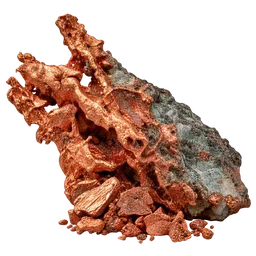
Copper
What the trials found
Copper supplementation does not offer a clear general-health advantage; benefits are most relevant when deficiency, poor absorption, or another specific clinical need is identified.
- 6 papers
- 0 of 11 outcomes
- 3 severe, 3 major interactions
Risk, worst reported severity
- intracranial hemorrhage (hospitalization) severe
- suspected cerebral infarction (hospitalization) severe
- lovastatin major
- roxadustat major
Dose, timing & forms
How much
The reviewed evidence does not establish a reliable supplement dose for improving bone, heart, mood, pain, liver, or digestive outcomes in people with normal copper status. For adults, the recommended dietary allowance is 900 mcg per day, a target that food commonly covers.1 Treat higher-dose copper as a clinician-guided correction for documented deficiency, not a general wellness upgrade.1
When and how long
Copper does not need a special time of day for general nutrition. Consistency matters more than clock time if a clinician directs you to take it, and taking it with a meal often makes the routine easier to tolerate. Keep the product directions and medication plan in view because copper can interact with medicines.1
Forms & standardisation
Look for the amount of elemental copper on the Supplement Facts panel, not just the total weight of the compound. The evidence does not identify one supplemental form as clearly superior for general health outcomes. A food-first approach is usually more useful than chasing a particular copper form when you do not have diagnosed deficiency.1
Adverse events and drug interactions
Safety events
Drug interactions
What this is and how it works
- Across 6 reviewed papers, no quantitative effect estimate establishes a noticeable benefit for general health outcomes.1
- The evidence reviewed here spans 6 papers and 11 outcomes, covering copper’s nutritional and clinical roles.1
- Supplemental copper is most relevant for identified deficiency or impaired absorption, while excess intake can create interaction risks.1
Copper is an essential trace mineral. You get it from foods such as shellfish, nuts, seeds, beans, whole grains, and cocoa, then your body absorbs and moves it to enzymes that need it.1 Most people meet their needs through food, so a copper pill makes the most sense when a clinician identifies a real reason to use one.1
Copper acts as a working part inside several enzymes, including proteins involved in energy production, iron transport, and antioxidant defense.1 Think of it like a specialized wrench in a repair kit: without it, a few crucial jobs stop even though the rest of the kit is still there. Copper also helps ceruloplasmin handle iron transport, which explains why severe deficiency can disrupt red blood cell production.1
Bottom line
Copper is essential nutrition, not a proven all-purpose supplement. Consider supplemental copper only when a clinician identifies low status, a cause of poor absorption, or another specific need. Skip self-prescribing if you take prescription medicines or already eat a varied diet, since extra copper offers no clear general-health advantage and adds interaction risk.1
Common questions
Should you take a copper supplement every day?
What foods contain copper?
Can copper supplements affect medications?
Sources
Sources
Generated August 27, 2026