Dill
1 studies read · 0 answers · 1 sources
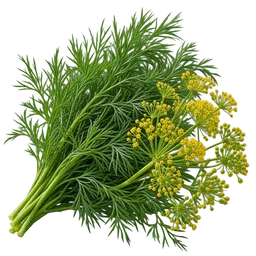
Dill seed has limited evidence for reducing primary menstrual pain in affected women, based on one small randomized trial rather than a well-established supplement benefit.
How to take it
Dill seed is interesting if menstrual pain is your goal, but the human evidence rests on one small trial. It is not a well-established pain supplement, and people with a dill allergy or unexplained adverse effects should avoid treating it like a casual fix. 1
How much
Current evidence does not establish a dependable dill dose for pain. One randomized trial evaluated dill seed for primary menstrual pain, but a single study cannot define a general dose range or show that the same approach works for other types of pain. 1
When
There is no evidence-based rule for when to take dill for pain. The single clinical trial does not provide enough confirmation to turn its schedule into general advice, especially for everyday culinary dill products. 1
Which form
The pain research used dill seed, not fresh dill leaves. That means the result does not automatically extend to dill tea, essential oil, or a supplement that simply lists “dill” without identifying the plant part. 1
Who should be careful
Reported side effects
- adverse effects (unspecified)
How it works
Dill does more than make potatoes taste brighter. One small clinical trial puts dill seed on the map for menstrual pain, but the evidence is still far too thin for big promises. 1
Dill is the feathery, fragrant herb you see in pickles, salads, and fish dishes. Supplements can use the plant's seeds rather than its fresh leaves, which matters because research findings from one form do not automatically apply to another.
Human research has not established how dill seed changes pain signals. The available trial measured menstrual pain, not a specific biological pathway, so a neat mechanism story would be guesswork rather than evidence. 1