Flavanones
1 studies read · 0 answers · 1 sources
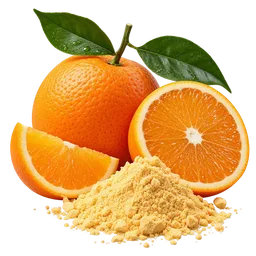
Flavanones do not have enough human evidence to establish a dependable gastrointestinal benefit across adults, and current findings cannot set realistic expectations for digestive outcomes.
How to take it
Flavanones make more sense as compounds you get from citrus foods than as a gastrointestinal supplement chosen for a proven outcome. Skip them if you want a dependable, evidence-based digestive result, since the current human evidence is far too thin to set realistic expectations.1
How much
A useful flavanone supplement range is not established. The current gastrointestinal evidence does not provide enough confirmation to turn one protocol into a general recommendation.1 Avoid assuming that a larger dose produces a better result.
When
No trial-backed schedule establishes whether flavanones work best in the morning, evening, with food, or away from food.1 If you choose to use a product, take it consistently as directed on its label rather than chasing a precise timing strategy.
Which form
No flavanone extract form has enough gastrointestinal trial coverage to earn a clear first-place recommendation.1 Be wary of labels that highlight a large citrus-extract number without clearly naming the flavanones included and their amounts.
How it works
Flavanones sound niche, but they are part of what gives citrus its nutritional reputation. The catch is that supplement claims have raced ahead of the human evidence.
Flavanones are naturally occurring plant compounds found especially in citrus fruits. Supplements can isolate or concentrate these compounds, but a capsule is not automatically equivalent to eating citrus as part of a normal diet.
A clear human mechanism for gastrointestinal benefits is not established from the current evidence. Think of flavanones as ingredients with a plausible biological story, but not yet a proven set of instructions for changing how your gut feels or functions.1