Flavones
What the trials found
Flavones do not have enough human evidence to support a reliable benefit for any specific health outcome, because available evidence does not establish a consistent supplement effect.
- 1 papers
- 0 of 6 outcomes
Dose, timing & forms
How much
No general dose range stands on solid clinical evidence for flavones as a whole. A meaningful protocol needs to name the exact flavone, the amount, the extract source, and the goal being studied. Until those details exist, do not treat a broad “flavones” amount on a label as an evidence-based daily target.
When and how long
No consistent timing routine is established for flavones as a category. Taking a product at breakfast, before bed, or around exercise does not have a clear clinical basis unless the label identifies a specific flavone with a tested protocol. Use the product directions and avoid stacking several poorly defined botanical extracts at once.
Forms & standardisation
Look for the named compound rather than a vague total-flavones number. A useful label identifies the source plant and the specific flavone, such as apigenin or luteolin, because absorption and biological activity vary across this family.1 Avoid assuming that a food-derived blend and an isolated, high-dose extract are interchangeable.
What this is and how it works
- No participant total or quantitative effect estimate is available for flavone supplementation across six reported outcomes 1.
- One paper reviewed here spans six outcomes and discusses food sources, absorption, metabolism, and biological activity.
- Flavones comprise diverse plant compounds, so findings for one flavone cannot reliably represent every flavone product.
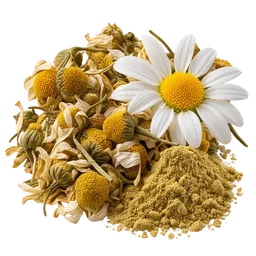
Flavones are naturally occurring compounds in plants, especially herbs, vegetables, tea, and citrus. Apigenin and luteolin are two familiar examples, but they differ in where they come from, how your body processes them, and what researchers test.1
There is no single flavone mechanism to point to because flavones are a chemical family, not one active ingredient. Think of “flavones” like calling every tool in a toolbox a hammer: individual compounds can interact with different body signals, so grouping them together hides the details that determine whether a supplement does anything useful.1
Bottom line
Flavones are more useful as a food-compound category than as a clear supplement recommendation right now. Skip broad flavone products if you want a proven benefit, a reliable dose, or a predictable timing plan. Choose foods rich in these compounds if you enjoy them, but do not expect a catch-all flavone supplement to deliver a specific result.
Common questions
What are flavones?
What are flavone supplements used for?
What dose of flavones should you take?
Sources
Sources
Generated August 27, 2026