Glycyrrhizin
What the trials found
Glycyrrhizin has its clearest human evidence in salt, water, and stress-hormone handling, while evidence does not establish meaningful everyday benefits for body composition, cardiovascular health, inflammation, or quality of life.
- 3 papers
- 0 of 12 outcomes
Dose, timing & forms
How much
A dependable general dose range does not emerge from the limited human research on consumer outcomes. Do not treat the amount in licorice candy, tea, or a mixed herbal product as a tested supplement protocol, since glycyrrhizin exposure varies widely among products.1 The more important question is the actual glycyrrhizin content and whether regular use fits your health situation.12
When and how long
There is no evidence-based time of day that turns glycyrrhizin into a reliably effective daily wellness supplement. Taking it with food does not remove its effect on the kidney enzyme that controls mineral balance.12 Avoid treating it as an occasional flavor ingredient if you are actually using a concentrated licorice extract, because repeated exposure is the relevant concern.1
Forms & standardisation
Read the label for “glycyrrhizin,” “glycyrrhizic acid,” or a stated licorice-root extract ratio, not just the word “licorice.”1 If you specifically want DGL, confirm that the product says deglycyrrhizinated licorice, since it is a meaningfully different preparation with most glycyrrhizin removed.1 Avoid assuming that a proprietary herbal blend provides a predictable glycyrrhizin amount.
What this is and how it works
- Human evidence identifies mineral-balance effects, including potassium loss and blood-pressure elevation, rather than a quantified consumer benefit.2
- Three papers reviewed here span 12 outcomes, with evidence concentrated on licorice-related safety and physiology.1
- Concentrated glycyrrhizin exposure can disrupt fluid and mineral balance, especially with sustained intake.1
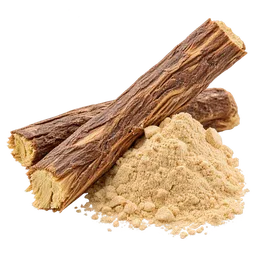
Glycyrrhizin is a plant compound found in licorice root, especially in extracts made from Glycyrrhiza glabra and related species. It tastes far sweeter than sugar, which explains why licorice extracts show up in teas, candies, and supplements.1 DGL licorice is different because manufacturers remove most of the glycyrrhizin.1
Glycyrrhizin breaks down into glycyrrhetinic acid, which blocks an enzyme that normally stops cortisol from acting like a salt-retaining hormone in the kidneys.12 Think of that enzyme as a bouncer at the kidney's salt-control door. When glycyrrhizin sidelines it, cortisol gets through and tells the body to hold onto more sodium and water while losing potassium.2
Bottom line
Glycyrrhizin is more interesting as a biologically active licorice compound than as a well-proven supplement for everyday goals. The small human evidence base does not establish a compelling reason to take it for body composition, cardiovascular support, inflammation, or quality of life. Skip casual concentrated use if you want a low-maintenance supplement, and take its mineral-balance effects seriously.12
Common questions
What is glycyrrhizin?
Is glycyrrhizin the same as DGL licorice?
Does glycyrrhizin have a proven daily supplement dose?
Sources
Sources
Generated August 27, 2026