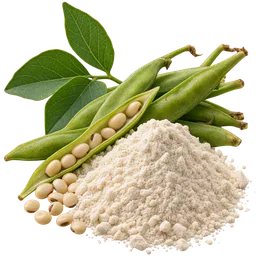
Guar
What the trials found
Guar does not have enough research to establish a cholesterol benefit, with available human evidence limited to one study and insufficient to judge effects across broader outcomes.
- 1 papers
- 1 of 4 outcomes
What guar actually does
High LDL cholesterol can build up in artery walls and raise the risk of heart disease. 32823643
| Outcome | Effect | Evidence | Dose | Time | Rank |
|---|---|---|---|---|---|
| Early research 1 | |||||
| Lower cholesterol Not enough research High LDL cholesterol can build up in artery walls and raise the risk of heart disease. | | 1 meta-analysis 1 papers · n=376 | — | — | — |
Effect tiers come from native-unit MCID where available, Cohen's d otherwise.
Dose, timing & forms
How much
There is not enough clinical evidence to define a reliable guar gum dose for cholesterol support. The available evidence summary includes only one study, so a number on a supplement label does not yet tell you what dose reliably changes cholesterol in everyday use.1
When and how long
No well-supported timing routine stands out from the available clinical evidence. Because guar gum absorbs water and can upset the stomach, take any product with plenty of fluid and avoid treating it as an occasional quick fix. The potential cholesterol effect, if confirmed, would depend on consistent use rather than a single serving.1
Forms & standardisation
Look for a product that clearly identifies guar gum or guar fiber and states the amount per serving. Do not assume that guar gum listed near the end of a food ingredient label delivers the same amount as a dedicated fiber supplement. Clinical evidence does not yet establish a preferred extract, purity marker, or form for cholesterol support.1
Adverse events and drug interactions
Safety events
What this is and how it works
- Across 1 study (n=376), guar did not establish a change in harmful cholesterol; no effect size or MCID comparison was reported.1
- One paper reviewed here spans 4 outcomes, with cholesterol evidence classified as early.
- A single early human paper limits conclusions about guar’s broader health effects.
Guar gum is a soluble fiber made from the seed of the guar plant, a legume grown mainly for its beans. You will often see it in foods as a thickener, but concentrated powders and capsules aim to deliver more of the water-holding fiber.1
In the gut, guar gum acts like a soft sponge gel that slows the movement of digested food and can hold onto bile acids, compounds your body uses to digest fat. Replacing those bile acids requires cholesterol, which gives the cholesterol idea a biologically sensible starting point, but the clinical evidence remains early.1
Bottom line
Guar gum is worth watching if you want another soluble-fiber option, but it is not a well-established cholesterol supplement. Skip it if thick fibers routinely trigger digestive symptoms, and be especially cautious if you experience nausea, vomiting, abdominal pain, diarrhea, or significant gas.
Common questions
Does guar gum lower cholesterol?
What is guar gum?
Can guar gum cause stomach problems?
Sources
Sources
- 1. Guar gum for diabetes mellitus (2000) ↑
Generated August 27, 2026