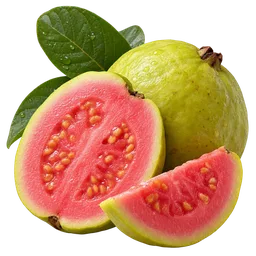
Guava
What the trials found
Guava leaf extract has insufficient human evidence to establish meaningful relief from primary menstrual cramps in affected women.
- 1 papers
- 0 of 1 outcomes
Risk, worst reported severity
- adverse effects (unspecified)
Dose, timing & forms
How much
The available evidence does not support a general guava dose range. One clinical trial tested a guava leaf extract for menstrual cramp pain, so its finding cannot set a reliable dose for guava fruit, tea, leaf powder, or other pain goals.1 Treat broad dose claims with caution until more human trials test them.
When and how long
The single clinical finding does not establish an ideal time of day, whether to take guava with food, or whether ongoing daily use matters.1 It focused on menstrual cramp pain, not everyday pain prevention. Follow the product label rather than assuming that occasional fruit intake or a cup of leaf tea matches the studied extract.1
Adverse events and drug interactions
Safety events
What this is and how it works
- One randomized clinical trial evaluated guava leaf extract for menstrual-cramp relief, but the available record does not establish effect size.1
- Guava evidence reviewed here covers one paper and one outcome, focused on primary dysmenorrhea rather than broad pain relief.1
- The trial does not establish a confident dose or provide enough adverse-effect detail for a clear safety picture.1
Guava is the tropical fruit many people eat fresh or drink as juice. Supplements usually use an extract from the leaves of the guava tree, which contain a different, more concentrated mix of plant compounds than the fruit.
The cramp trial showed a symptom change, but it did not prove exactly how guava leaf extract worked in the body.1 Researchers have explored whether leaf compounds affect the chemical signals that tell uterine muscle to tighten, like turning down an overactive squeeze command, but human mechanism evidence remains unsettled.1
Bottom line
Guava leaf extract looks worth watching if menstrual cramps are your specific goal, but the human evidence rests on one trial.1 It does not yet support using guava for broad pain relief or choosing a confident dose. Reported adverse effects lack enough detail for a clear safety picture, so people who use medicines or have health concerns should get individual guidance first.1
Common questions
What has guava leaf been studied for?
Can eating guava fruit ease menstrual cramps?
Is guava leaf extract safe?
Sources
Sources
Generated August 27, 2026