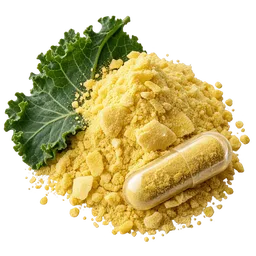
Kaempferol
What the trials found
Kaempferol does not have enough human evidence to establish meaningful benefits for energy, inflammation, exercise, sleep, or metabolic health as a standalone supplement.
- 3 papers
- 0 of 22 outcomes
Risk, worst reported severity
- dry eyes moderate
- stomatitis moderate
- fluorouracil moderate
- cisplatin moderate
Dose, timing & forms
How much
There is no well-established supplemental kaempferol range for a specific consumer goal. The human evidence base is still too small to turn experimental protocols into a dependable self-dosing recommendation, and stronger claims come largely from laboratory and preclinical work rather than replicated supplement trials.1
When and how long
No human trial pattern establishes whether kaempferol works best in the morning, evening, with food, or in split doses. Until better trials clarify absorption and tolerability, avoid treating timing tricks as evidence-based performance or wellness strategies.1
Forms & standardisation
Look closely at whether a product provides isolated kaempferol or a plant extract that merely lists kaempferol among many compounds. Those are not interchangeable products, and current research does not identify one standardized extract, glycoside form, or label potency as the best-supported choice for consumers.1 Food sources remain the most established way to consume kaempferol as part of a broader mix of plant compounds.1
Adverse events and drug interactions
Safety events
Drug interactions
What this is and how it works
- Across 3 reviewed papers, no quantified human effect or clinically meaningful threshold was established for leading outcomes.1
- The reviewed literature spans 22 outcomes, including pharmacological, anticancer, and dietary anti-inflammatory research.1
- Evidence remains largely preclinical, with supplement dose, formulation, and human safety insufficiently established.3
Kaempferol is a flavonoid, a plant pigment that helps plants handle sunlight and other stresses. You already get some through a varied plant-rich diet, while supplements isolate it into much larger, less food-like doses.1
Kaempferol interacts with cellular switches that regulate inflammatory messages and the cleanup of reactive molecules, the unstable chemical sparks produced during normal metabolism.1 Think of it as adjusting a building's smoke-sensor network, not simply spraying out every spark: it influences the alarms and response crews that decide how cells react.1 Most of that mechanism work comes from laboratory and preclinical research, so it does not establish a specific outcome from taking a capsule.1
Bottom line
Kaempferol is interesting if you are curious about plant compounds, but it is not a well-proven standalone supplement for energy, inflammation, exercise, sleep, or metabolic goals. Prioritize kaempferol-rich foods, and skip high-dose experimentation if you use medicines or want a supplement with clearer human results.1
Common questions
What is kaempferol used for?
Which foods contain kaempferol?
Is kaempferol worth taking as a supplement?
Is kaempferol an antioxidant?
Sources
Sources
Generated August 27, 2026